
Forward-looking: Are you the kind of person who hates having blood drawn? In a decision that could potentially make that phobia worse or better, the FDA has approved the use of a robotic device that can draw blood from a patient's arm – with no human assistance required.
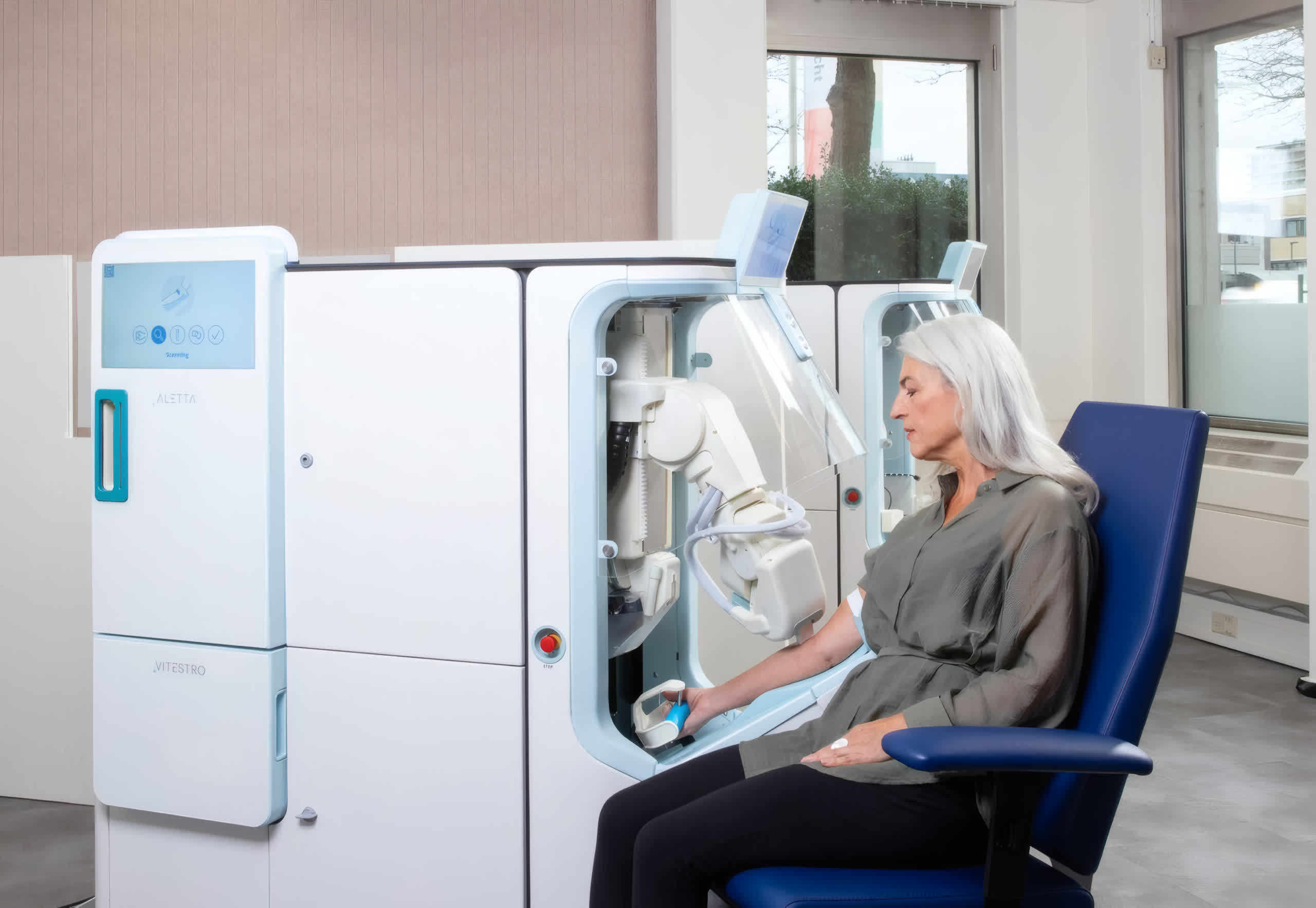
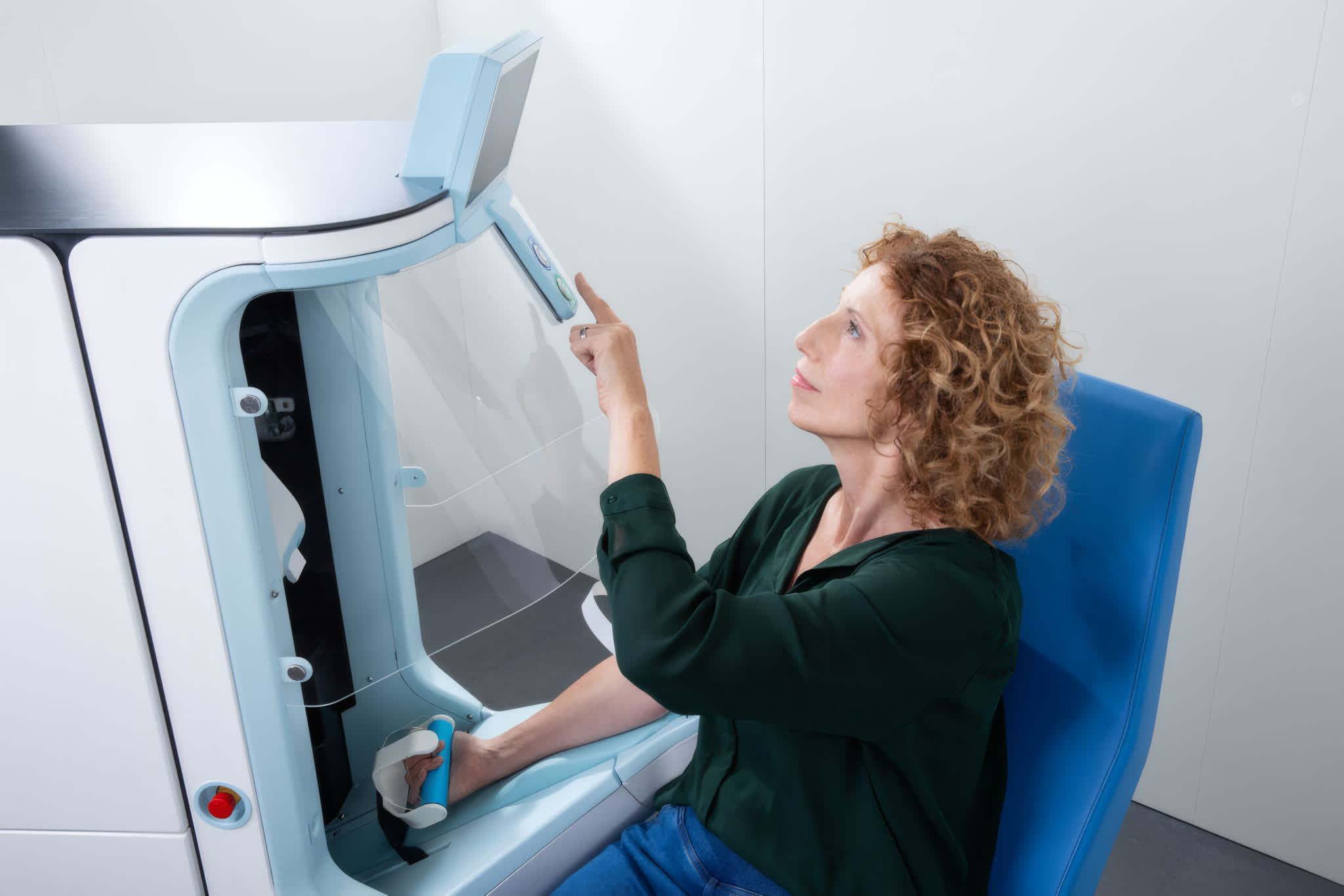
Called Aletta, the robot begins the process by instructing the adult patient on how to position their arm. Once in the correct place, the patient or a supervisor presses a button to begin.
Aletta starts by using near-infrared light and Doppler ultrasound to find a suitable vein in the patient's arm, distinguishing it from an artery. If none can be found, the process stops.
Once a suitable vein is found, the system will apply a tourniquet, prepare the skin, then insert the needle, dispose of it, and even apply a bandage. The supervising phlebotomist confirms that collection tubes are filled in the correct order and verifies that all tubes are adequately full following the procedure.
"Activating small-talk mode"
If this all sounds concerning, the good news is that the FDA specifies that a supervisor trained in phlebotomy must begin and oversee the procedure.
So, why bother with a machine if medical staff need to be present? The agency writes that one phlebotomist can oversee up to three Aletta devices at the same time, which may help address the current phlebotomist shortage in the US.
"This authorization reflects the FDA's commitment to advancing innovative medical devices that help meet a critical public health need while maintaining the safety and effectiveness patients deserve," said Michelle Tarver, M.D., Ph.D., Director of the FDA's Center for Devices and Radiological Health. "Blood draws are one of the most commonly performed medical procedures in the United States, yet patients may face delays due to a growing shortage of trained phlebotomists."
Some people aren't going to be comfortable having a robot push a needle into their veins, of course. But the FDA says Aletta has multiple safeguards. One of these activates if the person moves too much during the procedure, causing the needle to automatically detach and the draw to stop.
Additional onboard sensors can pause the procedure and alert the supervisor if other unsafe conditions are detected.
The FDA added that clinical data showed Aletta achieved blood draw success rates comparable to or higher than those of trained phlebotomists when it attempted a blood draw.
Better than a robotic prostate examination machine
Adeletta's FDA approval is only the first step. It could be a while before the machines start appearing in medical facilities.
FDA approves robot that can find your vein, insert a needle, and draw blood without human help


