
RETRO-TASTIC It's been close to fifteen years since the last new floppy disk was manufactured by Sony. That's a long time by any standard, and it's especially lengthy in the ever-advancing tech world. But despite the finite number of disks decreasing every year, there are those who still hold on to floppies, whether for nostalgia-fuelled pleasure or necessity.
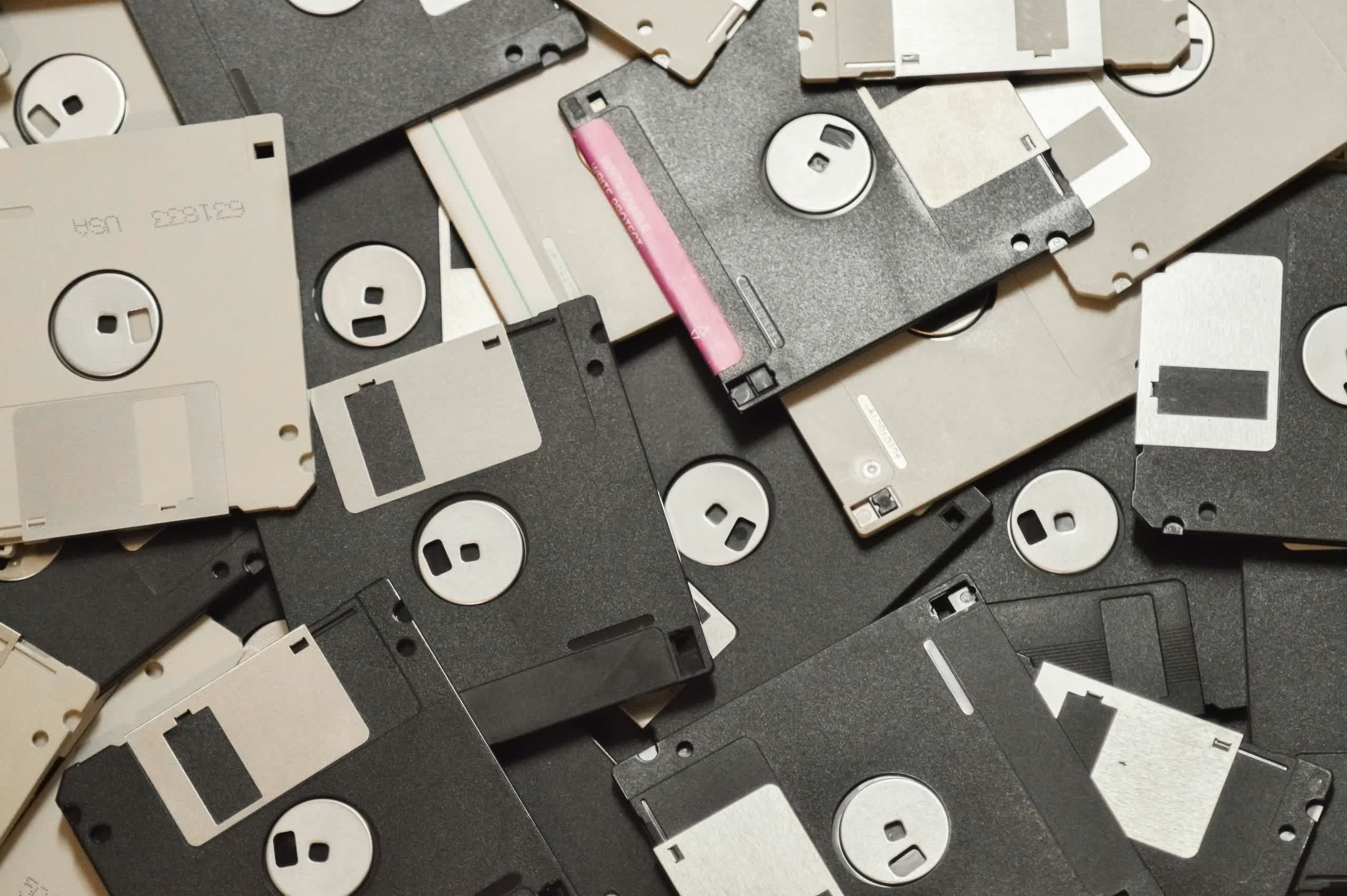
Few things bring a smile to the face of long-time techies over 30 (or thereabouts) quite like the mention of floppy disks. The earliest, 8-inch models (80KB capacity) arrived in the 1970s and were popular among enterprise users, with 5.25-inch (360 KB double sided) designs the common format for home computers at the time. But it's the 3.5-inch (1.44MB) version that most people associate with floppies, popularized by Apple using it in the 1984 Macintosh.
When Sony made the last new floppy disk in 2011, most assumed the medium would die off as a storage format, with only its image living on as a save icon in apps like Word. However, as noted by the BBC, there are still those who refuse to let go of floppy disks.
Related reading: Once-Iconic Tech Products That Are Now a Fading Memory
One of these fans is musician Espen Kraft, who uses music samples stored on the disks. He says they help him creatively and allow the creation of music that sounds like it really does come from another era. He even performs live shows with floppies.
Tom Persky, who runs Floppydisk.com, says the customers he sells his $1 - $10 disks to are evenly split between hobbyists and enthusiasts like Kraft and industrial users. Persky said he still sells "thousands" of floppy disks to the airline industry.
It was only in 2020 when it was confirmed that airlines still used floppies in some planes. A video of a Boeing 747-400 showed it had a 3.5-inch navigation loader drive that had to be updated every 28 days.
There have been other cases of floppies being used in enterprises up until recently. Chuck E. Cheese was using them for the latest routines, lighting, and sync data for its mechanical animals until last year. We also heard that it was only in 2019 that the Pentagon stopped using 1970s IBM Series-1 computers - complete with eight-inch floppy disks - as part of its nuclear weapons systems.
The most recent example of a large organization still using floppies came last month when it was revealed that San Francisco's train control system was still using the technology. The system is said to have been cutting-edge tech when it was first installed – back in 1998.
In addition to the cost and time requirements for upgrading to new systems, many organizations stick with floppies because their physical nature makes the air-gapped systems that use them harder to hack.
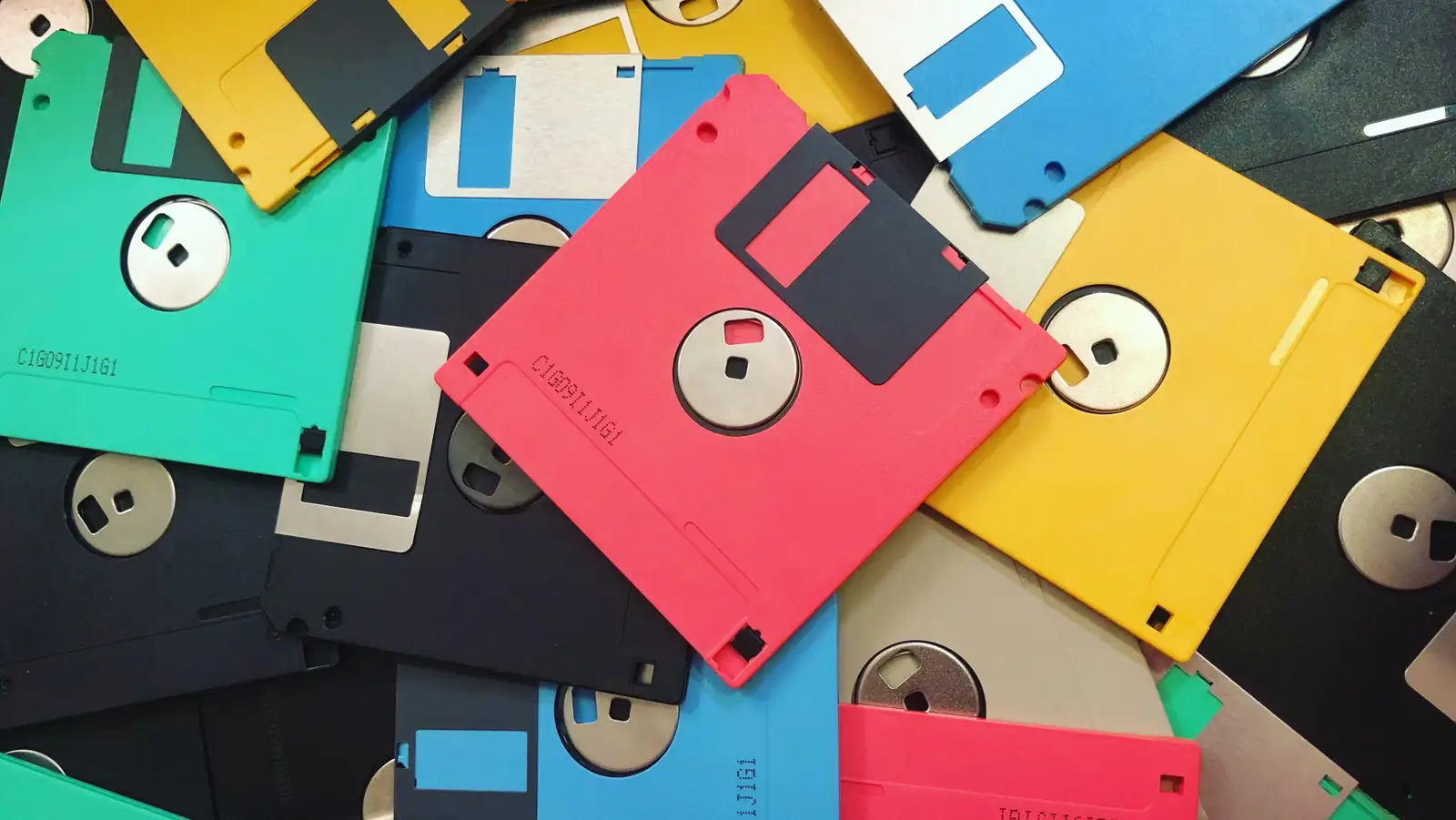
As someone who owned Commodore Amiga 500, 500+, 600, and 1200 models in their youth, it's easy to understand why people cling on to floppy disks. Retro games can be played on modern systems through emulation, but there's nothing like using original equipment: the sounds, the feel, and, quite often, the disks failing to load.
Masthead: SJ
From nostalgia to necessity: why floppy disks refuse to fade away


