The takeaway: Fusion startups are attracting record amounts of money, building new test sites, and setting ambitious delivery dates. The harder task is proving that a fusion reactor can produce reliable electricity at a cost utilities will accept. For now, the technology still faces major hurdles before those commercial targets can be met.
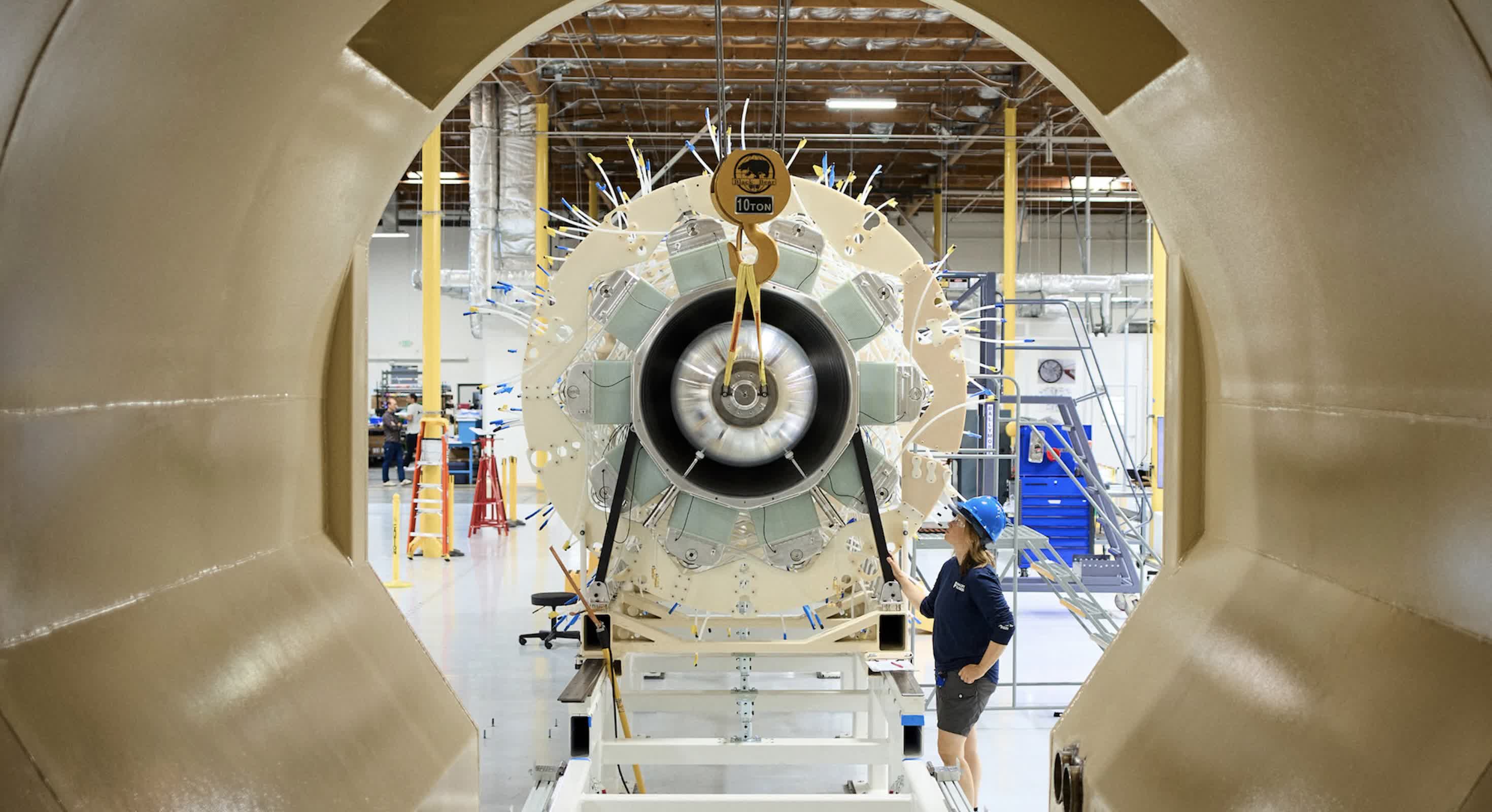
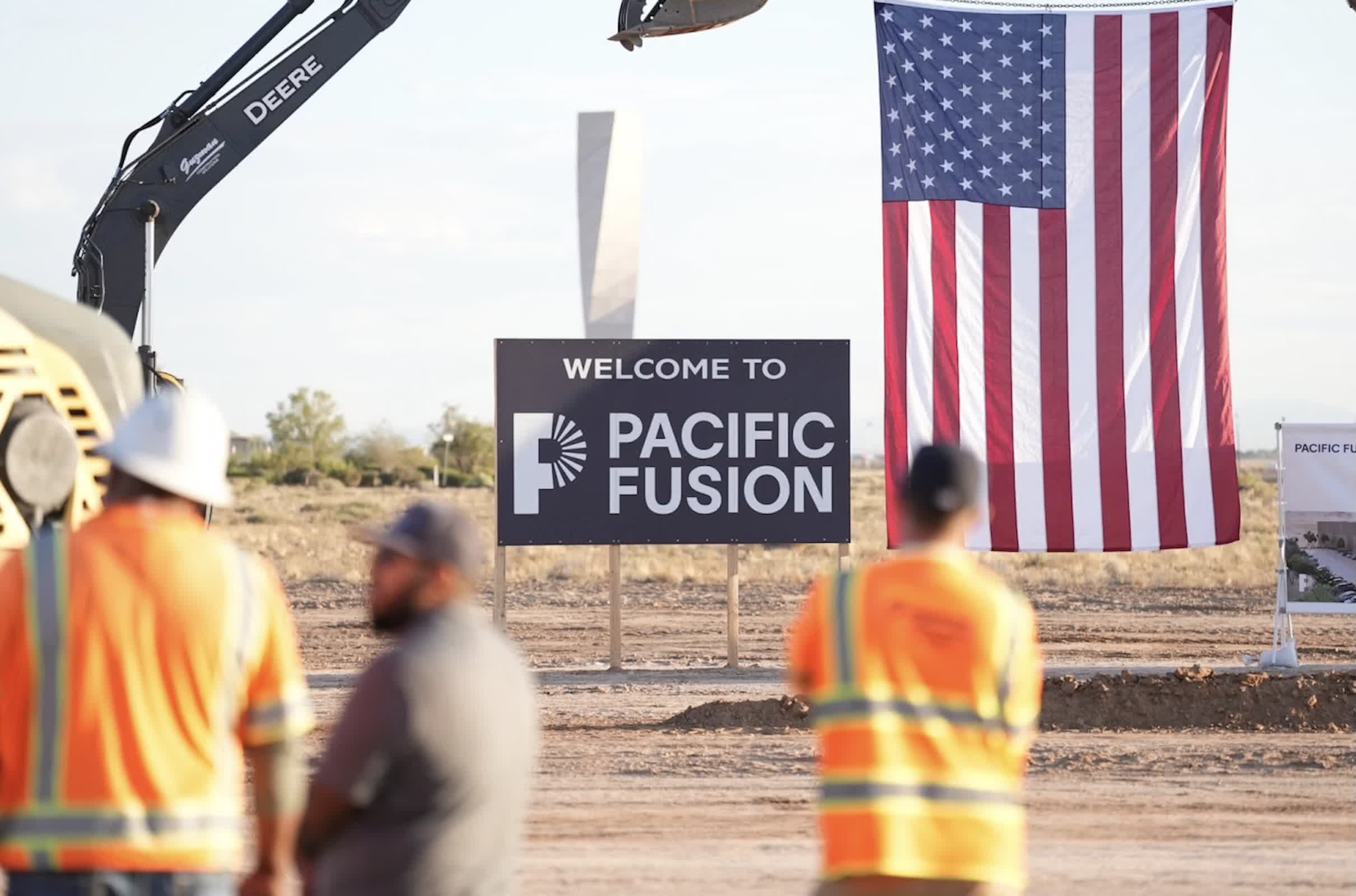
Pacific Fusion recently broke ground on a test facility in Albuquerque, New Mexico. Helion Energy says it plans to provide electricity to Microsoft by 2028. Other companies are aiming to build commercial plants in the 2030s.
The money behind those efforts is growing. Fusion startups raised $3.8 billion in the first eight months of the year, according to PitchBook, more than the $3.3 billion invested during all of last year. The Fusion Industry Association says the number of private fusion companies has doubled over the past five years to more than 50.
The investment reflects real scientific progress. Fusion researchers can create and confine plasma at temperatures above 100 million degrees Celsius. In 2022, the National Ignition Facility at Lawrence Livermore National Laboratory achieved net energy gain in a laser experiment, producing more fusion energy than the laser energy delivered to its fuel target.
That was an important physics result, but it was not a power-plant demonstration. The experiment generated 3.15 megajoules of fusion energy, while the facility's 192 lasers consumed about 422 megajoules of electricity. The result did not account for the broader energy and operating costs of the facility.
That difference is central to the commercial argument. A power plant must do more than trigger a fusion reaction. It must generate more electricity than the entire system consumes, run for long periods, survive extreme conditions, and deliver steady output to the grid.
Alain Bécoulet, chief scientist at ITER, the international fusion project backed by 34 countries, expects experimental facilities to produce substantial fusion power within the next decade. But he said those results are likely to come in short bursts, perhaps lasting no more than 20 seconds. That is not the type of output grid operators need. "There is no point. You cannot sell anything out of [an intermittent source]," Bécoulet told The Financial Times.
The materials challenge remains unresolved as well. A fusion reactor must withstand intense heat and radiation, which can damage internal components and make them radioactive. Mohamed Abdou, professor emeritus of mechanical and aerospace engineering at UCLA, has said a failure in the plasma chamber could force a full shutdown and require months of repair work.
Fuel supply is another issue. Many proposed reactors would rely on tritium, a rare form of hydrogen. A commercial plant would need to produce at least some of that fuel itself. So far, tritium breeding has been demonstrated only in laboratory conditions.
Some researchers see a more gradual timeline than startups are presenting. Steven Cowley, director of the Princeton Plasma Physics Laboratory, said he is "confident" that a pilot facility could produce more electricity than it consumes by the late 2030s. But he said a pilot plant should not be confused with a commercial one.
"I would like to keep that separation between commercial and pilot plants very clear in our mind," Cowley says. He expects early plants to function as technology demonstrations and to require about 10 years of testing. A commercial reactor, in his view, is more likely around mid-century.
Startups face pressure to promise results sooner. Raising money is difficult when a company cannot offer a clear route to revenue. Helion says its target of supplying Microsoft in 2028 reflects work on seven prototypes.
Inertia Enterprises, which is trying to commercialize technology developed at Lawrence Livermore, argues that decades of public research have reduced the scientific risk. Its chief executive, Jeff Lawson, says, "We don't have to solve a physics problem . . . Thanks to the US government [over the past] 60 years and $30 billion of investment."
Even if the reactors work, their economics remain uncertain. Most fusion designs would use heat from the reaction to create steam and drive turbines. But they would also require substantial amounts of electricity to heat, confine, and maintain the plasma.
A review by former General Fusion systems engineer Adam Jackson of a 2023 conceptual plant design found that the facility would retain roughly 60% of its own electricity production. That would leave about 40% available to the grid, meaning the reactor would need to generate more than twice as much electricity as a conventional thermal plant to deliver the same amount of power.
Some companies have offered early cost estimates. General Fusion has projected electricity costs of $64 to $73 per megawatt-hour over a plant's lifetime. Commonwealth Fusion Systems has cited a target of around $50 per megawatt-hour. The Nuclear Energy Agency estimates the cost of new US nuclear generation at about $71 per megawatt-hour and utility-scale solar at about $38 per megawatt-hour.
Fusion research is benefiting from better computing tools and AI systems that can model plasma behavior in greater detail. But the industry has not yet answered the key power plant questions: whether reactors can run continuously, how often parts will fail, how maintenance will work, and what the electricity will ultimately cost.
As Cowley says, researchers have learned to "put the Sun in a bottle." The commercial version, he adds, has yet to be built: "We haven't put it in a commercial bottle."
Fusion startups keep promising power plants, the physics still says otherwise


