
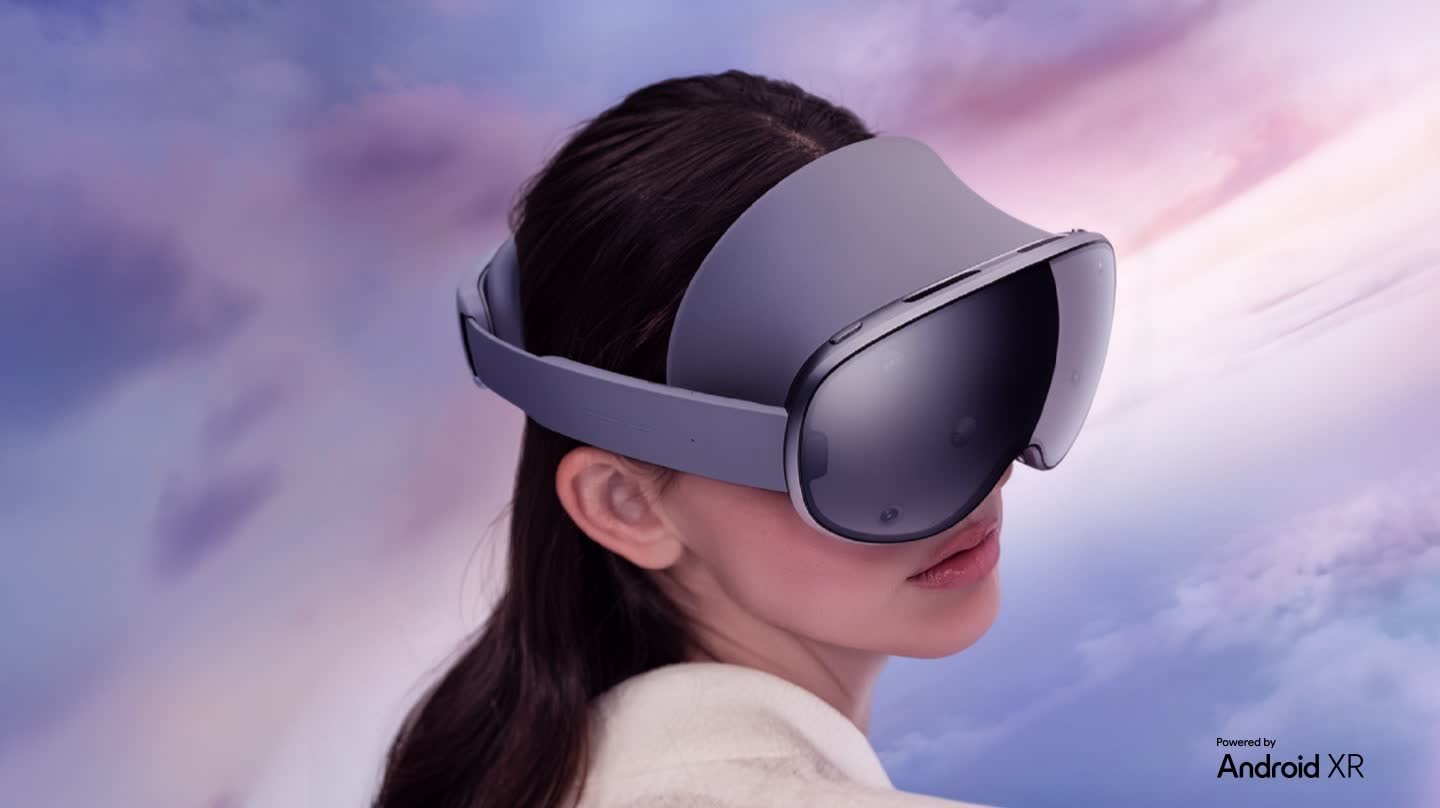
In brief: Google introduced Android XR, its answer to Apple's visionOS, in 2024. In October of this year, Samsung released the first headset for Google's platform, which undercut the Apple Vision Pro by almost 50 percent. Now, newly announced Android XR features are expected to make the platform more closely resemble Apple's extended reality interface.
In a recent presentation (above), Google outlined several new features that are now available in beta for Samsung's Galaxy XR headset. The company also explained its plans for upcoming extended reality smart glasses.
Starting today, Galaxy XR owners can stream apps from their Windows PCs alongside apps running on the standalone headset, similar to how the Apple Vision Pro wirelessly connects to Macs. The PC Connect feature lets users work from their laptops and desktops or play PC games while wearing the Galaxy XR. However, since Samsung's headset focuses on extended reality over virtual reality, it only supports 2D PC games, not full VR titles.
Google also introduced travel mode. Like the Vision Pro's identically named feature, it keeps the virtual screen in place while users are in moving vehicles, such as trains or aircraft.
Realistically rendering and animating users' faces in 3D so video call participants don't see a person wearing a headset is another visionOS feature that Google is echoing. Apple calls them Personas, but Google refers to the avatars as Likenesses.
Android XR is also intended for smart glasses, which Google and other companies plan to release next year. Some will be screenless devices that allow users to talk with and send pictures to Gemini through speakers, microphones, and cameras. Meanwhile, other models will show users information through in-lens displays, such as turn-by-turn directions and translation captions.
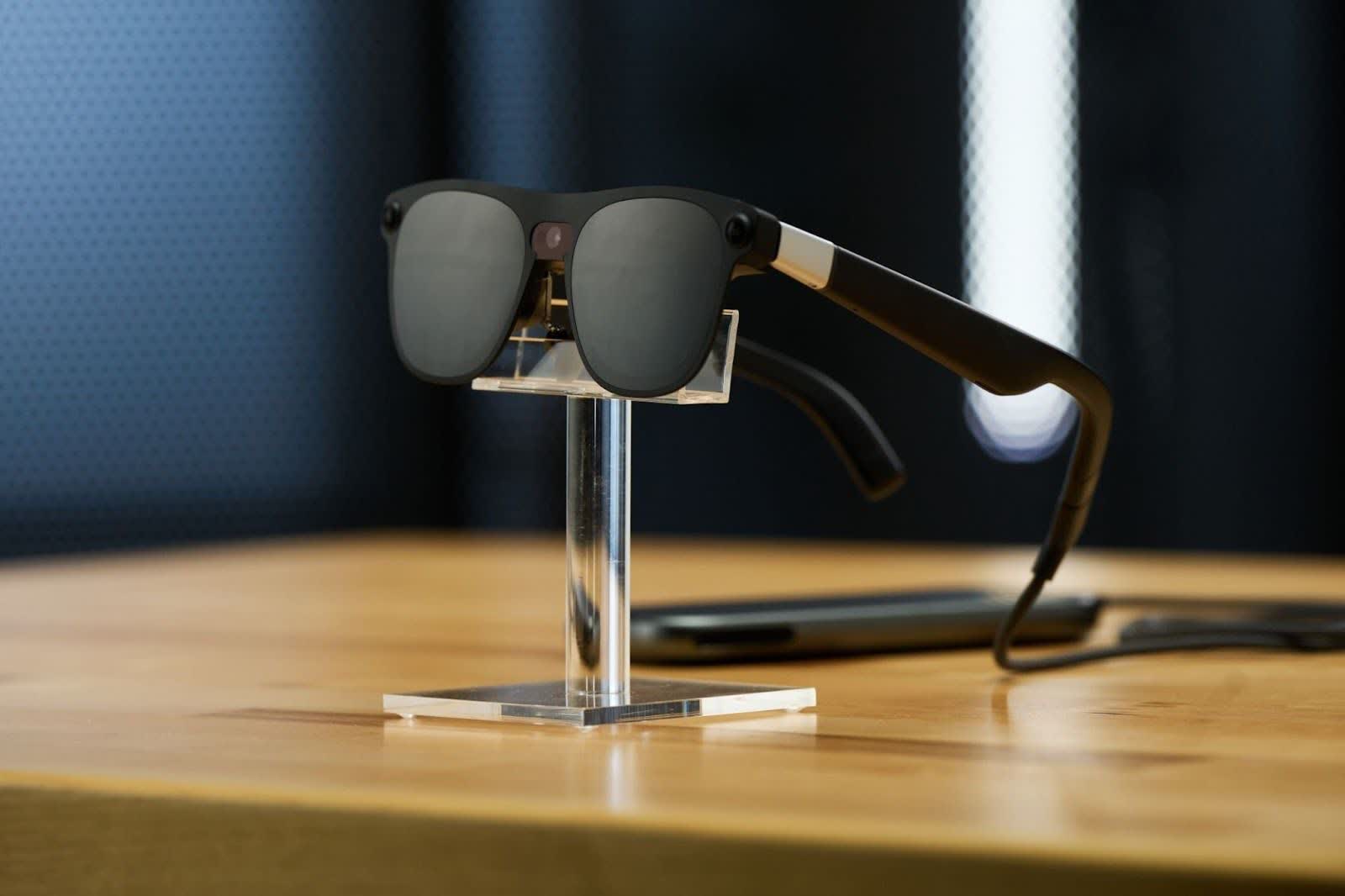
Google also showcased XREAL's Project Aura, the first wired Android XR glasses that appear to balance smart glass portability with headset-like extended reality functionality. They support Android XR entertainment and productivity apps in a see-through interface with a 70-degree field of vision. Google will share details regarding Project Aura's launch next year.
Following the Vision Pro's failure to gain traction, tech giants such as Google, Meta, Apple, and Samsung have turned to smart glasses. However, installing cameras in eyeglasses still raises the same privacy concerns Google Glass raised over a decade ago.
Meanwhile, Valve recently renewed its focus on virtual reality with the Steam Frame headset, scheduled for release early next year. According to early previews, users will be able to sideload Android apps on the device, so it might indirectly support Android XR.
Google is turning Android XR into a visionOS rival with PC streaming and 3D avatars


