
What just happened? Google has just unveiled a major upgrade to Gemini AI's image generation capabilities. Gemini 2.5 Flash, a.k.a. "nano banana" has already ranked as the world's top image editor on the LMArena leaderboard and it's earning rave reviews from users. Nano Banana is designed to solve one of AI's biggest frustrations: consistency. By enabling precise edits, multi-turn tweaking, and seamless style mixing, Google isn't just chasing technical polish – it's gunning for its own breakout cultural moment, the kind of mass adoption that Studio Ghibli – style generations once delivered for GPT.
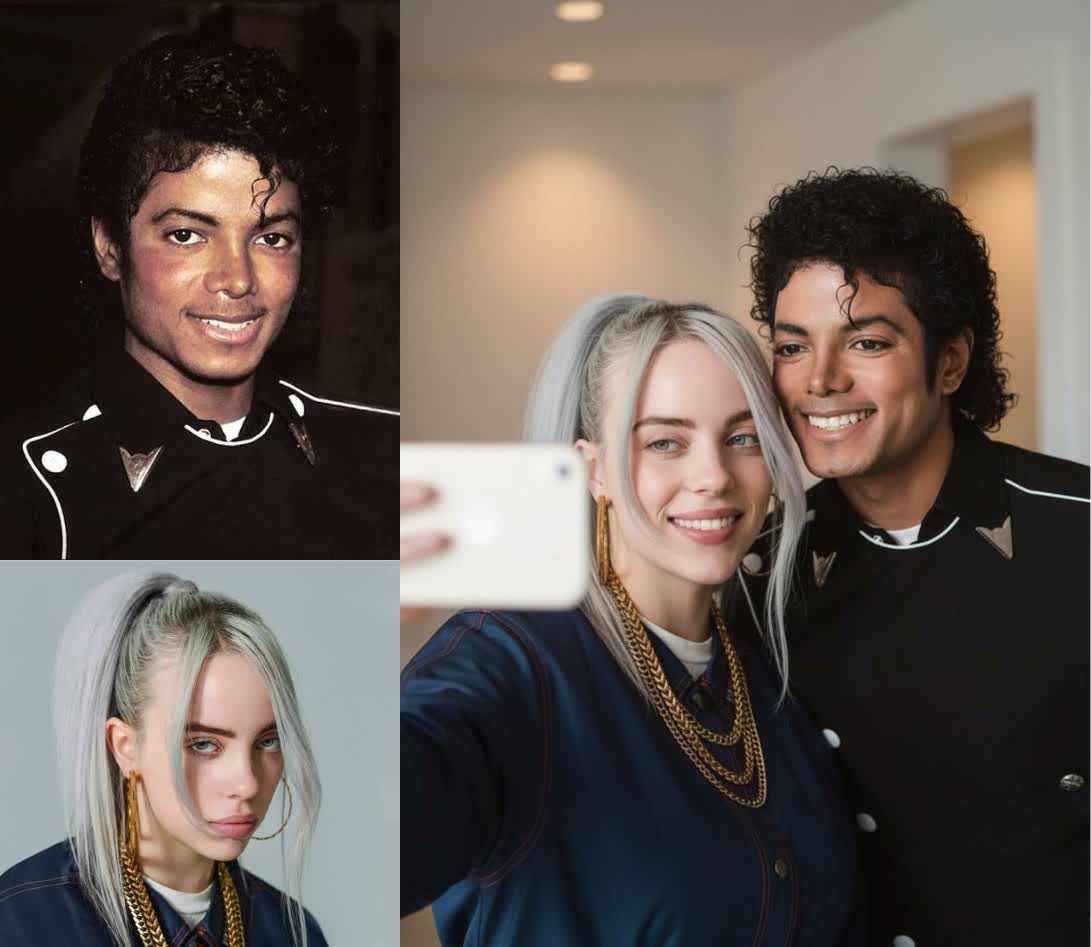
Available in the Gemini app and to developers via the Gemini API, Google AI Studio, and Vertex AI platforms, nano banana is said to address one of the biggest issues with AI image generation: consistency across edits.
I tested how Nano Banana can turn a single base image into a full cinematic sequence.
– DStudioproject (@D_studioproject) August 26, 2025
The consistency across scenes is flawless, no need to rebuild everything from scratch frame by frame.
This changes everything for storytelling speed and tone. Workflow? 10x faster.@Hailuo_AI x… pic.twitter.com/tpBTwZmmU8
If you have an image you like but want to tweak minor details, you've probably experienced the frustration of the entire picture changing when you ask an AI like ChatGPT or Grok to make a small edit.
gemini 2.5 flash image preview (nano banana) pic.twitter.com/lIBZXsElhQ
– 852話(hakoniwa) (@8co28) August 27, 2025
Google writes that users can, for example, upload a photo of a person and try putting them in different outfits, changing haircuts, or placing them in a different decade, all without distorting the subject in some nightmarish way.
Google just dropped Nano Banana inside Gemini… and it's WILD 🍌
– Shruti (@heyshrutimishra) August 26, 2025
SPOILER: it makes Photoshop look ancient.
People are already calling it the best AI photo editor in the world.
Here's why everyone's freaking out (with wild examples + how to use it): pic.twitter.com/41GSOx538P
"You can now place the same character into different environments, showcase a single product from multiple angles in new settings, or generate consistent brand assets, all while preserving the subject," the company wrote.
Users can upload a photo of a person and a pet and blend them together in a new scene.
Blend concepts together. This new model unleashes creative possibilities by letting you merge two or more ideas or images into one. You can combine textures, subjects, and environments and more. Now, that's a slam dunk. pic.twitter.com/zjgBV1JQmp
– Google Gemini App (@GeminiApp) August 26, 2025
There's also multi-turn editing, which lets you continuously make edits to images. Google suggests adding furniture and decorations to a photo of a room to inspire ideas.
Another interesting element is mixing designs. This lets you apply the style of one image to an object in another, such as changing a dress design to the pattern on a butterfly's wings.
As AI image generators become more advanced and difficult to identify as fake, so do concerns over their use for nefarious purposes. But Gemini 2.5 Flash Image does have the usual AI watermark in the corner, and each image has an invisible SynthID digital watermark that can be detected even if the image has been modified.
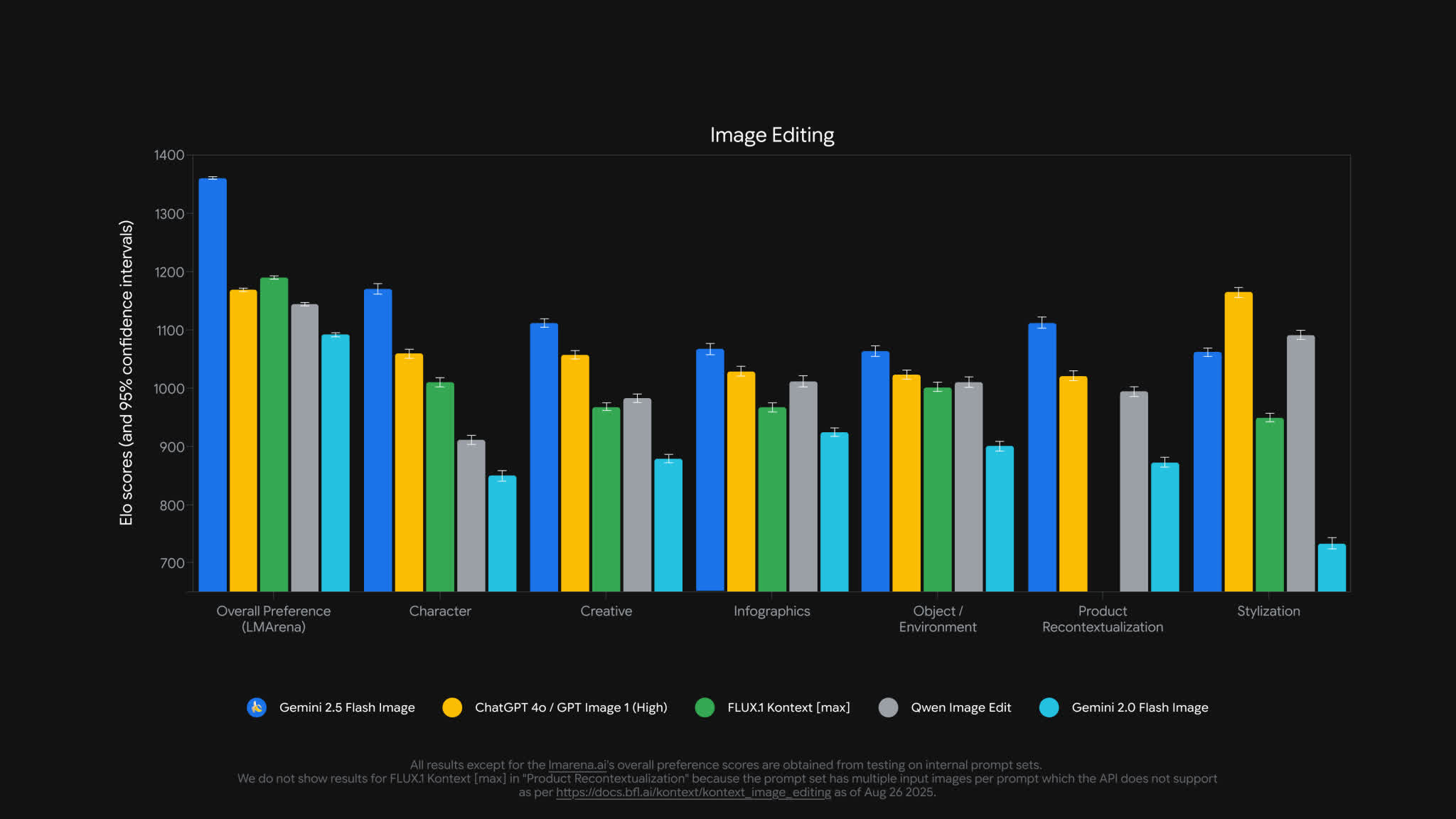
Image generation is becoming one of the main battlegrounds in the battle between generative-AI apps. Elon Musk has long championed Grok's abilities in this area, and while most other AIs have guardrails to prevent NSFW images, Grok comes with a "Spicy" mode designed to output this content.
ChatGPT's image-generation abilities helped push its number of users to almost one billion in April, thanks mostly to the massive number of images being created in the style of Studio Ghibli.
One day in and our community is going #nanobanana over Gemini's state-of-the-art image & editing update.
– Google Gemini App (@GeminiApp) August 27, 2025
Here's a round up of some outputs that caught our eyes:
Meta, meanwhile, has announced that it is licensing AI image models for Midjourney.
Google unveils Gemini's "nano banana" model, taking AI image generation to the next level


