
The big picture: Barely a month after the first Googlebooks went on sale, Google is rolling out their first substantial software update. The headline fix gives back memory that the laptops' own AI features had been holding onto: between 3GB and 6GB of system RAM optimizations, according to Google.
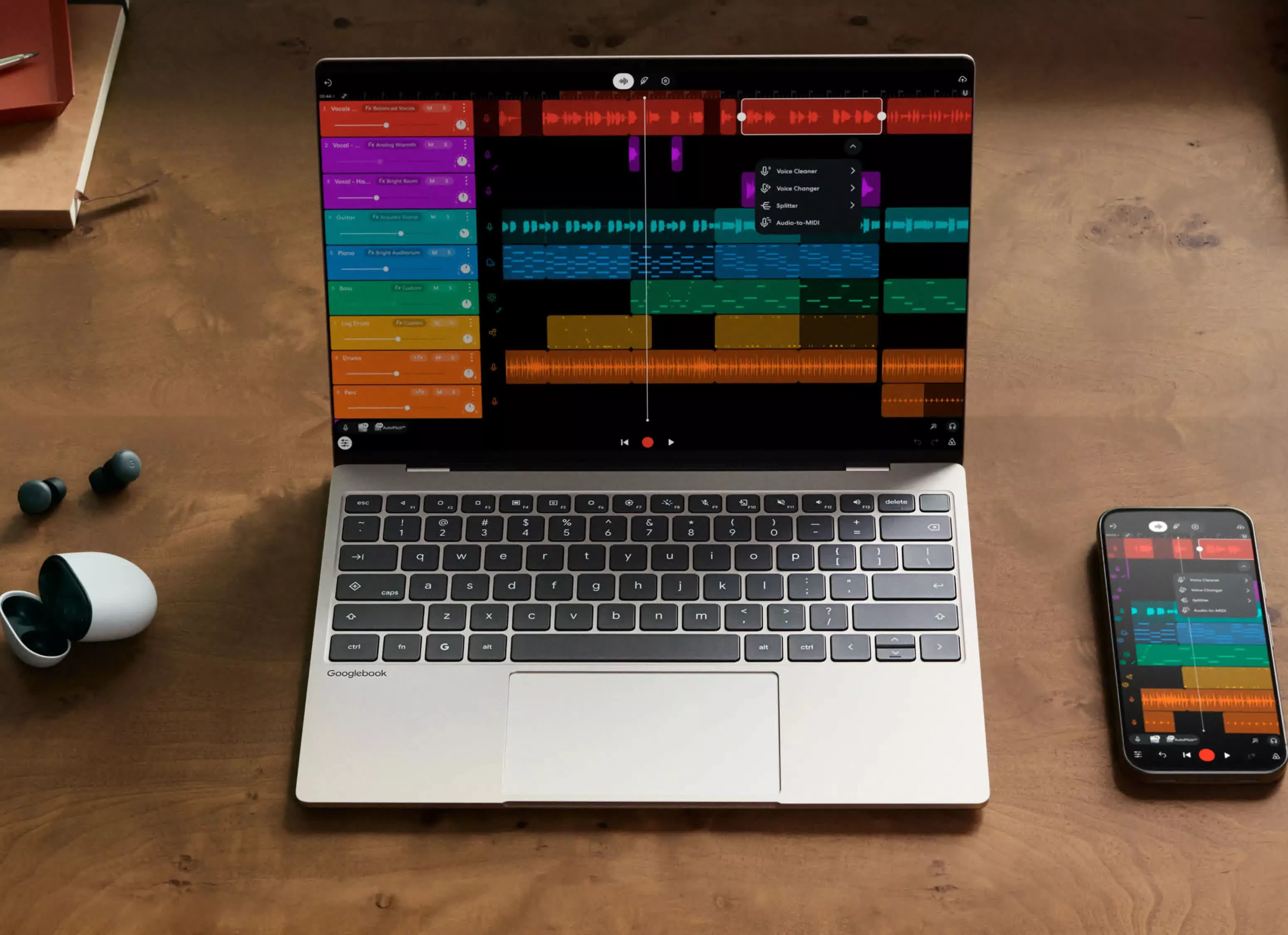
The Googlebook November update also fixes roughly 30 bugs across all five launch machines. The memory optimization applies to the Acer Googlebook 14, Asus Googlebook 14 and Lenovo Googlebook 15, the three launch models based on Intel's Core Ultra 5 Panther Lake chips.
Google's official release notes only say it has "improved memory usage for on-device AI," citing better multitasking stability but without putting a number on it. The 3GB to 6GB figure comes from Google's own post on Reddit. It credits an updated NPU driver and reworked memory management.
On a 16GB laptop, that works out to ~20% to 38% of total RAM. It's a big gain, but it also tells you how much the AI stack was claiming before the fix. The Dell XPS Googlebook and HP Googlebook 14 aren't part of this change, those are based on the Snapdragon X Elite SoC, though all models do get a tweak to browser memory stability under heavy tab loads.
The rest of the changelog reads like a list of first-month pain point fixes: Netflix and other DRM-protected video no longer show a black screen on external monitors, and the HP and Dell models get fixes for a display driver crash that could restart the laptop when unplugging a monitor or USB-C device. Zoom should stop crashing when using background blur, too. There are other specific audio and Bluetooth fixes.
The beta Linux terminal, which runs inside a virtual machine, gets a meaningful round of improvements as well. Shell sessions now survive sleep, SSH port forwarding holds up better, and system updates refresh the Linux VM without wiping user storage or custom server configs. Google also says keystrokes and console output from the terminal will no longer end up in system diagnostic logs(!), a big fix that is more important than a single line in the release notes would otherwise suggest. Security rounds things out with the November 1 Android patch, which addresses around 60 vulnerabilities.
The update is also a reminder that on-device AI isn't free. Google set 16GB as the minimum amount of memory for Googlebooks, and this release shows how much of that the AI layer can occupy when left unchecked.
Googlebook OS is a new platform built on Android rather than ChromeOS's own Linux base, so Google has had to rebuild features users took for granted, some of which are still missing like Chrome profiles and half-baked phone-to-laptop continuity features.
How to install it
The November update is rolling out gradually to all five launch models. Owners can check for build CL3B.260622.286.R2 under Settings > System > Software updates > System update.
Googlebooks get their first big update, freeing up 3GB to 6GB of RAM


