
In brief: Like other smart TV manufacturers, Hisense tracks users' viewing habits for targeted advertising. However, a recent reverse-engineering effort revealed where Hisense's traffic goes and how it might transmit what users say. A GitHub repository also provides detailed instructions for disabling ad tracking. Experts recommend disconnecting smart TVs from the internet and streaming content via external devices.
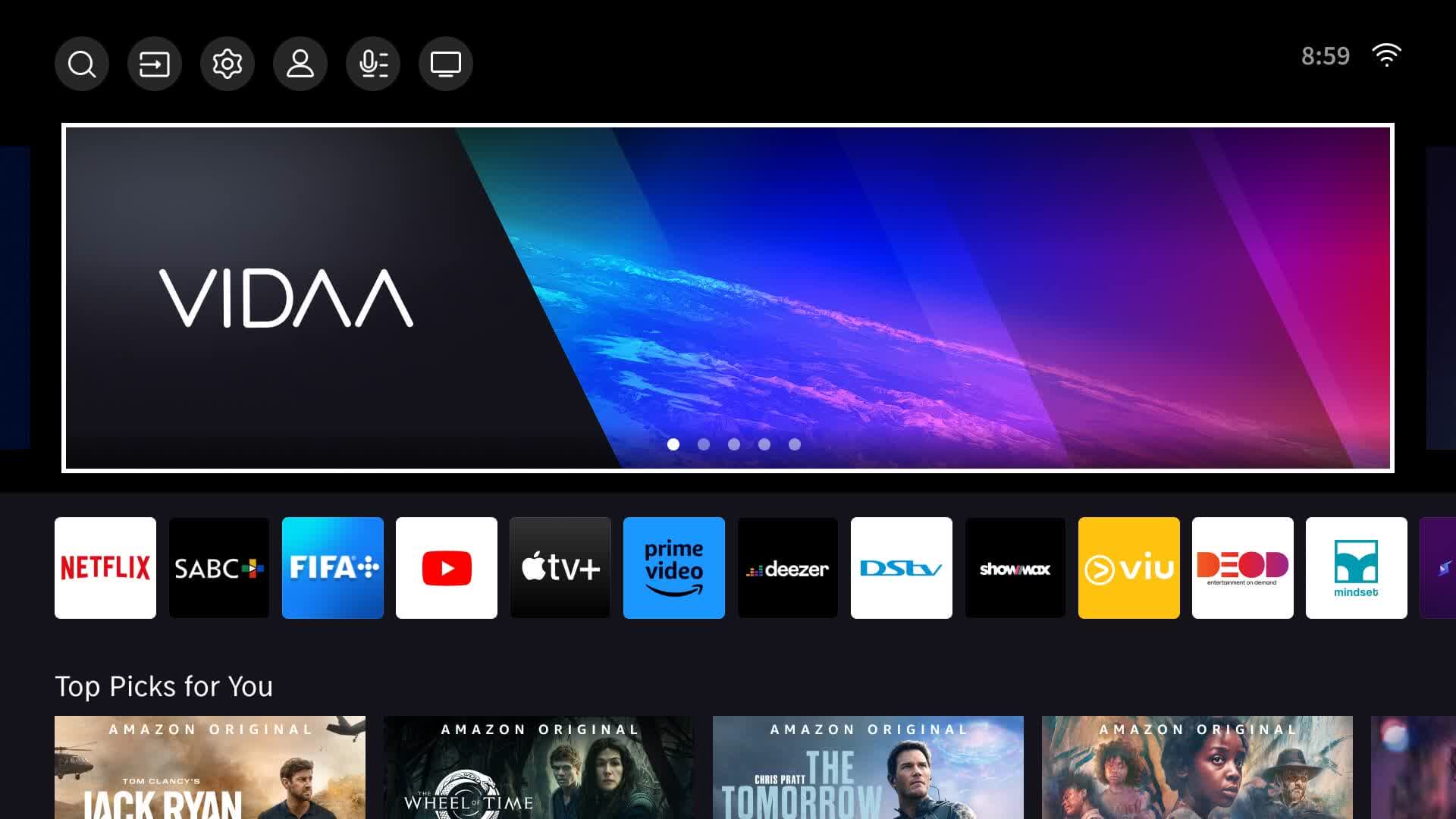
A recent write-up from software engineer Gabriel Werneck outlines how Hisense's VIDAA TVs send user viewing data to Israeli ad firm Nexxen. Opting out of certain settings appears to stop this behavior, but other manufacturers have been caught ignoring opt-outs before.
When Werneck used DeepSeek to reverse-engineer his VIDAA smart TV's operating system, he discovered that it uses its microphone to identify viewing content for targeted ads. Most smart TVs use automatic content recognition (ACR) via intermittent screencaps.
VIDAA TVs use microphones to recognize voice commands, which requires them to listen at all times. However, Werneck discovered that Nexxen receives audio data from the microphones, including sound from the TV's speakers. Like other ACR systems, VIDAA TVs recognize content from all inputs, including HDMI ports and internally installed streaming apps.
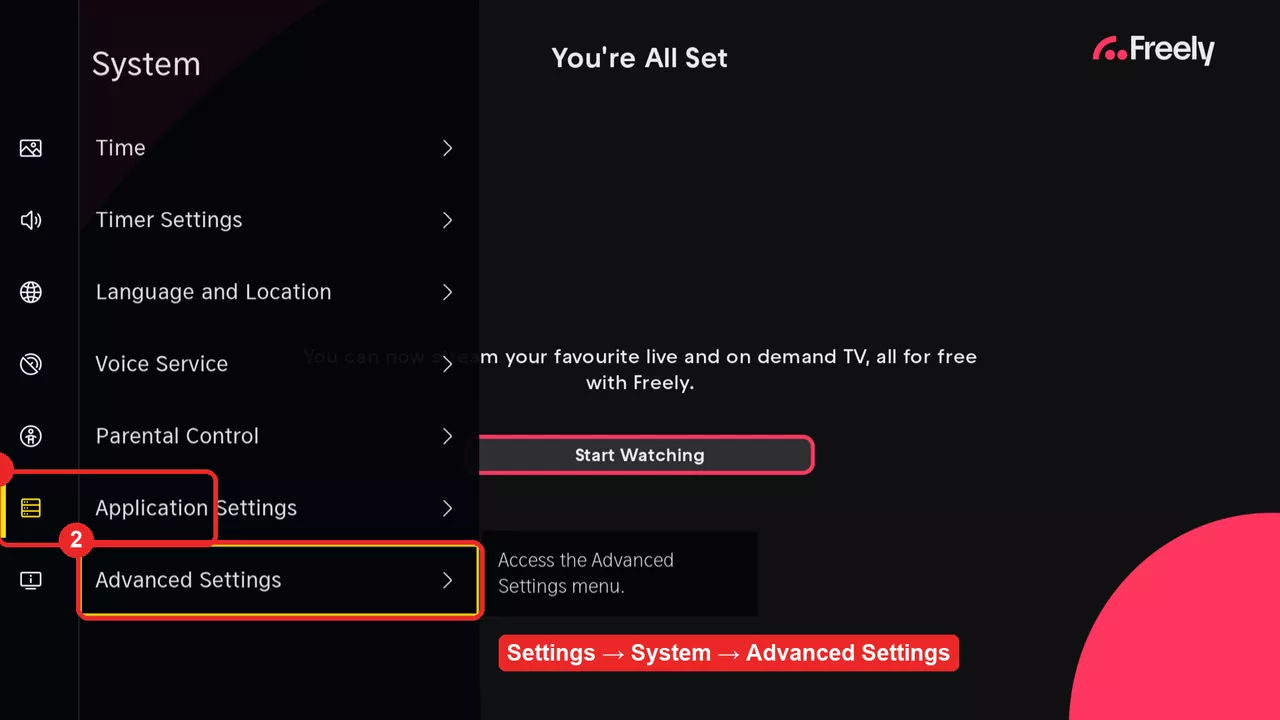
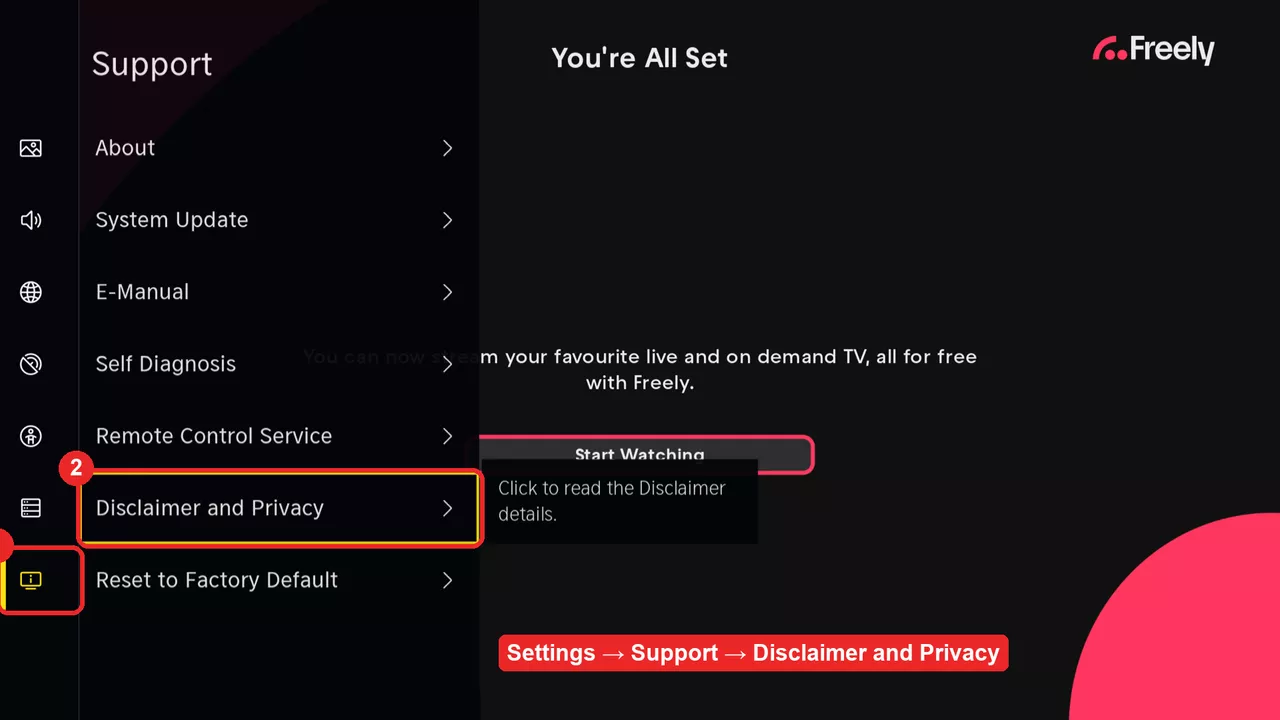
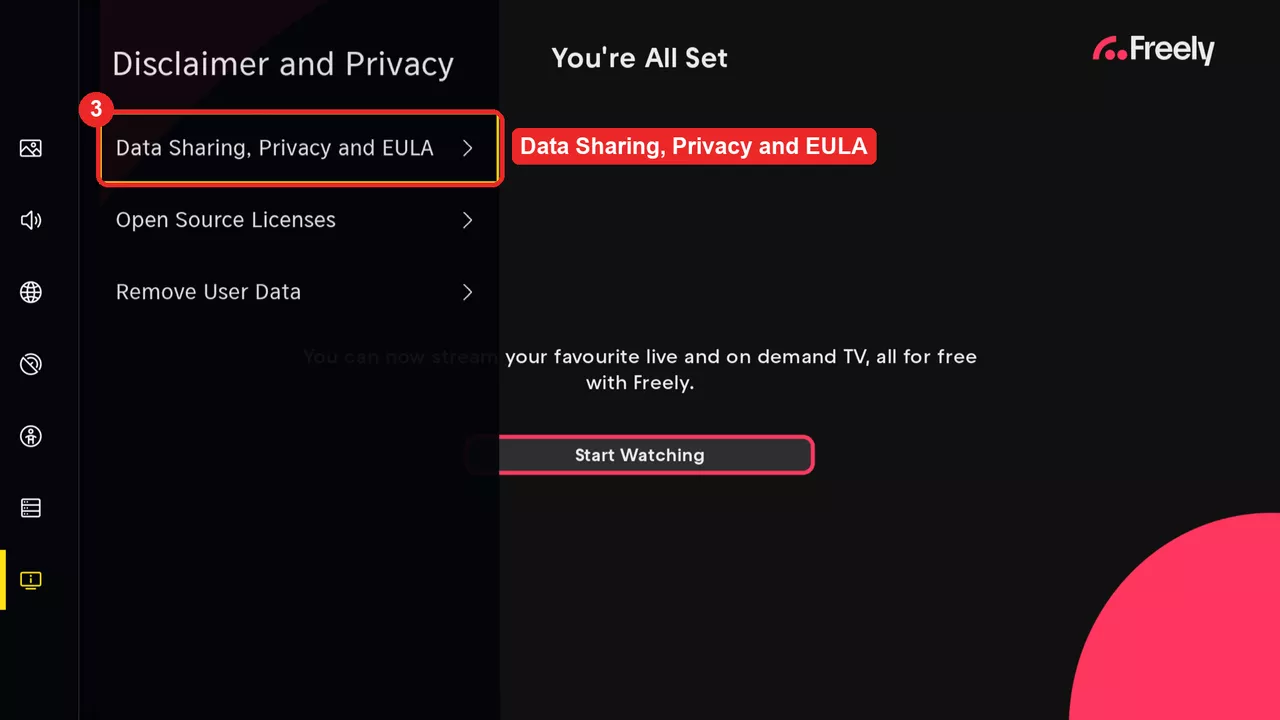
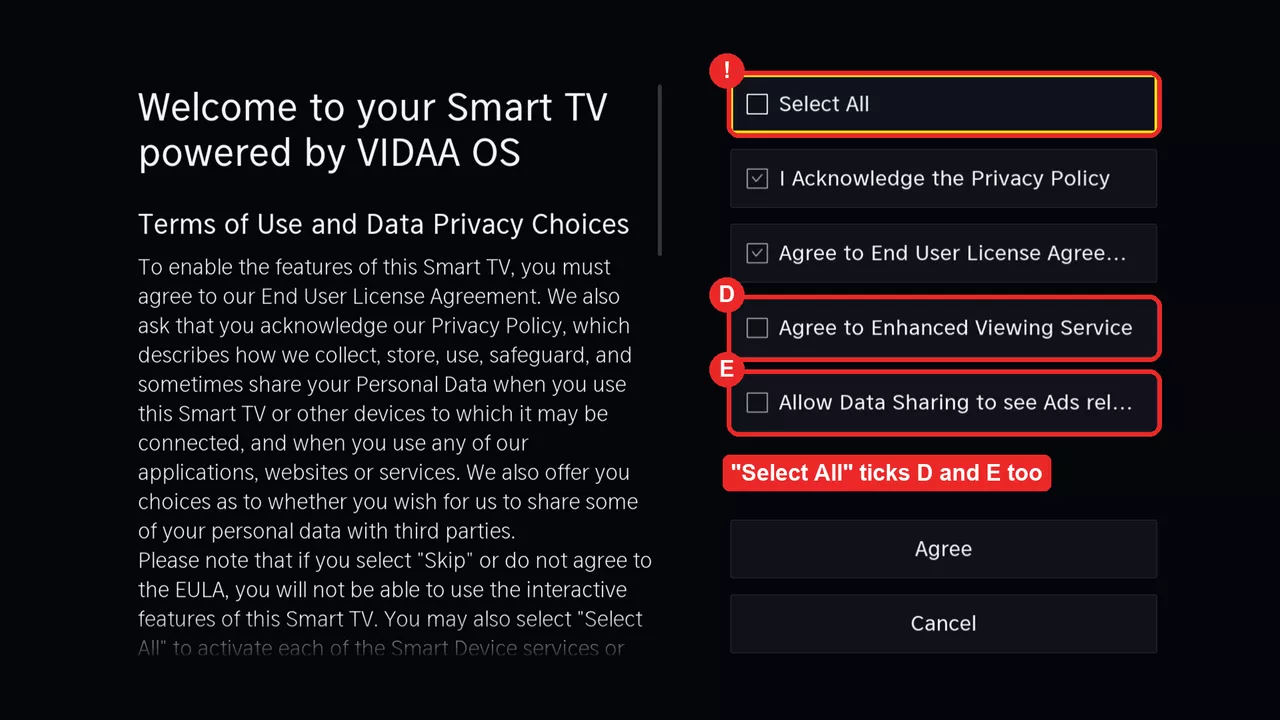
Furthermore, privacy settings that supposedly limit or disable personalized tracking are split across two menus with five checkboxes in all. The most important appears to be "Agree to Enhanced Viewing Service," located under System > Support > Disclaimer and Privacy > Data Sharing, Privacy and EULA. However, other checkboxes also mention data sharing and advertising, so privacy-minded users should leave them unchecked as well.
Disabling these features doesn't stop ACR from identifying content. It only prevents the TV from transmitting data to Nexxen. This is likely also true if users disconnect the TV from the internet.
In September, the same behavior was discovered in LG TVs. Working with security researchers, Gamers Nexus discovered that the company's OLED TVs tracked content, scanned Wi-Fi networks without owners' consent, and recorded conversations. They also uncovered multiple severe security gaps that could allow hackers to execute remote code and steal data.
Texas sued five smart TV makers, including LG and Hisense, last year for ACR recording, and Vizio paid a $2.2 million settlement for the practice in 2017. However, research from earlier this month revealed that Vizio TVs, more than any other, ignore opt-out requests and transmit the same amount of data regardless of whether users consent to personalized ads.
Disconnecting smart TVs from the internet and using external streaming devices is likely the best way to avoid tracking. While some streaming boxes also engage in ACR, the Apple TV doesn't.


