As modern games push memory harder, choosing the right amount of RAM matters more than ever. With DRAM pricing in flux, we revisit the big question: is 16GB still enough for gaming?
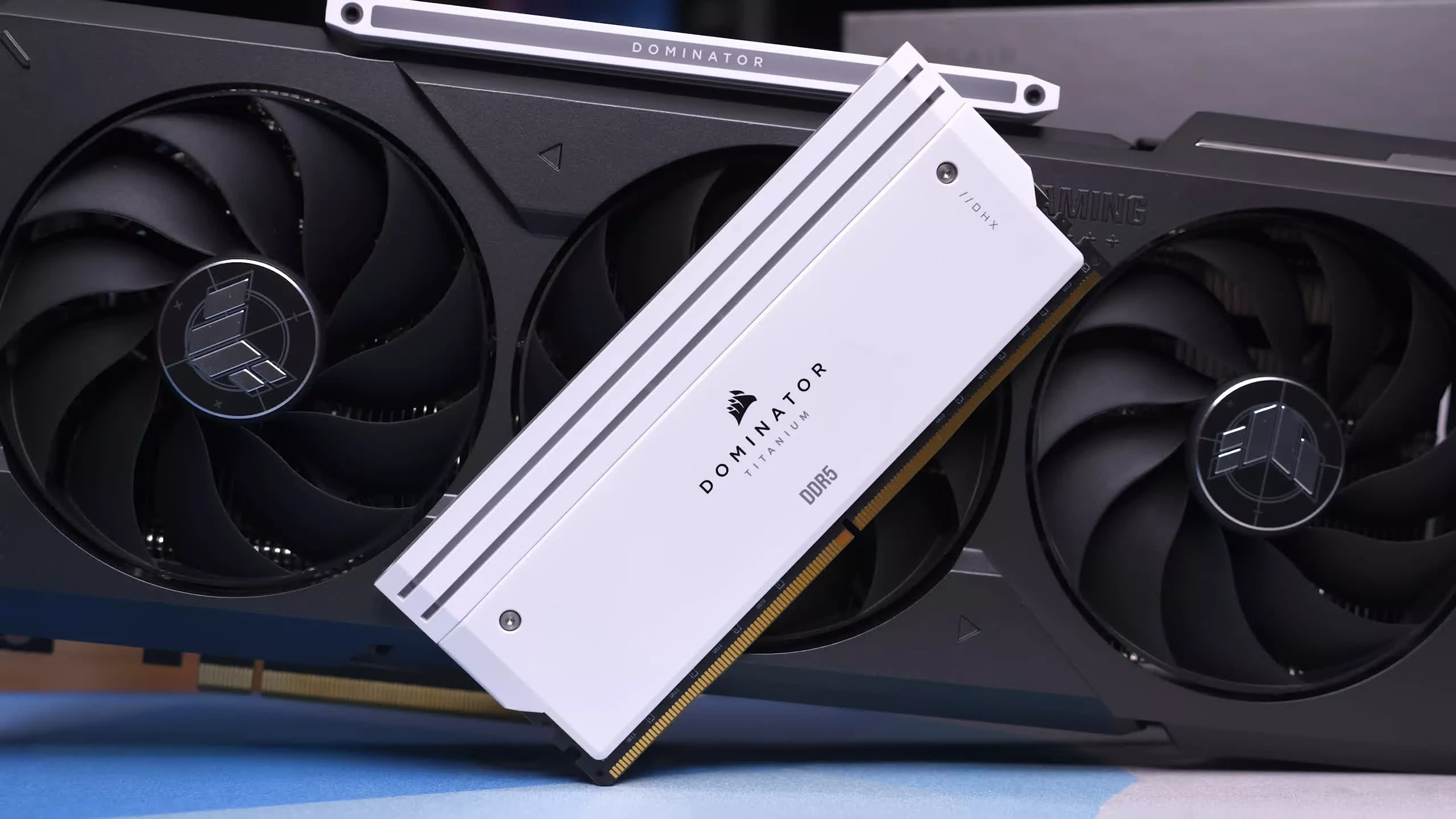
As modern games push memory harder, choosing the right amount of RAM matters more than ever. With DRAM pricing in flux, we revisit the big question: is 16GB still enough for gaming?


When upgrading my partners rig to 32gb whole ago I put the freed up 16gb in mine (in addition to the 16gb already there) and it's been a smooth for me even though I'm super lazy with closing things. Usually whilst gaming I'll have 2 browsers (WaterFox and Chrome) and visual studio open.
If any of it breaks I can make do with 16gb, even though the RAM has lifetime warranty I somewhat doubt the manufacturer would honour it in a timely fashion during this time of shortage.
Although graphics cards are #1 by a landslide when it comes to failure rates RAM has a shared second spot in my experience (shared with power supplies and motherboards). Won't count HDDs as I have been extremely lucky with those and mostly stopped using them.Memory pretty much never stop working, unless you OC and overvolt like crazy maybe (will freeze/crash most of the time before breaking) which is why most companies just give you lifetime warrenty.
The chance memory failing or dying before the whole platform is garbage, is slim I think.
On my many home systems over the last 35 years, I've had 1 stick fail in the field. And one that I got DOA and returned. So you're right, this is not common at all. Well, perhaps more common when one is overclocking or running aggressive XMP profiles, where it's on the verge of instability to begin with.Memory pretty much never stop working, unless you OC and overvolt like crazy maybe (will freeze/crash most of the time before breaking) which is why most companies just give you lifetime warrenty.
The chance memory failing or dying before the whole platform is garbage, is slim I think.
Read the whole article before make fool of yourself.Instead of using top line hardware I.e Ryzen 7 9800X3D and an RTX5090 why not use mid range hardware so most of the populace can get a reasonable idea of what to expect?m.


Might happen if AI data centers cannot get enough electricity plus water for cooling."...probably once the AI bubble bursts, resulting in a global financial crisis, at which point buying DRAM will be the least of your worries." Good one. Made me laugh!!

Amateur. I have two browsers with a total of 100 tabs, a VM running Mint with 16GB allocated (sometimes two VM's), several necessary programs and sometimes two games and, usually, I only use half of my 64GB. Gimp, DaVinci and the occational local LLM (LM Studio) push my RAM to the limits, not games or the usual software I use.When upgrading my partners rig to 32gb whole ago I put the freed up 16gb in mine (in addition to the 16gb already there) and it's been a smooth for me even though I'm super lazy with closing things. Usually whilst gaming I'll have 2 browsers (WaterFox and Chrome) and visual studio open.
If any of it breaks I can make do with 16gb, even though the RAM has lifetime warranty I somewhat doubt the manufacturer would honour it in a timely fashion during this time of shortage.

While interesting, this article only applies to users with a 5090 and 9800X3D…
This isn’t gaming benchmarks - where you remove a bottleneck in order to measure something knowing that the measurement is independant of the hardware being “freed”…Right, because bottlenecking the test system at the CPU or GPU level would throw us the kind of data we need to measure RAM usage.
This isn’t gaming benchmarks - where you remove a bottleneck in order to measure something knowing that the measurement is independant of the hardware being “freed”…
The system performs differently with a different GPU and CPU even with the same RAM… regardless of gaming…But, but... the article is titled "How Much RAM Do Gamers Need?"
Unless you want to play games AND render something and run other workloads at the same time.