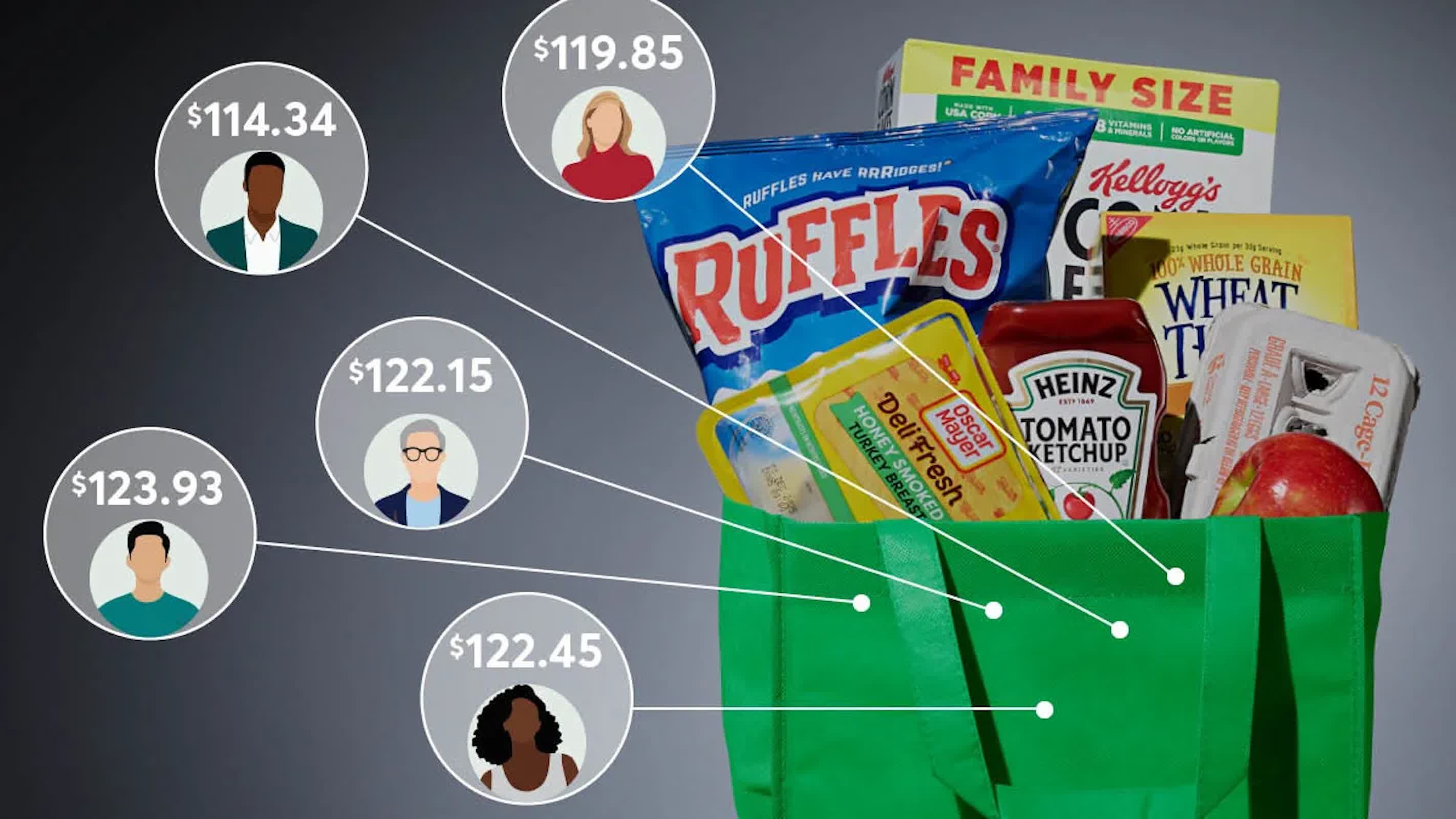
A months-long joint investigation by Consumer Reports and Groundwork Collaborative has uncovered widespread price testing on Instacart's grocery delivery platform. The research shows that identical grocery items sometimes cost different amounts for each customer. The disparity is sometimes as much as 23 percent. Investigators detected the tests at several of the nation's largest grocery chains, including Albertsons, Costco, Kroger, Safeway, Sprouts Farmers Market, and Target.
The research methodology simulated hundreds of simultaneous online grocery sessions through controlled experiments with 437 volunteers across the US. Volunteers built identical shopping carts on Instacart for stores such as Safeway and Target and recorded their results. The experiments found that every participant encountered algorithmically determined pricing differences.
Instacart has previously acknowledged conducting price testing, noting in corporate materials that shoppers are unaware they are participating. The company has described the price variations as "small and negligible." However, the Consumer Reports investigation found that the experiments were far more extensive and financially significant than the company's disclosures suggest.
Instacart confirmed that it conducts dynamic pricing tests using artificial intelligence software with roughly 10 of its retail partners, though it declined to identify them. The company likens the practice to historical in-store pricing tests used to gauge customer reactions to different prices.

There were no price variations for some products, including Premium brand saltine crackers, Heinz ketchup, and Barilla farfalle pasta.
"These limited, short-term, and randomized tests help retail partners learn what matters most to consumers," Instacart said when asked for comment.
The system operates much like dynamic pricing models used by airlines and hotels. It analyzes large datasets from its online marketplace, then adjusts prices within select product categories and user groups based on experimental parameters.
Consumer Reports found price differences ranging from seven cents to $2.56 for single items in identical carts. In one Seattle-area test, identical baskets at Safeway varied by nearly $10, and customers were unaware of the discrepancies. Based on average grocery spending by US households, these variations could add roughly $1,200 per year in extra costs.
The pricing tests are part of Instacart's strategic shift from logistics provider to technology platform. After acquiring the AI startup Eversight in 2022, Instacart began marketing pricing optimization tools that use machine learning to improve price perception and drive incremental sales. Investor materials reveal that the technology can boost sales by one to three percent and increase profit margins by up to five percent for grocery partners.
Instacart's machine-learning tools include "smart rounding," which adjusts prices in fractional increments to test consumer sensitivity. The company inadvertently confirmed the practice in an email exchange with Costco, which surfaced during the investigation. Investor documents say smart rounding helps retailers set prices more precisely based on consumer responsiveness, generating millions in additional annual sales for large grocery partners.

Other products showed moderate price variations, such as Cheerios cereal, Ruffles potato chips, and Lucerne eggs.
The investigation also uncovered multiple instances of "fictitious" or "false reference" pricing, where Instacart presented different original prices for discounted items, altering the perceived size of the discount. For example, Seattle volunteers shopping at Safeway through Instacart saw Premium brand saltine crackers with original prices ranging from $5.93 to $6.69, before the app applied the identical sale price of $3.99.
Pricing specialists note that fictitious pricing is an established retail tactic, now amplified by algorithmic systems that can test numerous pricing combinations simultaneously. Laura Smith, legal director at the nonprofit Truth in Advertising, told Consumer Reports that dynamic algorithms are accelerating false discounting, creating a sense of urgency and unfairly affecting competition in the marketplace.
Instacart denies that its algorithms use personal or demographic data to set prices. The company says users are randomly assigned to price-testing cohorts by product category and region, not by identity. However, patent filings by Instacart and Eversight from 2017 to 2025 mention the potential use of behavioral and demographic data – such as age, household size, income, and purchase history – to refine offers and group customers into "subpopulations."
Consumer advocates warn that these features represent the early stages of "surveillance pricing," a model in which companies use highly personalized data to set individual prices. For example, retailers like Kroger already leverage purchase history and demographic data to tailor loyalty-program discounts.

And some items varied more dramatically in price.
Federal and state regulators have begun to take notice. In 2022, the Federal Trade Commission issued guidance warning that companies engaging in price discrimination violate fairness standards if cost differences do not justify the practice. A subsequent FTC inquiry into individualized pricing software found that many retailers often rely on personal information to set targeted prices. That investigation is still ongoing.
New York recently introduced the first law requiring disclosure labels for algorithmic pricing.
"This price was set by an algorithm using your personal data," the mandated disclaimer reads.
Proposed legislation in California, Colorado, and Pennsylvania goes further, aiming to ban surveillance pricing on essential goods such as groceries.
Instacart is also advancing its in-store pricing ambitions. The company has developed electronic shelf labels, called "Carrot Tags," that sync with its pricing software, allowing retailers to update physical price tags instantly. Promotional materials previously suggested that the system could enable dynamic, real-time pricing at the shelf, though Instacart removed that language after press inquiries. The company says it does not currently use Carrot Tags for live price experiments in stores.
Image credit: Consumer Reports
Instacart's algorithm is quietly charging people different prices for the same groceries


