
A hot potato: Intel CEO Lip-Bu Tan has described recent suspicion about his past dealings with China as "misinformation," as the company works to resolve the matter with the Trump administration. The US government is targeting the chipmaker's boss during a prolonged crisis for the company, which is struggling to salvage its manufacturing business.
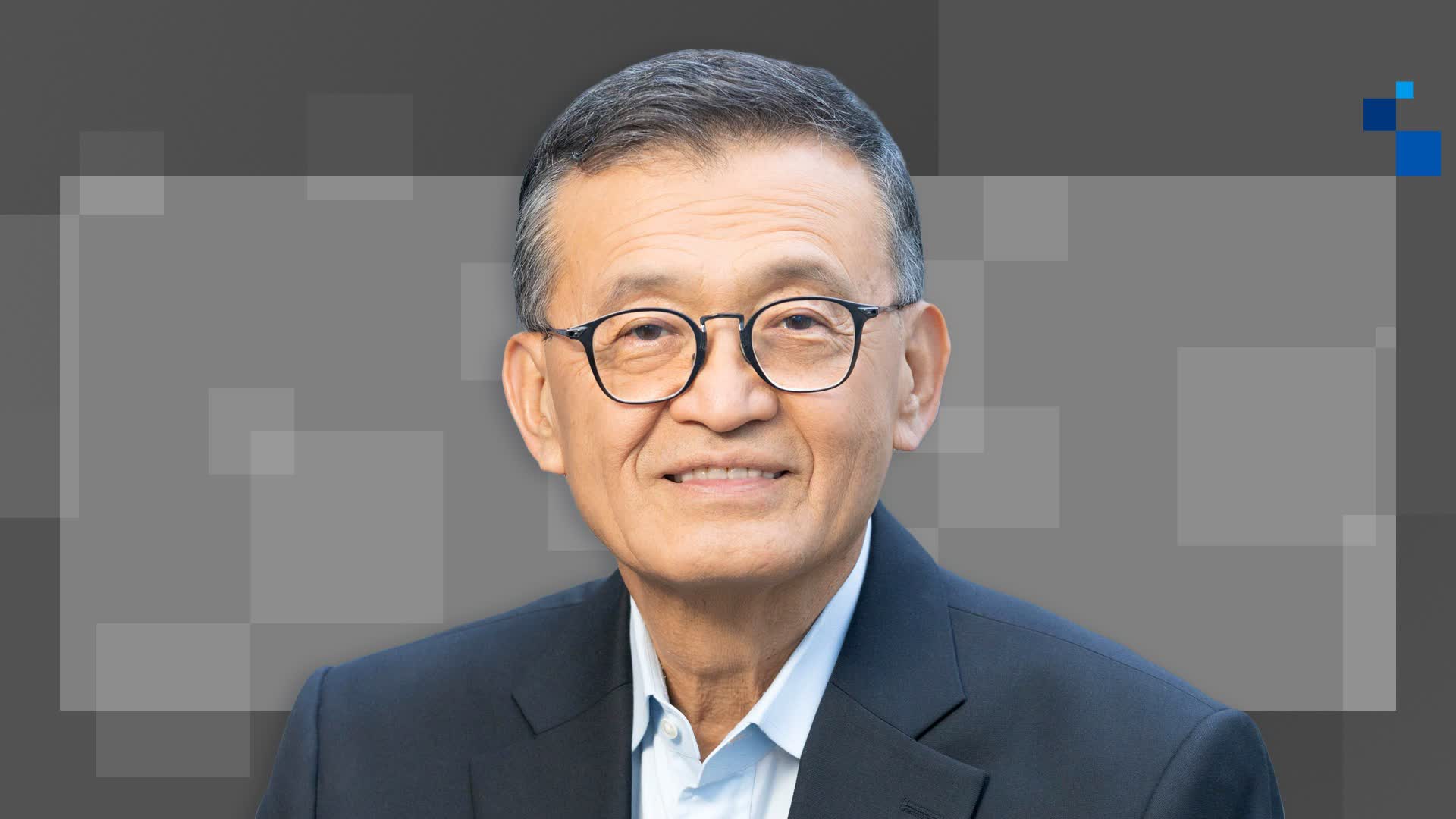
In a letter to Intel staff, Tan confirmed that the company is meeting with the Trump administration to address allegations about his ties to China. He also reaffirmed his commitment to strengthening the US position in the semiconductor industry.
The controversy began when, citing national security concerns, US Republican Senator Tom Cotton questioned Intel's board of directors about Tan's large investments in Chinese chip companies and Cadence's violation of US export laws concerning China during his time as Cadence CEO.
Cadence Design Systems recently pleaded guilty to knowingly exporting restricted electronic design automation tools and semiconductor intellectual property to China's National University of Defense Technology between 2015 and 2021. Tan led the company from 2008 to 2021 and served as executive chairman until May 2023.
Through his venture capital firm, Walden, Tan has also invested more than $200 million in advanced Chinese chipmakers. According to Reuters, none of these companies is on the US list of banned entities linked to China's military-industrial complex. Nonetheless, President Trump has called for Tan's immediate resignation.
In his letter, Tan stated that over a career spanning four decades, he has adhered to the highest legal and ethical standards while building relationships worldwide. He also emphasized Intel's critical position as the only American company manufacturing advanced chips, as the company competes with rivals from Taiwan and South Korea.
Tan noted that he has lived in the United States for more than 40 years and is committed to the nation's security and economic strength. He was born in Malaysia and educated in Singapore and the US.
He took over Intel after the company forced Pat Gelsinger to resign following billions in losses. Intel's share price has fallen sharply in recent months, its credit rating has dropped to near junk status, and the future of its semiconductor manufacturing business is uncertain.
Although Tan has pledged to continue Gelsinger's investment in Intel's 18A and 14A process nodes, which are intended to compete with TSMC's 2-nanometer nodes, he may cancel one or both if they fail to attract clients.
Intel CEO calls China ties allegations "misinformation" after Trump demands resignation


