TL;DR: The US government's decision to take nearly a 10 percent stake in Intel has unsettled shareholders, raising concerns about deeper federal involvement in private industry. Investors and policymakers must now weigh whether this is a one-time intervention or the start of a broader shift toward government ownership in key sectors.
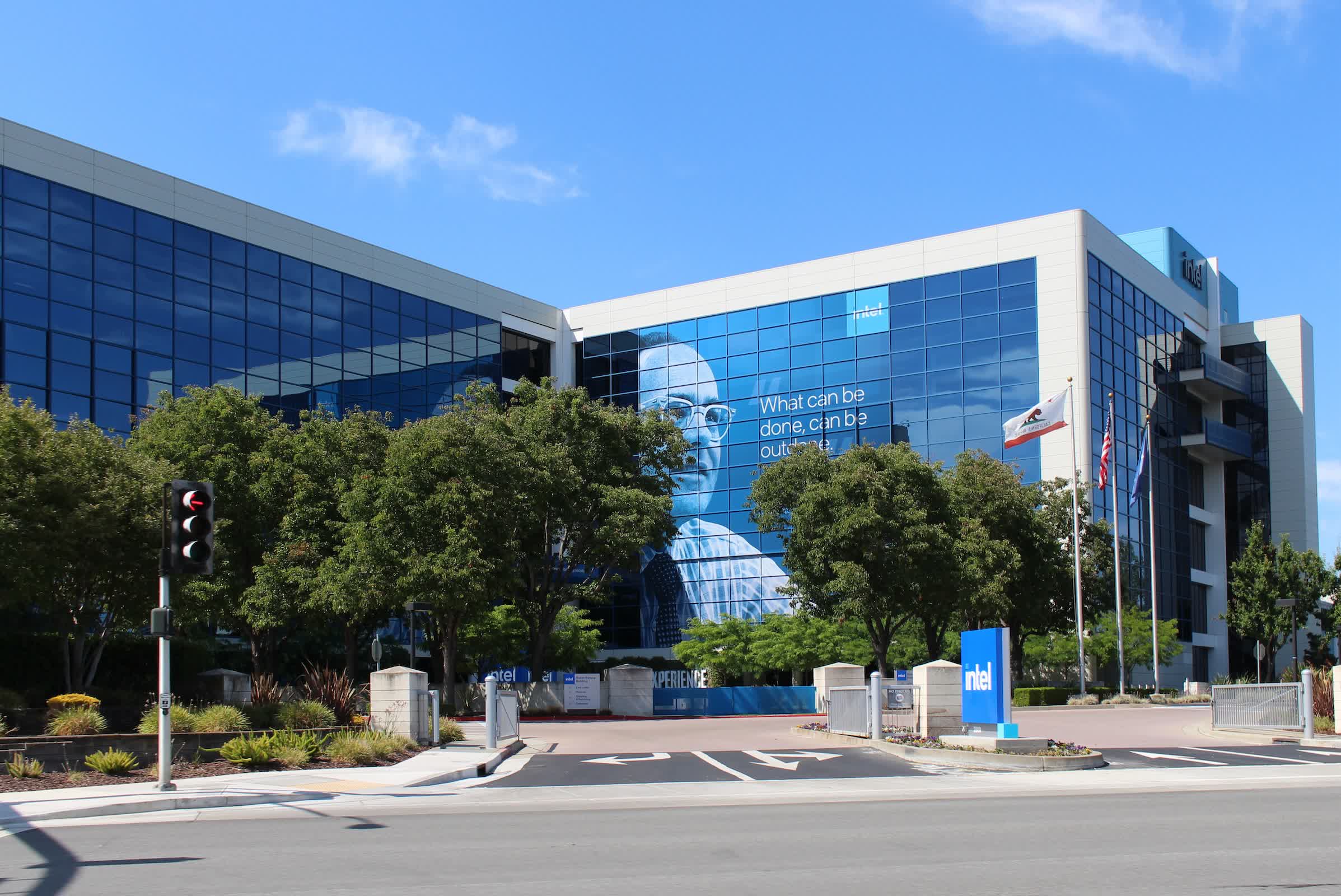
Last Friday, the White House announced that Intel will receive $11.1 billion in CHIPS Act funding in exchange for giving the Commerce Department a 9.9 percent equity stake. Reuters cites a securities filing that says the department won't get board seats, though it must support Intel's board nominees and proposals while retaining the right to vote independently on other matters.
The deal followed President Donald Trump's public criticism of Intel CEO Lip-Bu Tan and his call for Tan's resignation earlier this month. Trump later claimed on social media that Tan agreed to the terms to keep his position.
Shareholders expressed concern over the sequence of events and their implications. James McRitchie, a California-based Intel investor and governance activist, told Reuters the move sets a "bad precedent" by seeming to link ownership concessions to presidential pressure. Kristin Hull, chief investment officer at Nia Impact Capital, said she has "more questions than confidence" about how the government's stake will affect Intel's independence, noting that the deal blurs the usual separation between public and private sectors.
Institutional investors raised similar concerns. Robert McCormick, executive director of the Council of Institutional Investors, said government participation could create conflicts between national interests and corporate strategy. Rich Weiss, chief investment officer at American Century Investments, told Reuters that regulators might have to implement rules to curb risks like insider trading if federal stakes in public companies become more common.
Intel acknowledged that the agreement carries shareholder risks. In its securities filing, the company said the government's ownership dilutes existing stakes, reduces voting power, and could limit eligibility for future grants, while exposing Intel to new regulations abroad. The chipmaker also warned that international partners might view the deal as foreign state interference, potentially triggering additional subsidy laws or restrictions. Adverse outcomes could range from legal disputes to negative reactions by employees, customers, and suppliers.
"It is difficult to foresee all the potential consequences," Intel said.
Analysts remain skeptical about the financial benefits. Fitch Ratings told Ars Technica that while the deal provides liquidity, it does not change Intel's BBB credit rating – just one step above junk – or address the company's weak product demand.
The White House defended the stake, with Commerce Secretary Howard Lutnick calling it a corrective measure for what he previously described as "giveaways" of CHIPS Act grants. Lutnick also indicated that the government might consider acquiring stakes in additional defense contractors.
While rare in the US, several foreign governments – including Germany, with its stake in Volkswagen – routinely hold positions in major companies. Richard Hardegree, vice chairman of technology investment banking at UBS, noted that governments in Japan, South Korea, Taiwan, Singapore, and Italy have long supported semiconductor industries, showing that US actions are not unprecedented globally.
Some investors recognize that the deal could protect Intel from shareholder activism, but many warn that ongoing government ownership of major corporations risks edging the US toward state capitalism. One large institution, speaking anonymously to Reuters, said a single case "raises an eyebrow," but broader adoption would force investors to question why private markets are no longer supplying financing.
Intel shareholders uneasy after Washington converts CHIPS funding into ownership


