Intel's troubled 18A chip process is finally running smoothly

Skye Jacobs

Posts: 2,133   +62
Staff
Why it matters: Intel's latest manufacturing node, 18A, has moved beyond a period of yield issues and into stable high-volume production, according to a note from sell-side firm BlueFin Research Partners. For a process as important as 18A, the transition from addressing yield challenges to operating a stable production line marks a significant milestone for Intel.
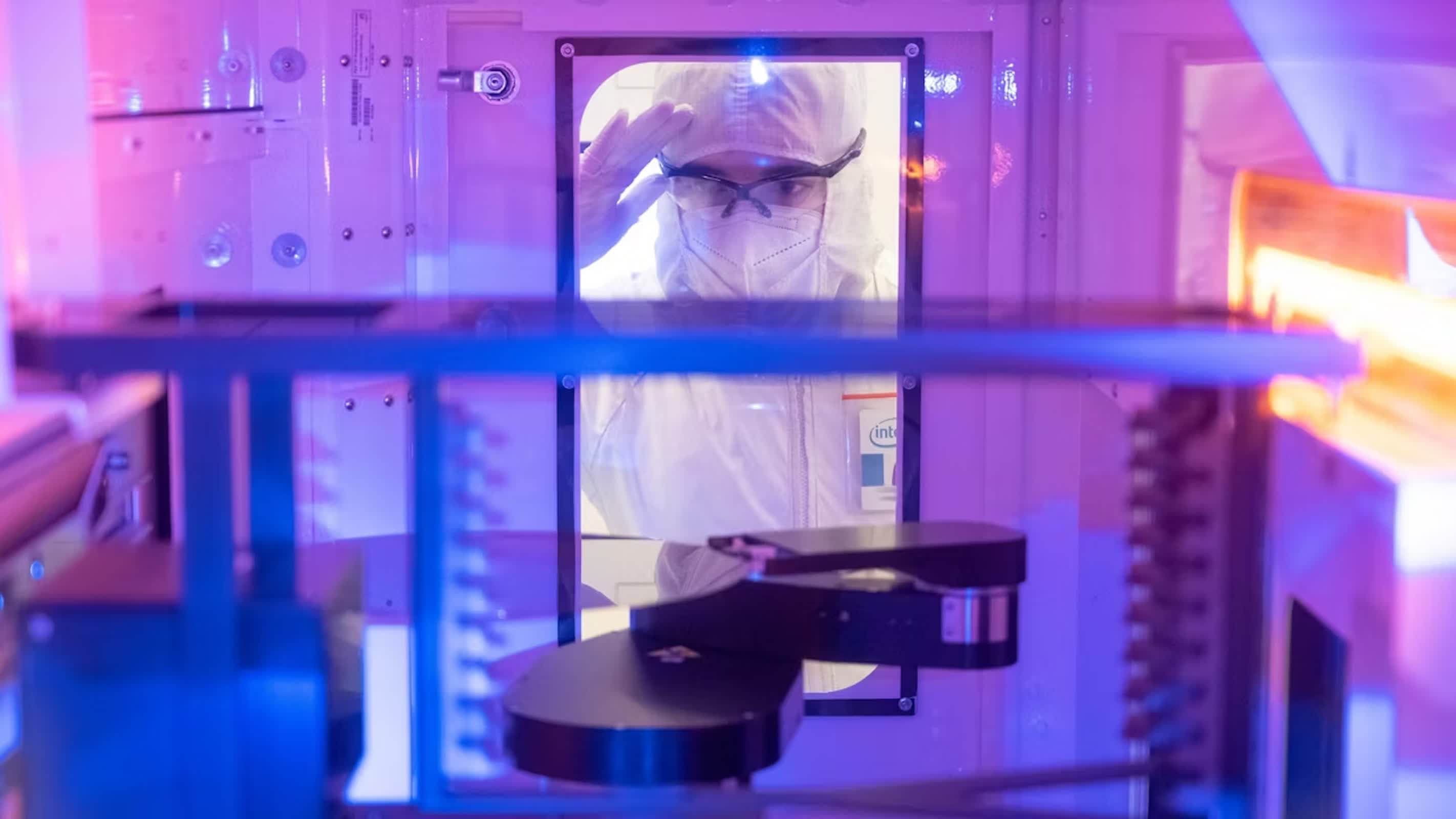
BlueFin says Intel has resolved the yield issues that had dogged 18A over the past few months, making high-volume production of its latest node sustainable from both a manufacturing and an economic standpoint. In mature nodes, defect density typically falls within the D0=0.1 to D0=0.2 range. The report suggests Intel's 18A process has likely reached the lower end of that range after several months of volume manufacturing.

Late last year, Intel said 18A yields were improving by about 7% per month, and the latest gains appear to be consistent with that trend. The improvements continued as Intel prepared and launched its first 18A product, the Panther Lake processor. After several months of high-volume production, ongoing process refinements have brought the node to a more stable state.

For now, 18A production is concentrated at two facilities: Fab 52 in Phoenix, Arizona, and another fab in Hillsboro, Oregon. Together, they produce about 30,000 wafers per month. That output is currently sufficient to meet Intel's internal demand, including Panther Lake production, but the company will need to expand capacity as more products transition to 18A. At this stage, the node remains focused on Intel's own products while the company continues refining the manufacturing process and planning for additional capacity.

Intel has started risk production of 18A-P at its D1X site in Oregon. An evolution of the original 18A process, 18A-P is slated to move to Fab 62 for long-term high-volume manufacturing once it is fully qualified. According to people familiar with the matter, Intel's foundry roadmap for external customers will focus on 18A-P, 18A-PT, and later the 14A node. 18A-PT is another variant that Intel plans to offer alongside 18A-P as part of its foundry portfolio.

Intel is also looking beyond 18A to its next-generation 14A process. Early results from sample production reportedly show a promising path forward, giving the company confidence in the node's development.

Intel plans to use the D1X fab for initial high-volume production of 14A, with its Ohio facilities serving as the second manufacturing site. For external customers, risk production is scheduled for 2028, followed by high-volume manufacturing in 2029.

Permalink to story:

 
Nice, I'm still waiting for AMD to announce a switch to Intel fabs.
Not because I think it will be better or anything, just to see the memes.

TSMC needs competition if we at least somewhat want to slow the pricecreep on electronics and this is it.
 
This sounds good. Does this translate into cheaper Panther Lake CPUs for consumers? If so, I'm all for it!

Absolutely not. This node will go towards high-performance, higher-margin next-g we need silicon (not necessarily CPUs).

Think ARM-based designs from MS, Meta, amazon for AI and cloud compute.
 
This sounds good. Does this translate into cheaper Panther Lake CPUs for consumers? If so, I'm all for it!

Absolutely not. This node will go towards high-performance, higher-margin nextgen silicon (not necessarily CPUs).

Think ARM-based designs or ASICs from MS, Meta, amazon for AI and cloud compute.
 
Absolutely not. This node will go towards high-performance, higher-margin next-g we need silicon (not necessarily CPUs).

Think ARM-based designs from MS, Meta, amazon for AI and cloud compute.
Eh? Panther Lake is *already* being produced on Intel's 18A node. The yield increases they're seeing, in fact, are coming on Panther Lake cpus.
 
True, Intel still makes its money from finished CPUs. The foundry side of the business is still struggling to sign up customers.
 
Eh? Panther Lake is *already* being produced on Intel's 18A node. The yield increases they're seeing, in fact, are coming on Panther Lake cpus.
Ignore the phrasing. I completely botched that for some frickin' reason.

What I mean is that Panther Lake won't see "cost reduction" because Intel is still trying to capture business from other companies and whatever stock they've accrued of original "low-yield" 18A silicon will be put towards Panther Lake. Improvements, however, are used to push 18A (P, P-T) to would-be customers like Apple or Nvidia (plus the custom silicon designs from AI hyperscalers) so savings aren't really "passed down" to consumers of Panther Lake.

When 18A yields are bad, Intel takes the loss as the cost of doing business. If 18A (and variants) yield improves, the price doesn't really budge just because it stops taking the L.
 
Nice, I'm still waiting for AMD to announce a switch to Intel fabs.
Not because I think it will be better or anything, just to see the memes.

TSMC needs competition if we at least somewhat want to slow the pricecreep on electronics and this is it.
Not too sure what the catalyst would be there. TSMC has intentionally kept pricing low for AMD for years . Partly to keep Intel behind the 8 ball. AMD always uses price as a weapon.
 
So the Chips are not troubled anymore.. Guess the headline needs to change. Like other cheap Panther lakes and better availability would be welcome ASAP
 
Back