Forward-looking: FugakuNEXT is a major step forward in how Japan builds supercomputers. For the first time, the country's flagship system will feature GPUs as an essential component, paired with CPUs developed by Fujitsu. Nvidia is helping design the supercomputer, using NVLink Fusion to connect CPUs and GPUs. Japan is building FugakuNEXT to handle both supercomputer simulations and AI tasks, following a worldwide shift toward combining these technologies.
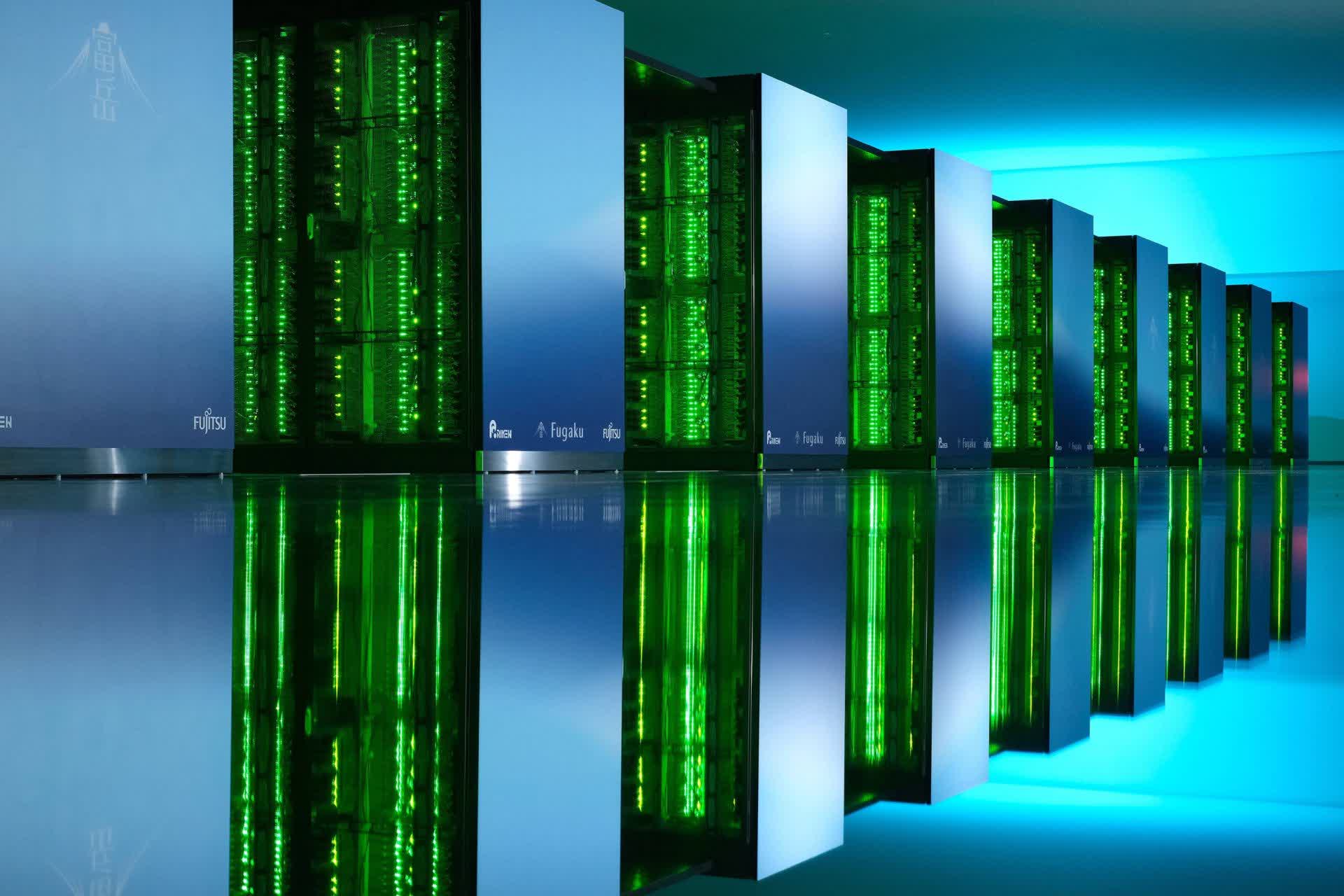
Japan's scientific community is charting an ambitious path forward in high-performance computing with FugakuNEXT, a supercomputer that aims to leap beyond current exascale systems and reach the unprecedented zetta-scale. The project, announced last week in Tokyo, brings together the expertise of Riken, Fujitsu, and Nvidia.
A series of pioneering machines mark Japan's history in supercomputing. From the Earth Simulator that debuted in 2002, to the K computer launched in 2011, and then Fugaku – which first came online in 2020 – each of these national flagships once led the world in computational speed.
Fugaku played a pivotal role during the pandemic, supporting research and policy through its simulations. While the supercomputer currently ranks seventh globally, Japan's attention is focused on future challenges and opportunities in computation.
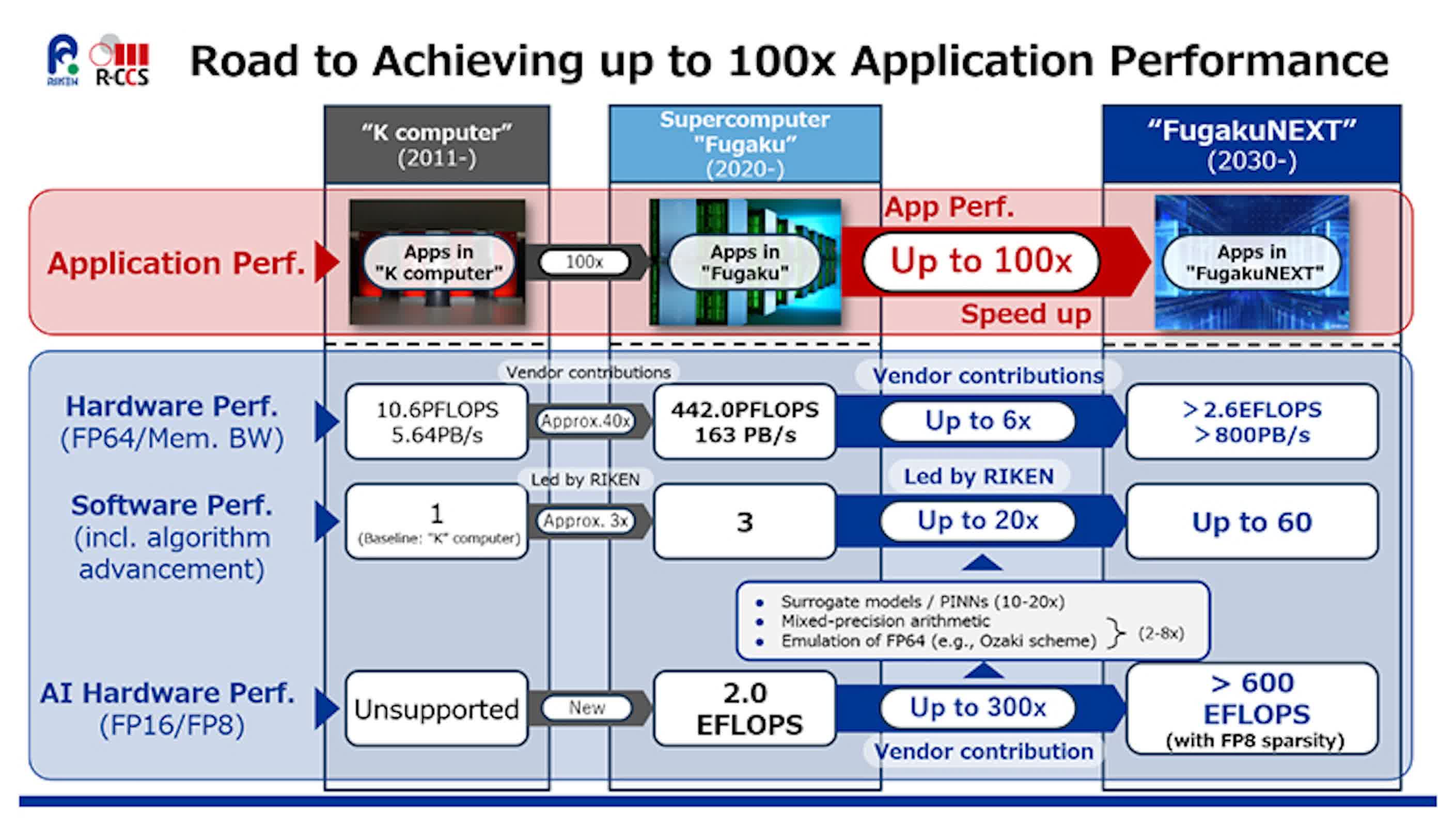
Riken has established clear performance targets. FugakuNEXT is designed to deliver a fivefold increase in raw hardware capability over Fugaku, enabled by both hardware advances and software innovations such as mixed-precision computing and physics-informed neural networks. The expected outcome is a hundredfold boost in practical performance for scientific applications, all within the same energy footprint – about 40 megawatts – that powered Fugaku.
Key to FugakuNEXT's projected capabilities is the development of Fujitsu's MONAKA-X CPU, which builds on previous architectures to offer high scalability and energy efficiency. This CPU is complemented by Nvidia's GPU infrastructure, optimized for parallel processing and memory bandwidth, and intended to support advanced AI and scientific applications. The system is anticipated to reach peaks of around 600 exaFLOPS in FP8 sparse precision, edging toward the distinction of being the world's first zetta-scale supercomputer.
Beyond hardware, Riken and its partners are prioritizing progress in software and algorithms. Planned innovations include leveraging low-precision hardware for high-precision tasks, implementing surrogate modeling, and exploiting physics-informed neural networks to replace more traditional, computationally demanding methods.
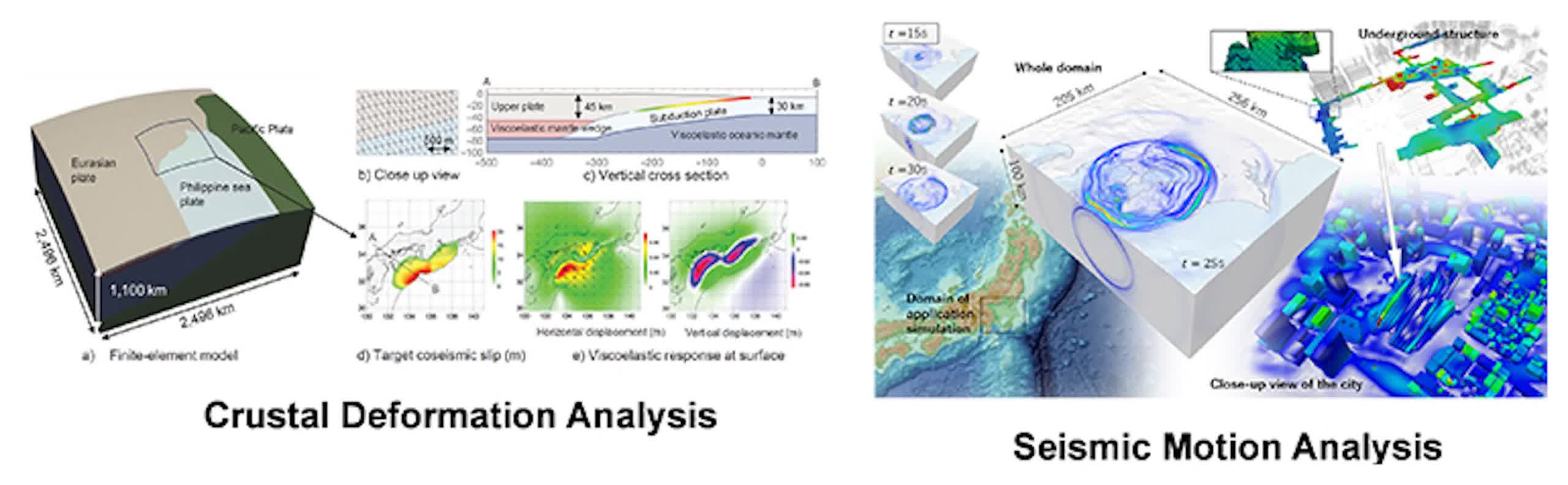
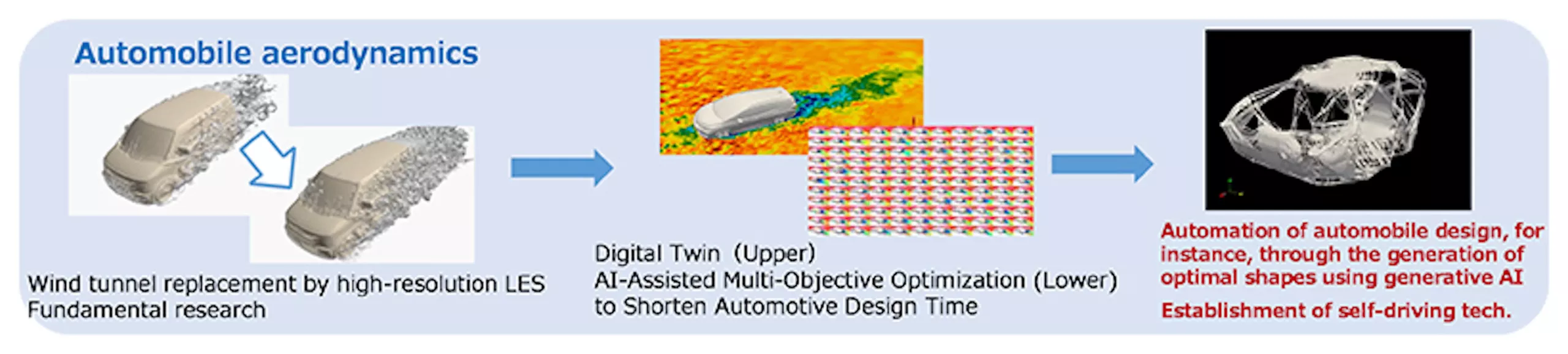
The Japanese government regards FugakuNEXT as a means to drive advancement in domestic semiconductor technology, secure national sovereignty in AI and HPC platforms, and elevate Japan's global status in science and technology. Riken is building international partnerships, notably with the US Department of Energy, to develop a broader AI-HPC ecosystem. The initiative also aims to support applied research in critical areas such as disaster resilience, climate modeling, and advanced manufacturing.
FugakuNEXT's basic design is scheduled for completion by early fiscal year 2026, with international collaboration driving detailed development and software co-creation. Plans include an open-access cloud ecosystem, where software, AI models, and applications can be deployed and tested before full-scale rollout.
Japan's FugakuNEXT marks shift from pure CPU supercomputing to GPU-CPU collaboration


