
WTF?! Popular prediction market Kalshi has fined and suspended three US political candidates for placing bets on the outcome of their own elections during primary campaigns. One of the candidates, Mark Moran, who previously appeared on a reality dating show, claims he placed the bet on purpose to prove that these types of betting sites are "dangerous to our democracy."
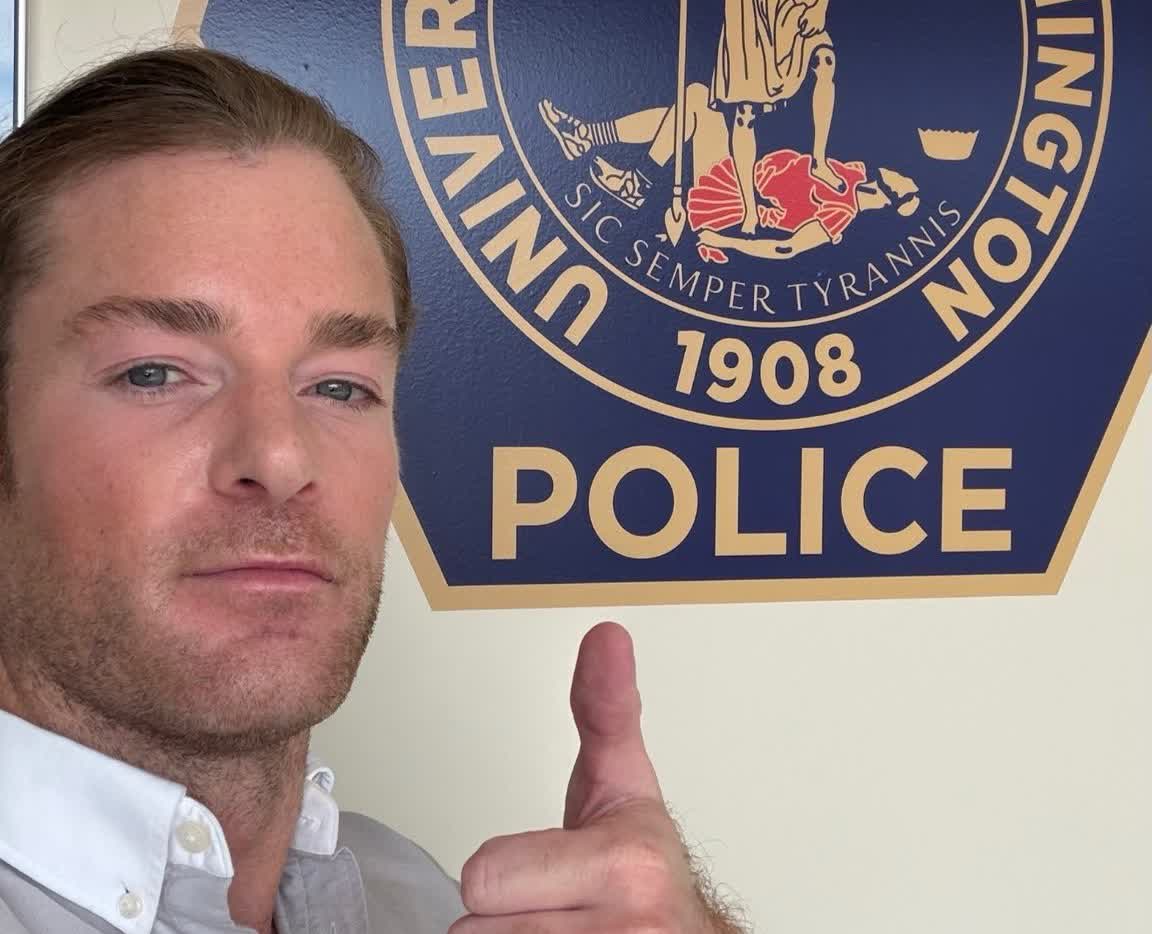
Kalshi says the instances of political insider trading were flagged because of its newly released safeguards that block political candidates from trading on their own elections. In addition to Moran, the other two identified candidates were Matt Klein, who is running in the Democratic primary for Minnesota's 2nd Congressional District, and Ezekiel Enriquez, who ran in the Republican primary for Texas' 21st Congressional District.
But it's Moran's case that is getting the most attention. The Virginia independent running for Senate doesn't deny placing a $100 Kalshi bet on himself. He says the 10 orders he placed on his own name on the market "Who will run for public office this year?" were "simply to call attention to the fact that an entire election can be bought."
"Any candidate with enough money" can sway prediction markets, he said.
Speaking to the New York Times, Kalshi's head of enforcement, Bobby DeNault, said Moran cooperated with his investigation at some point and "acknowledged that these trades were improper and in violation of the Kalshi exchange rules," but "repeatedly refused to resolve this matter via settlement and stopped responding to further correspondence." He was fined $6,229.30, much more than the other two candidates. Moran told the Times, "They wanted me to make a public statement, a tweet, that was acknowledging this," which he says he viewed as participating in Kalshi's marketing.
Moran says he was inspired to make the bets after noticing what he believed was market manipulation on Polymarket related to the New York mayoral race in 2025. The candidate insists he knew the public would find out about the bet and that it would help expose prediction markets as being "dangerous to our democracy." He said the $100 he spent was worth it for the attention it drew to his race. "Because in politics, money buys attention, but I know how to get it organically. It only cost $100 to get you on the phone, right?" he said.
– Mark Moran for U.S. Senate (@itsmarkmoran) April 23, 2026
Investment banker Moran previously appeared on the reality dating show FBoy Island.
Democratic state senator Matt Klein took a different approach to his explanation. He said he was simply curious about how prediction markets work and did not realize that he was breaking any rules. "I set up an account and bet $50 of my own funds that I would win the primary," he wrote in a statement on X. "I was informed in March of 2026 that this was a violation of the platform rules. In compliance with their request, I paid a penalty and agreed to be suspended from the platform. That was the only wager I have ever made on a prediction market." "This was a mistake, and I apologize."
Enriquez also settled with Kalshi. The company said the Texas Republican candidate traded a slightly larger amount on the outcome of his own election than Klein, but still a relatively small sum. He was fined $784.20 and, like the others, suspended from the platform for five years.
Kalshi said Klein negotiated a settlement after being alerted to the violation, paying a $539.85 fine. The company said Enriquez was fully cooperative and agreed to settle after acknowledging the rule violation.
Prediction markets continue drawing scrutiny from lawmakers and regulators over the potential for insider trading and manipulation. Kalshi said more serious violations can be referred to the CFTC or Justice Department for investigation and prosecution, though it added that this did not happen here.
Kalshi fines candidates for betting on their own elections, but one says he wanted to get caught


