Kawasaki unveils world's first gas engine fueled by a 30% hydrogen blend

Skye Jacobs

Posts: 2,010   +58
Staff
The takeaway: Kawasaki Heavy Industries has begun accepting orders for the world's first gas engine designed to run on a 30 percent hydrogen blend, marking a cautious step toward hydrogen-fueled power that doesn't require a total rebuild of existing energy systems. The engine, part of the company's KG series, became available for orders in late 2025 after nearly a year of operational testing at Kawasaki's Kobe works facility.
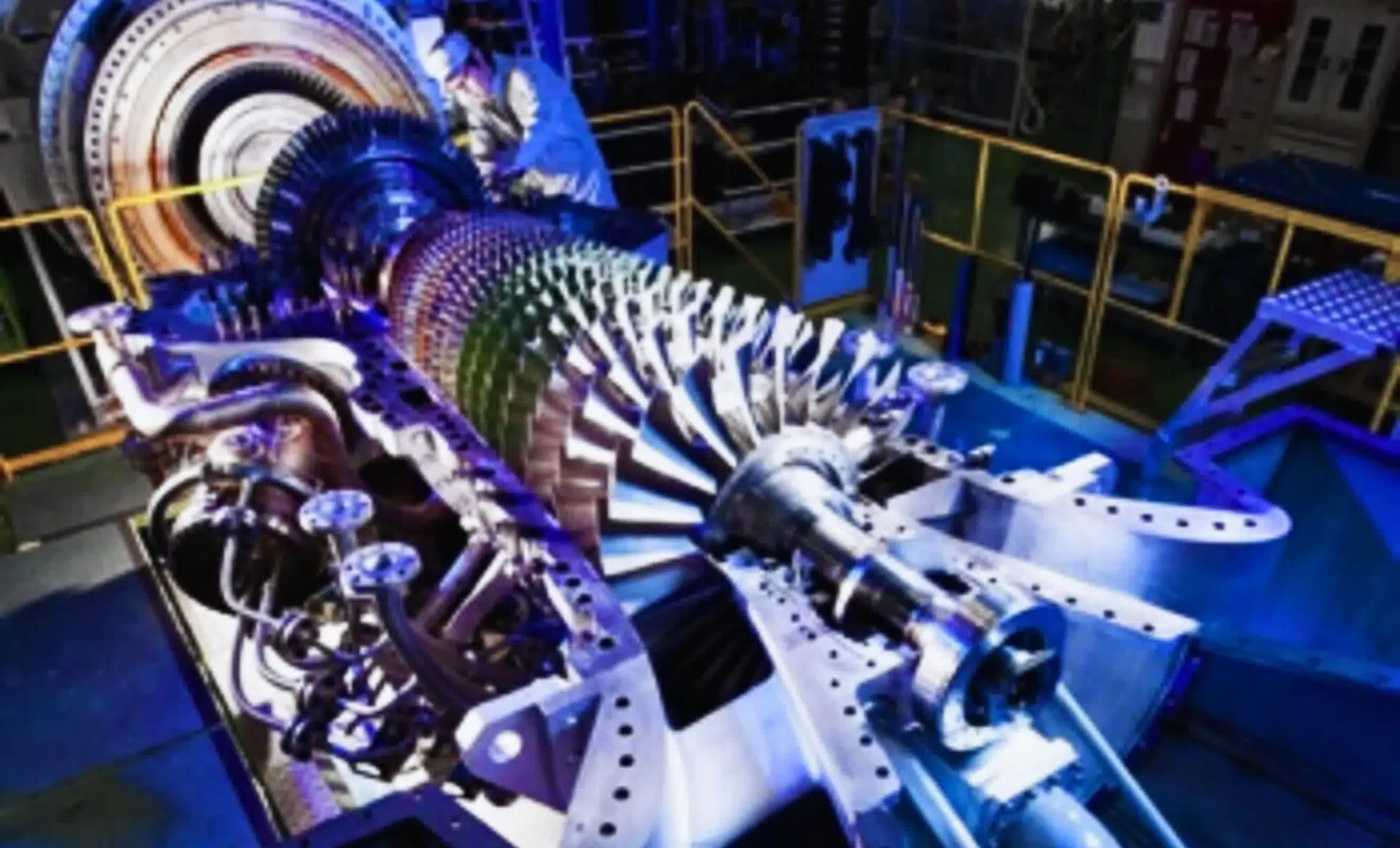
The verification campaign ran from October 2024 through September 2025. Engineers examined how hydrogen could be safely integrated into existing gas infrastructure while monitoring issues such as seal integrity, thermal efficiency, emissions, and metal fatigue.

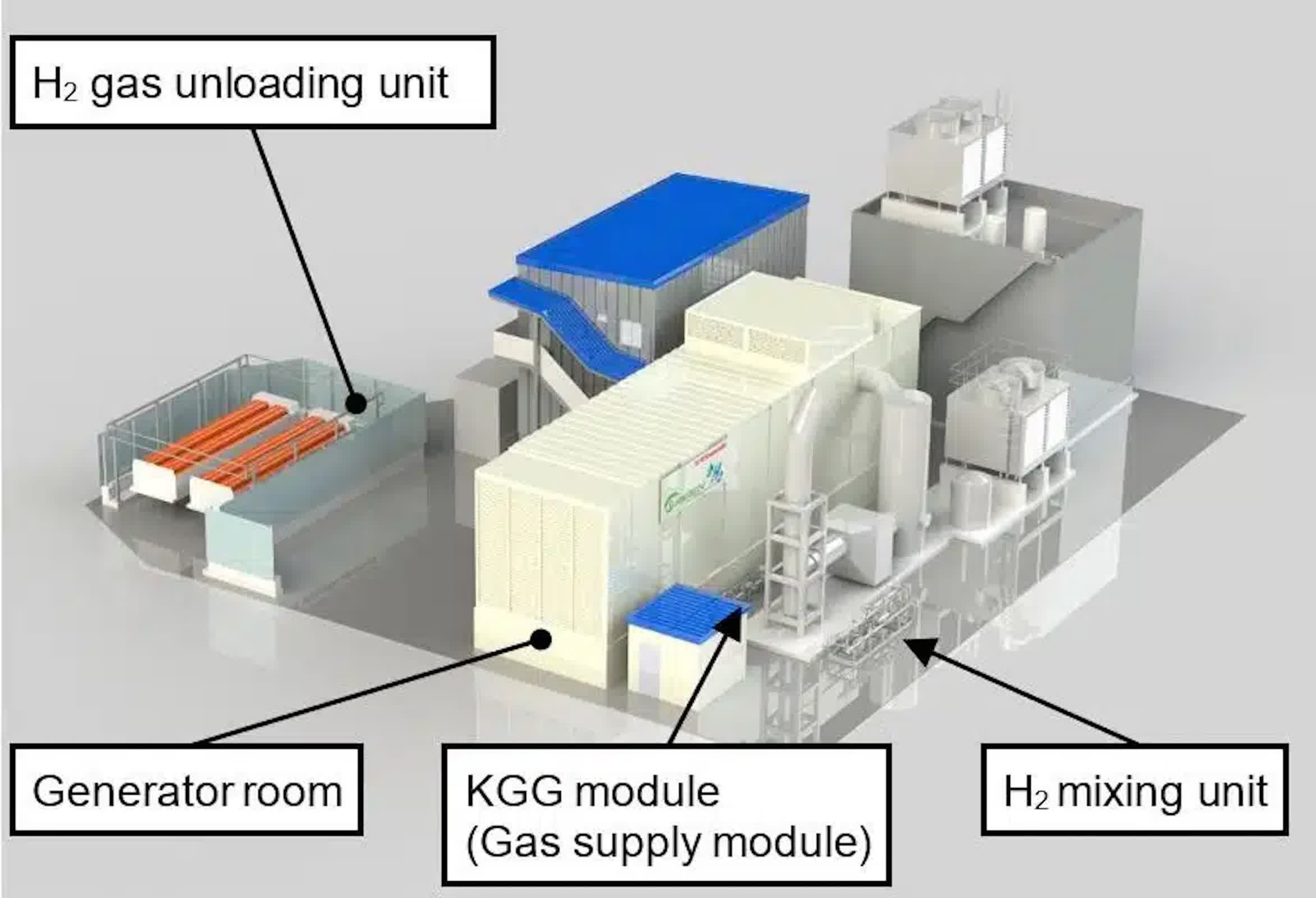
Hydrogen's distinct properties – small molecular size, high diffusivity, and broad ignition range – require specialized safety systems, including distributed leak detectors and nitrogen purging mechanisms, to prevent accidental combustion.

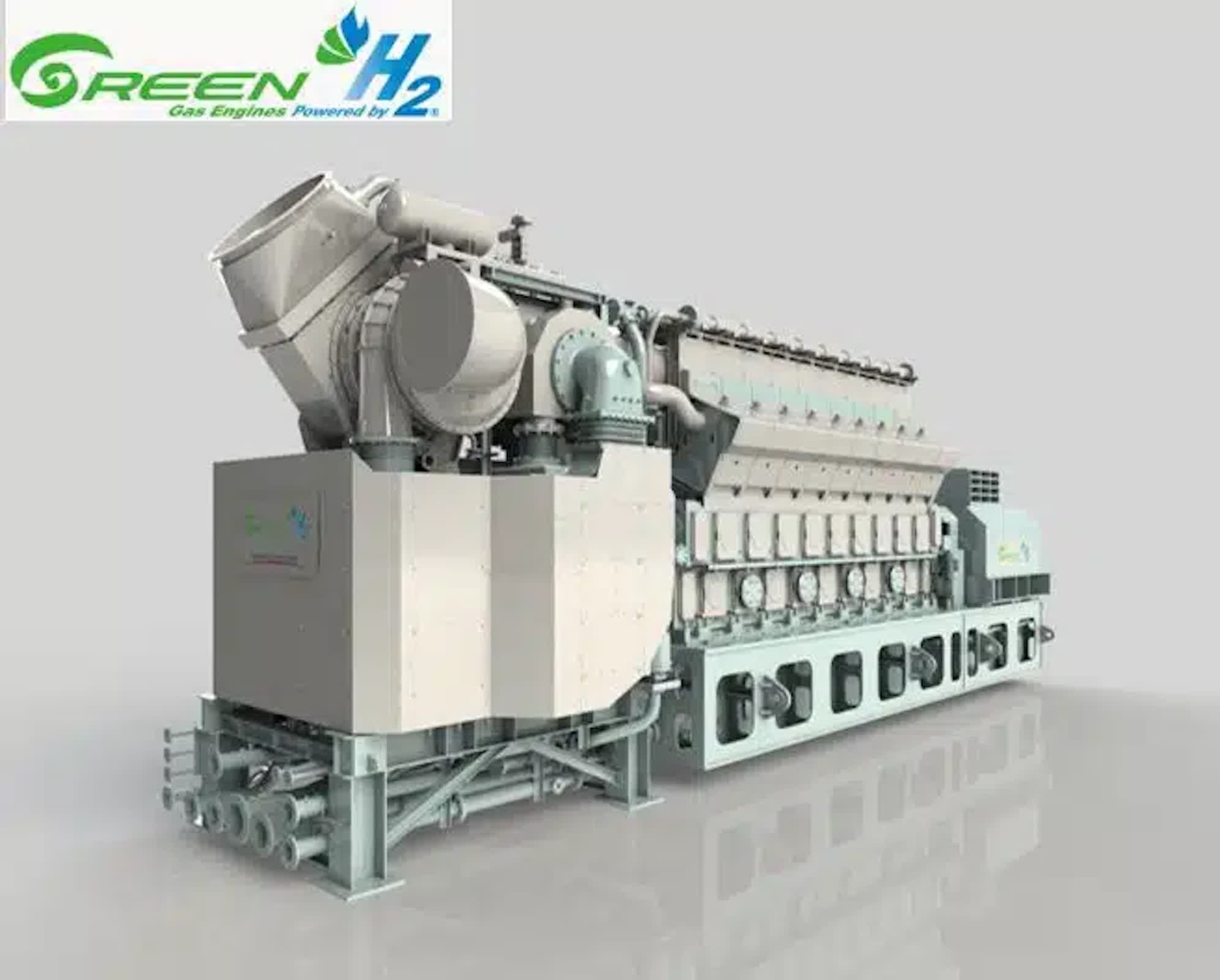
What sets the KG series apart isn't a radical new combustion concept but its compatibility with legacy pipelines and equipment. It can burn fuel composed of up to 30 percent hydrogen by volume alongside natural gas without altering distribution lines or storage tanks.

That "drop-in" adaptability gives operators a pathway to reduce emissions immediately, even before a mature hydrogen economy emerges. Older versions of the KG platform, introduced in 2011 and installed worldwide, can also be retrofitted to match the new hydrogen co-firing specification – a practical extension of existing assets rather than a costly restart.
Despite its technological readiness, the engine arrives ahead of its fuel supply. Japan still imports nearly all of its energy, and the infrastructure for large-scale hydrogen logistics remains under development.

Kawasaki is investing in that supply chain as aggressively as it is in the hardware to consume it. In late 2025, the company and its partner, Japan Suiso Energy, broke ground on the Kawasaki LH2 Terminal in Ogishima, planned as the country's first large-scale liquid hydrogen import and storage hub.

Expected to begin operation by 2030, the facility will include a 50,000-cubic-meter cryogenic tank – billed as the largest in the world – alongside marine and truck loading systems. It complements Kawasaki's ongoing work on a new 40,000-cubic-meter hydrogen carrier vessel, a major leap from the smaller Suiso Frontier prototype that completed Japan's first hydrogen import trial from Australia in 2022.

Kawasaki's pursuit of hydrogen power extends beyond land-based generation. In October 2025, the company, along with Yanmar and Japan Engine Corporation, successfully completed land-based tests of hydrogen maritime engines, validating stable combustion in medium-speed four-stroke configurations.

Japan Engine is following with a low-speed two-stroke design targeted at main propulsion for cargo ships, scheduled for initial operation in spring 2026. All three models support dual-fuel operation, switching between hydrogen and diesel – a practical hedge given the uneven global distribution of hydrogen refueling infrastructure.
The project is funded by Japan's Green Innovation Fund, a government initiative worth roughly 2 trillion yen (about $13 billion) managed by NEDO, the New Energy and Industrial Technology Development Organization.

Together, these efforts represent Japan's pragmatic approach to energy transition: hybridizing rather than replacing, adjusting existing systems to handle the fuel of the future one percentage point at a time. For now, early buyers of Kawasaki's KG series face a reality check. Without an abundant hydrogen supply, they can either pay a premium for limited local production, operate exclusively on natural gas, or simply wait for the infrastructure to catch up. But when that network eventually materializes, their generators will already be ready to burn something cleaner.

Permalink to story:

 
There's no momentum behind these. Whatsoever. It could've been interesting, maybe, a decade ago. Not anymore. You lack the means to produce and transmit hydrogen, so it's pointless to theorize about how you could use at the endpoint. Not gonna happen.
 
They are getting orders because they are selling a unit that can produce electricity.

I doubt any of their customers will actually add hydrogen to the nat.gas. Hydrogen is an unnecessary complication - it's dangerous and hard to store. The role of hydrogen is totally different here.

What Kawasaki is selling is a climate-hysteria-compatible gas turbine. The theoretical possibility to use partly hydrogen allows to pretend it's aligned with "climate goals" and benefit from the humongous wasteful spending associated with that.
Given the sharply falling levels of climate hysteria in the developed world, Kawasaki missed the optimal launch window. But the good news is, there are plenty of data centers to power.
 
There's no momentum behind these. Whatsoever. It could've been interesting, maybe, a decade ago. Not anymore. You lack the means to produce and transmit hydrogen, so it's pointless to theorize about how you could use at the endpoint. Not gonna happen.
This is more about creating a hydrogen economy than some revolutionary new economy. The main way we collect hydrogen is actually from drilling natural gas, but lots of it is just let go as a harmless waste product instead of collected. This will give more companies a reason to collect and sell hydrogen. After that, things like making hydrogen using electrolysis with excess green energy becomes financially viable because there is a market for it. We produce so much green energy that we often have to shut solar and wind plants off because there is nowhere for it to go and grid scale batteries aren't really the answer and likely won't be financially viable until sodium ion batteries are a thing.

But there needs to be a larger demand for hydrogen for a hydrogen economy to exist and cheaply modifying exist gas turbines to run on hydrogen, well, that could be a step forward. Will it work? Who knows, but the Japanese seem to think it will
 
This is more about creating a hydrogen economy than some revolutionary new economy. The main way we collect hydrogen is actually from drilling natural gas, but lots of it is just let go as a harmless waste product instead of collected. This will give more companies a reason to collect and sell hydrogen. After that, things like making hydrogen using electrolysis with excess green energy becomes financially viable because there is a market for it. We produce so much green energy that we often have to shut solar and wind plants off because there is nowhere for it to go and grid scale batteries aren't really the answer and likely won't be financially viable until sodium ion batteries are a thing.

But there needs to be a larger demand for hydrogen for a hydrogen economy to exist and cheaply modifying exist gas turbines to run on hydrogen, well, that could be a step forward. Will it work? Who knows, but the Japanese seem to think it will
Splitting water with Electrolysis is massively energy intensive, and it takes more energy to do then you can make from the hydrogen that results. You'd be better off using that electricity from the green sources as, well, electricity.

You can't fight entropy.
 
Splitting water with Electrolysis is massively energy intensive, and it takes more energy to do then you can make from the hydrogen that results. You'd be better off using that electricity from the green sources as, well, electricity.

You can't fight entropy.
Well, they are arguing for hydrogen to be used to store surplus energy, if you happen to have a really sunny & windy day and are producing more power than is needed at the moment. That said, even for that use case I am skeptical that hydrogen would make any sense. Hydrogen is just such a pain to work with, needing specialized storage containers and pressurization systems (and just pressurization is a big waste of energy) and ends up being expensive. If there is a surplus of solar/wind electrical energy at certain times of day, setting up pumped storage at existing dams probably makes more sense.
 
Splitting water with Electrolysis is massively energy intensive, and it takes more energy to do then you can make from the hydrogen that results. You'd be better off using that electricity from the green sources as, well, electricity.

You can't fight entropy.

All energy storage solutions aren't very inefficient. Hydrogen has several problems, but it does have relatively better energy density and much better portability than other forms of energy storage.

Yes, keeping electricity as electricity is the best, but often that is not viable and it needs to be stored in some form. So we might as well go with a range of storage mediums that suit our needs rather than being dogmatic and ideological about it.
 
Splitting water with Electrolysis is massively energy intensive, and it takes more energy to do then you can make from the hydrogen that results. You'd be better off using that electricity from the green sources as, well, electricity.

You can't fight entropy.

Solar and wind have the problem of energy storage. All that excess energy might be used to turn water into hydrogen, thus creating a form of dense energy storage for renewable energy.
 
Hydrogen is the next unobtanium the existing fossil gang wants to sell you, at a good markup.
Electrons are liberating, when you can source them from sunlight on your own.
 
Hydrogen is the next unobtanium the existing fossil gang wants to sell you, at a good markup.
Electrons are liberating, when you can source them from sunlight on your own.
Solar and wind have the problem of energy storage. All that excess energy might be used to turn water into hydrogen, thus creating a form of dense energy storage for renewable energy.
 
Back