Editor's take: Thanks to Big Tech and Sam Altman's dreams about AGI, DRAM and other memory chips are undergoing some ungodly levels of price hikes. However, the portable computing business seems to be well-equipped to weather the storm – at least for the next year.
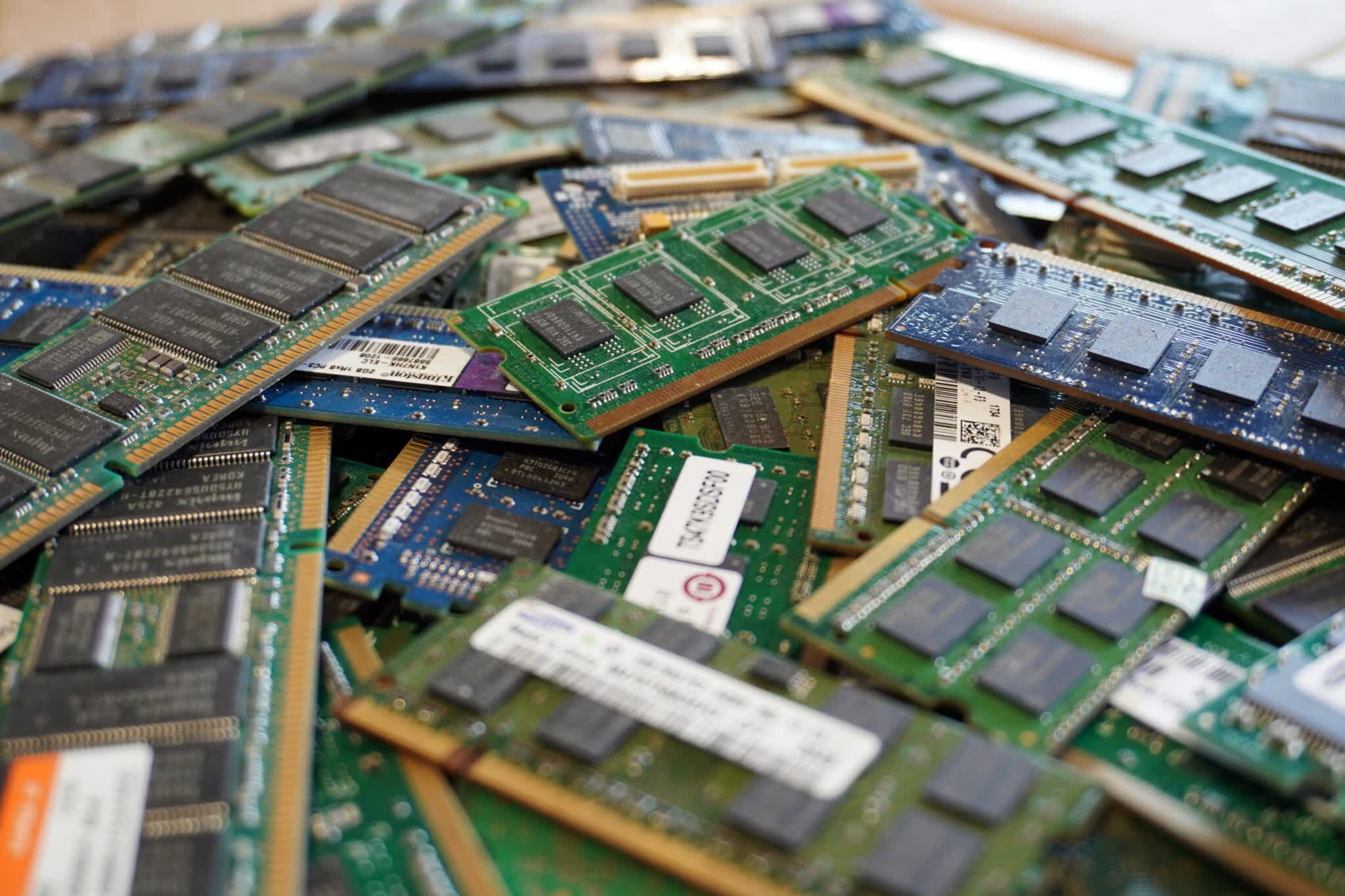
In a recent interview, Intel said the laptop market is likely to emerge mostly unscathed from the memory chip shortage driven by the AI data center craze. Some analysts had predicted sharp price increases or the possibility of downgraded specs for upcoming laptop models. According to Intel, however, things should remain largely stable for now.
Nish Neelalojanan, Intel's senior director of product management, said OEMs have built up enough inventory to last 9 to 12 months. Laptop manufacturers relying on Intel platforms have secured sufficient components to ride out the DRAM crunch, a buffer that should ultimately benefit consumers.
"If anyone could predict the memory market, they would be rich by now," Neelalojanan joked during the interview.
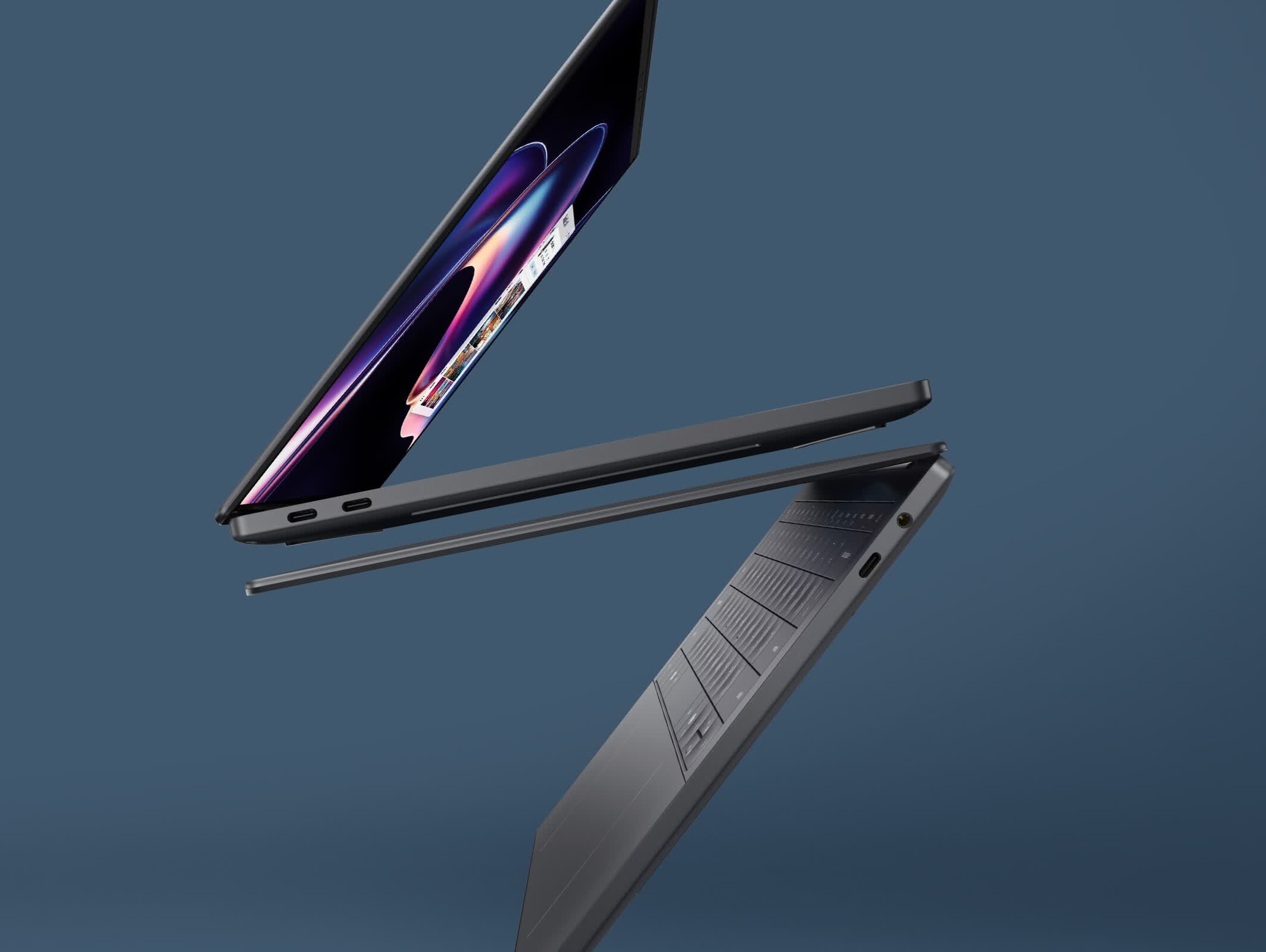
That said, OEMs aren't relying on clairvoyance. Neelalojanan explained that PC makers typically plan years in advance, locking in supply well ahead of product launches. As a result, current inventories are helping insulate the industry from supply chain disruptions, allowing new laptops to launch largely on schedule.
When Dell introduced its latest XPS models earlier this month, some observers speculated that the new machines carried significantly higher prices than their predecessors. Dell later clarified that the initial launches focused on high-end configurations, with more affordable variants set to arrive in the coming weeks.
Neelalojanan also pointed to additional steps the industry is taking to cope with memory constraints. He highlighted changes in Intel's upcoming Core Ultra Series 3 processors, including a larger shared L3 cache: 18MB accessible by both performance and efficiency cores, designed to boost performance and reduce reliance on system memory.
Microsoft, too, is reportedly pushing a renewed efficiency message. The company is developing new tools that give software developers more precise insight into how their applications actually consume system RAM.
Many Windows users are well aware that the platform is currently struggling with reliability and efficiency issues, making Intel's sudden emphasis on optimization feel ironic.
As a result, some are now predicting – or even hoping – that the AI bubble will burst in 2026, forcing the industry to refocus on real customer needs. As Dell recently acknowledged, very few consumers are purchasing "AI PCs" because they have dedicated AI components, finding the features somewhat confusing or irrelevant compared with performance, battery life, and other practical factors.
Laptop makers have about a year of memory stock to ride out the RAM crunch, Intel says


