Forward-looking: Defense contractors are eagerly awaiting a new class of laser-based weapons to enter active combat service. Kent-based PowerLight Technologies, however, is focused on a very different challenge: using lasers to transmit power rather than deliver destructive force.
PowerLight recently confirmed that its laser-powered technology is approaching a crucial phase in its development cycle, with real-world deployment capabilities for the US Army now in sight. The company has successfully tested the system's core components, which are designed to wirelessly recharge drones while they remain airborne.
The program is being developed under the Power Transmitted Over Laser to UAS initiative and is supported by United States Central Command (CENTCOM). PowerLight's technology can deliver "kilowatt-class" power over distances of up to two kilometers, potentially enabling the Department of Defense to operate drones with effectively unlimited flight endurance.
According to the company, this capability would allow for "unlimited" mission duration through a direct and efficient power link with compatible unmanned aircraft systems. Tom Nugent, PowerLight's CTO and co-founder, said the technology could eventually enable a new kind of intelligent, mesh-based energy network capable of wireless power distribution.
In its most recent tests, PowerLight confirmed that the core infrastructure behind its laser-based power system performs reliably. A precision, optics-based tracking system is able to maintain a lock on long-range unmanned aircraft systems at distances of up to 1.5 kilometers, delivering power in a controlled and safe manner.
An onboard receiver captures the invisible laser beam, converting the light into electrical energy to recharge the drone's batteries. The receiver also includes a control module capable of recording telemetry data and managing bidirectional optical communications with a ground-based station.
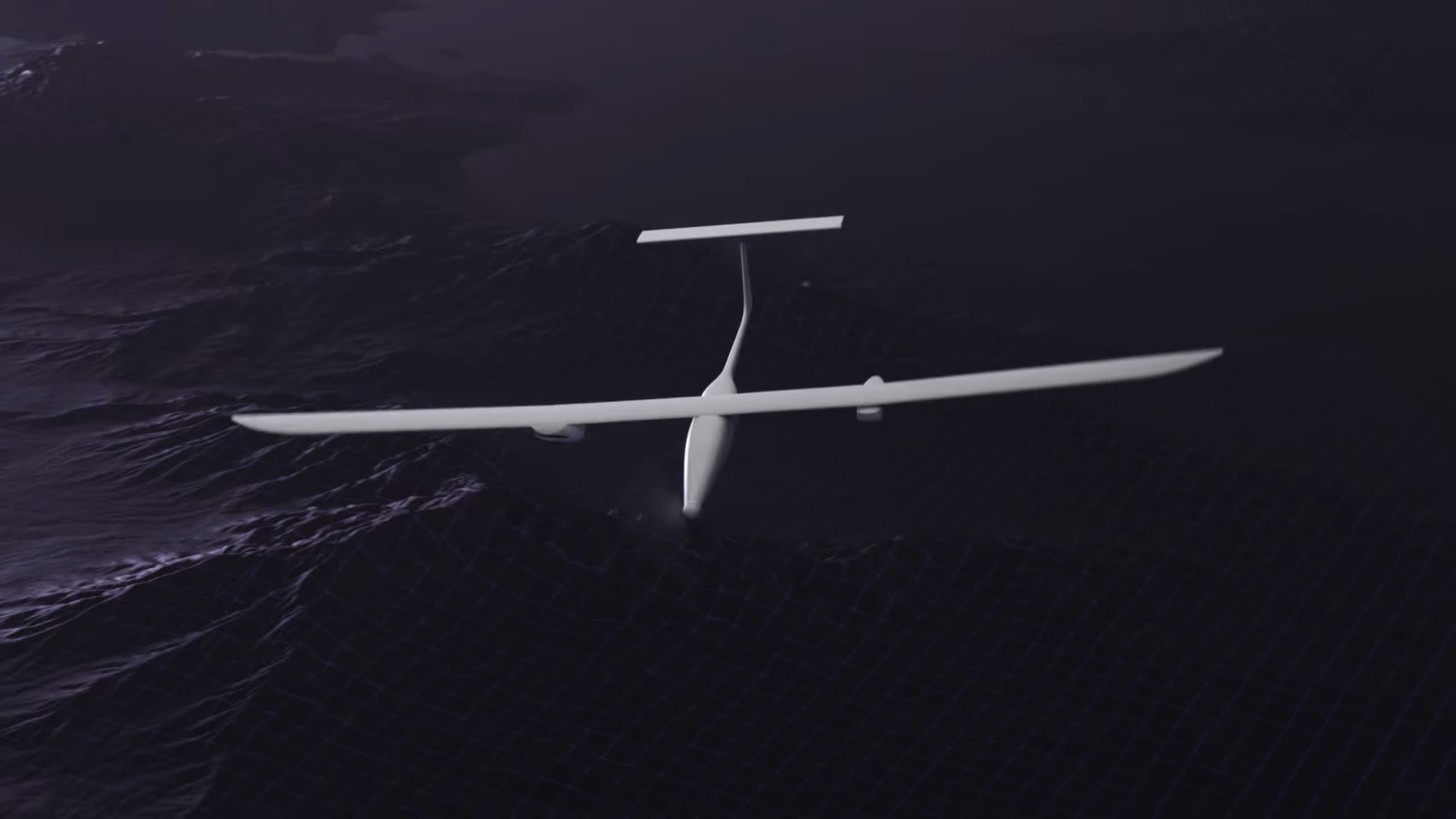
PowerLight collaborated with Kraus Hamdani Aerospace to integrate the technology into the company's K1000ULE long-endurance drone. Kraus CEO Fatema Hamdani said the K1000ULE was already designed to significantly extend autonomous flight durations, but PowerLight's system allows the aircraft to remain airborne for effectively unlimited periods.
According to Nugent, PowerLight has now successfully tested both the hardware and control software required to track a UAS and deliver kilowatt-level power for in-flight recharging. With the system's core components validated, the company plans to demonstrate a fully integrated flight infrastructure later this year.
CENTCOM is closely watching the program to determine whether the technology can deliver on its promises. The Department of Defense has spent years exploring laser-based systems as a way to enhance both offensive capabilities and broader operational effectiveness.


