Big quote: Shanghai-based Hesai Technology is the world's leading supplier of lidar sensors – a critical component that helps autonomous vehicles "see" their surroundings. CEO David Li recently warned that the road to fully self-driving cars will be far slower than many in the industry expect, citing significant societal and regulatory hurdles. He noted that public tolerance for fatal accidents involving self-driving cars remains near zero, far lower than the acceptance of traffic deaths caused by human drivers.
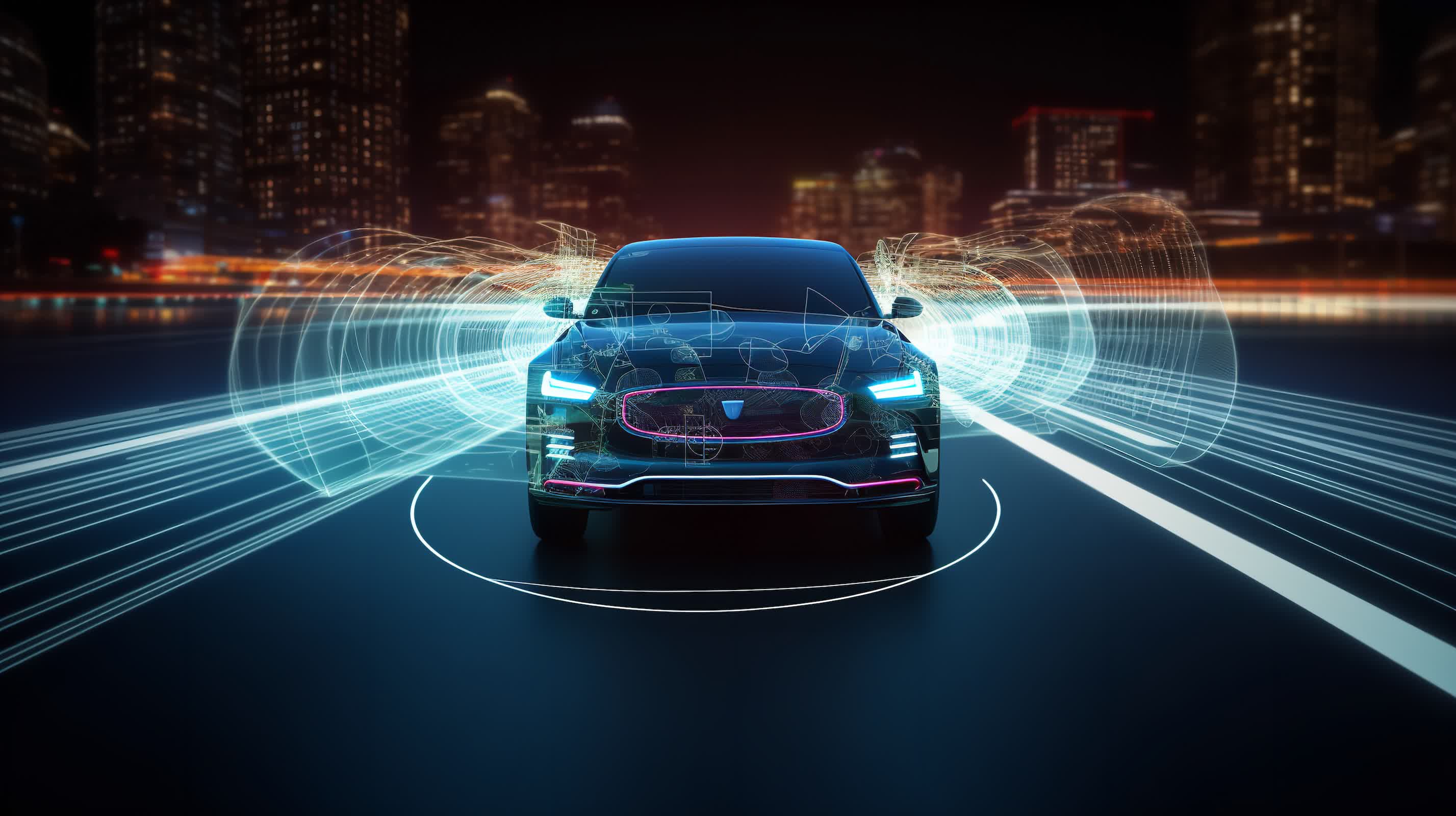
Li told The Financial Times that while nearly one million people die in road accidents each year, a company building a vehicle responsible for even a single death annually could face existential backlash.
"Close to one million people lose their lives every year to car accidents. If a technology company builds a vehicle that kills one person every year, that's one-millionth of the difference, but it will have trouble to survive," he said ahead of Hesai's secondary listing in Hong Kong.
At the same time, the industry is investing heavily in autonomous technology. Companies including Tesla and Waymo, a subsidiary of Alphabet, have launched fleets of robotaxis in the United States, while in China, Baidu, Pony.ai, and WeRide are piloting commercial services.
Carmakers have also integrated semi-autonomous features into consumer vehicles, although Beijing recently moved to restrict their use following a fatal crash involving a Xiaomi SU7 sedan earlier this year. "We have a very low tolerance when they make a mistake," Li said, adding that the technology faces not only engineering tests but also "a social question, a regulatory question, a political question."

David Li, right
Hesai, founded in 2014, already controls more than one-third of the global lidar market for cars and is expanding its presence as a supplier to the robotics industry. The company raised US$535 million in its Hong Kong offering this week, with shares climbing almost 10 percent to HK$234 on debut.
The share sale was backed by China International Capital Corporation, Guotai Haitong, and CMB International Capital, with cornerstone investments from Hillhouse Capital and Southeast Asian superapp operator Grab. Hesai said proceeds will go toward research, factory expansion, and automation initiatives.
The company previously raised $190 million in a 2023 IPO in New York. Dual listings have become increasingly common among Chinese technology companies in recent years as they hedge against political and regulatory risks in the United States.
Hesai has faced scrutiny from the Pentagon over alleged links to China's military, but Li said the move to Hong Kong was not driven by fears of a forced delisting in New York. "There's always rumours, but we don't operate based on rumour," he said, adding that Hong Kong investors have shown stronger familiarity with the self-driving ecosystem.
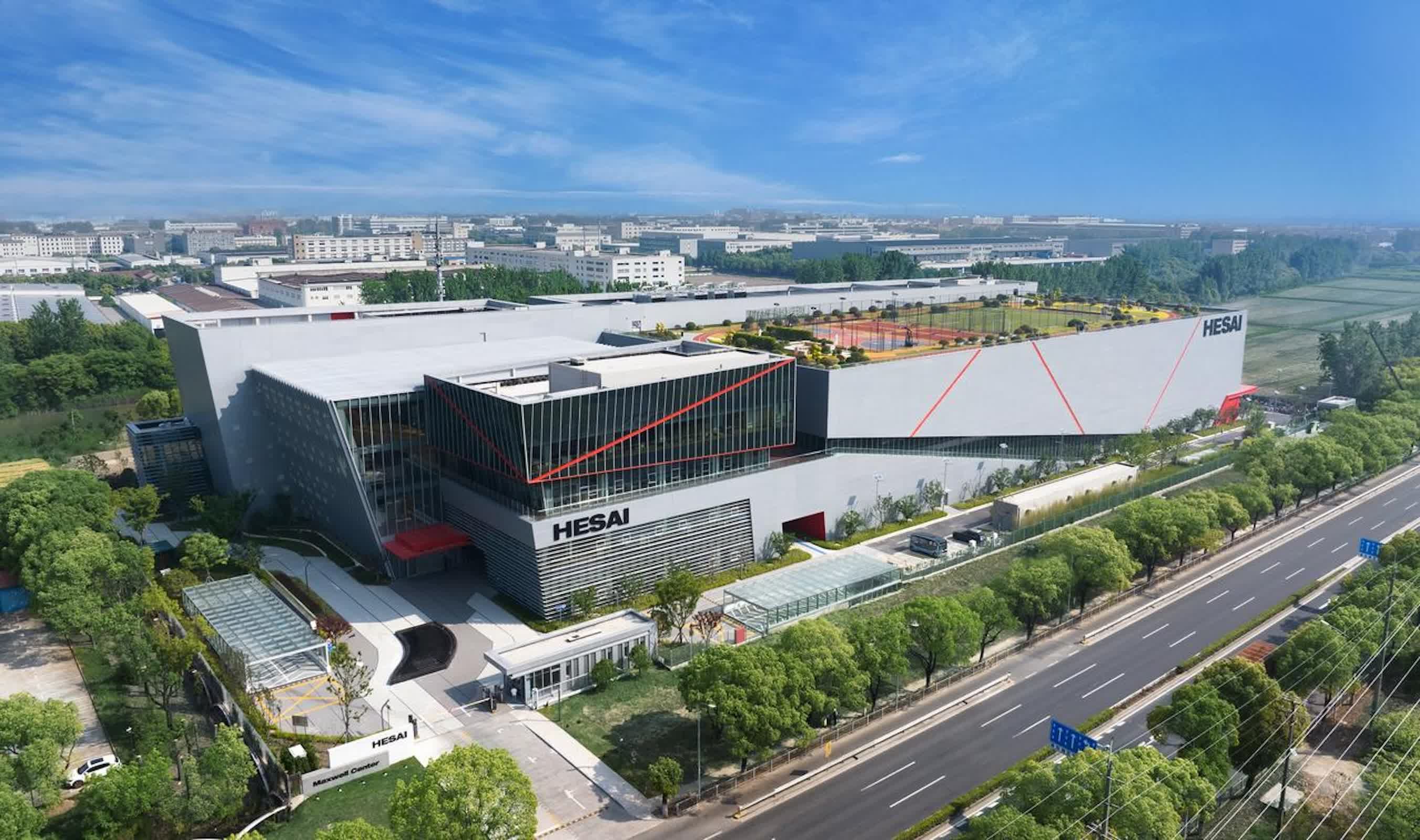
Lidar technology – laser-based sensors that generate three-dimensional maps of surrounding environments to prevent collisions – is emerging as a critical component of both autonomous and semi-autonomous systems. Market research firm Mordor Intelligence projects that the global lidar sector will grow to $6.6 billion by 2030, up from $2.8 billion this year.
Hesai's own financial results reflect this growing adoption. The company reported a net profit of $6.2 million for the second quarter, reversing a net loss the previous year. Revenue increased 54 percent on shipments exceeding 352,000 units, more than triple the volumes of 2023.
Customers use Hesai products for so-called level-two driver assistance systems, which control speed and steering and can manage advanced tasks such as lane changes and hands-free driving in urban settings.
Looking ahead, the company expects increased demand from carmakers transitioning to level-three automation, which allows vehicles to operate independently in more scenarios while keeping human drivers on standby. Li, however, sees the broader near-term growth opportunity not in cars but in robotics.
Hesai aims to leverage its scale in automotive lidar to expand into other autonomous applications. Li identified humanoid robots, drones, delivery machines, forklifts, and even robotic lawnmowers as potential beneficiaries of the same mapping technology developed for cars.
Lidar maker Hesai CEO warns society not ready for rapid self-driving rollout


