
What just happened? Matthew McConaughey is one of many stars who oppose unauthorized AI recreations of their likenesses. In an attempt to combat the practice, the Interstellar actor has taken the unusual step of trademarking himself. The US Patent and Trademark Office has granted eight of these trademarks, including one of him saying his famous catchphrase, "Alright, alright, alright."
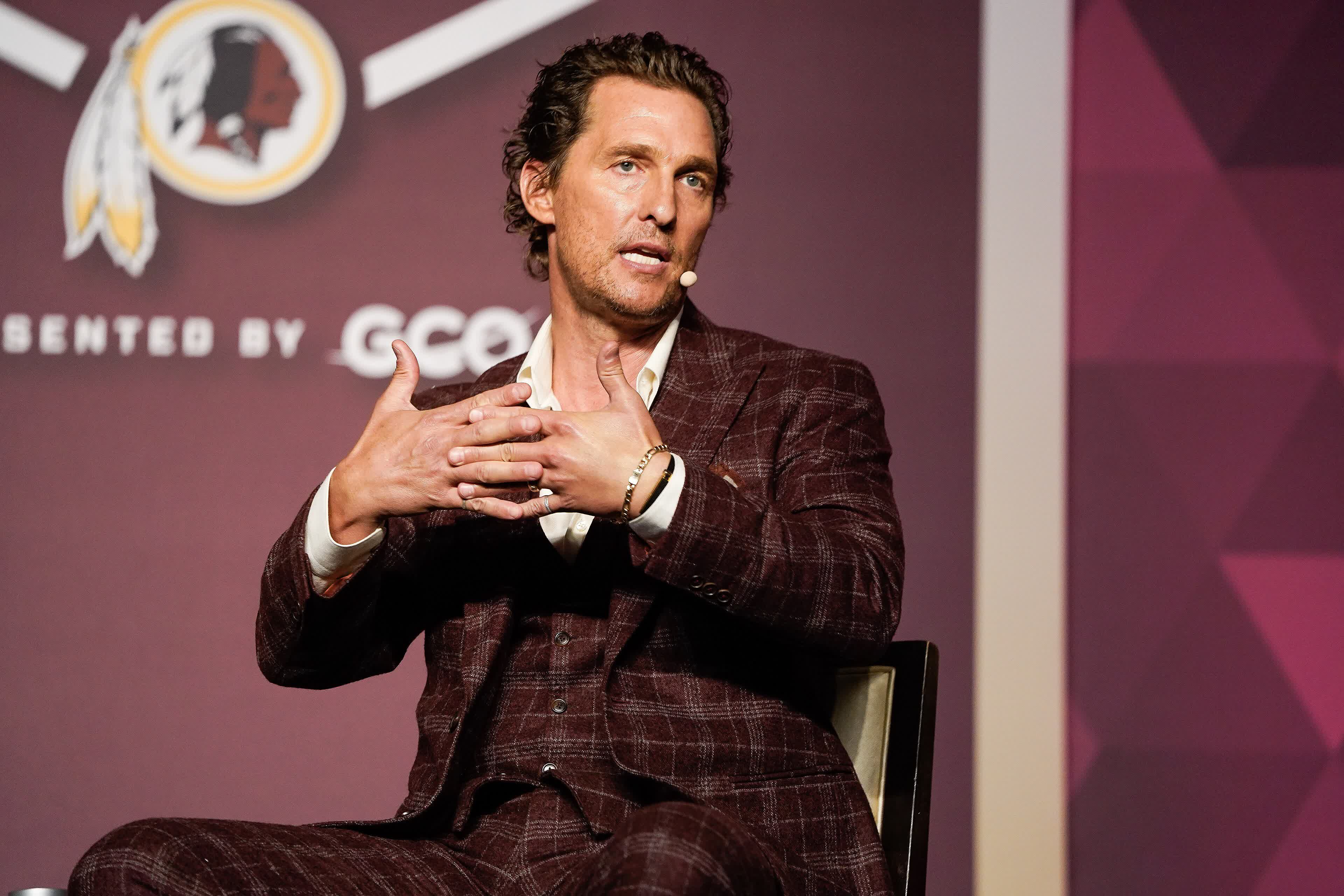
The trademarks, granted over the last few months, also include a seven-second clip of McConaughey standing on a porch and a three-second clip of him sitting in front of a Christmas tree, according to a report by The Wall Street Journal.
"My team and I want to know that when my voice or likeness is ever used, it's because I approved and signed off on it," the actor said in an email to the publication. "We want to create a clear perimeter around ownership with consent and attribution the norm in an AI world."
The Journal adds that while Conaughey's lawyers aren't aware of his likeness being manipulated by AI, they hope the trademarks can be used broadly against any unauthorized duplications of him.
The lawyers added that they aren't aware of any other actors who have trademarked themselves. They also admit that they aren't sure if the plan will work, and how a legal fight against one of McConaughey's claims would pan out.
"I don't know what a court will say in the end. But we have to at least test this," said McConaughey lawyer Kevin Yorn.
McConaughey is far from against generative AI – he just wants to prevent unauthorized use of his likeness. In November, he joined legend Michael Caine in a partnership with AI audio company ElevenLabs to produce virtual replications of their voices.
McConaughey has also invested an undisclosed sum in ElevenLabs, and has collaborated with the New York-based startup since its founding in 2022. The company creates a version of his newsletter "Lyrics of Livin'" in Spanish.
The move comes amid growing anxiety in Hollywood over how generative AI can replicate voices, faces, and performances with little effort or cost.
During last year's SAG-AFTRA strike, protections against digital replicas became a central issue, with actors warning that studios and third parties could exploit their likenesses indefinitely without proper compensation or consent.
Traditionally, celebrities have relied on right-of-publicity laws to challenge misuse of their image, but those protections vary widely by state and are still largely untested in AI-specific cases. Trademarking distinctive phrases, images, or clips could offer an additional legal tool, even if it doesn't fully resolve the issue.
Whether McConaughey's strategy sets a precedent remains to be seen. But as AI-generated media becomes more sophisticated and accessible, more high-profile figures may feel compelled to explore unconventional ways to protect their identities before the technology outpaces the law.
Matthew McConaughey is trademarking himself to keep AI in check


