
A hot potato: Cloned voices have become a hot-button topic. Beyond the risk of misinformation, actors are increasingly demanding compensation for the use of their voice likenesses. However, it's a legal gray area – can anyone actually copyright or trademark a voice? One AI startup thinks it has the answer, offering a way to license them legitimately.
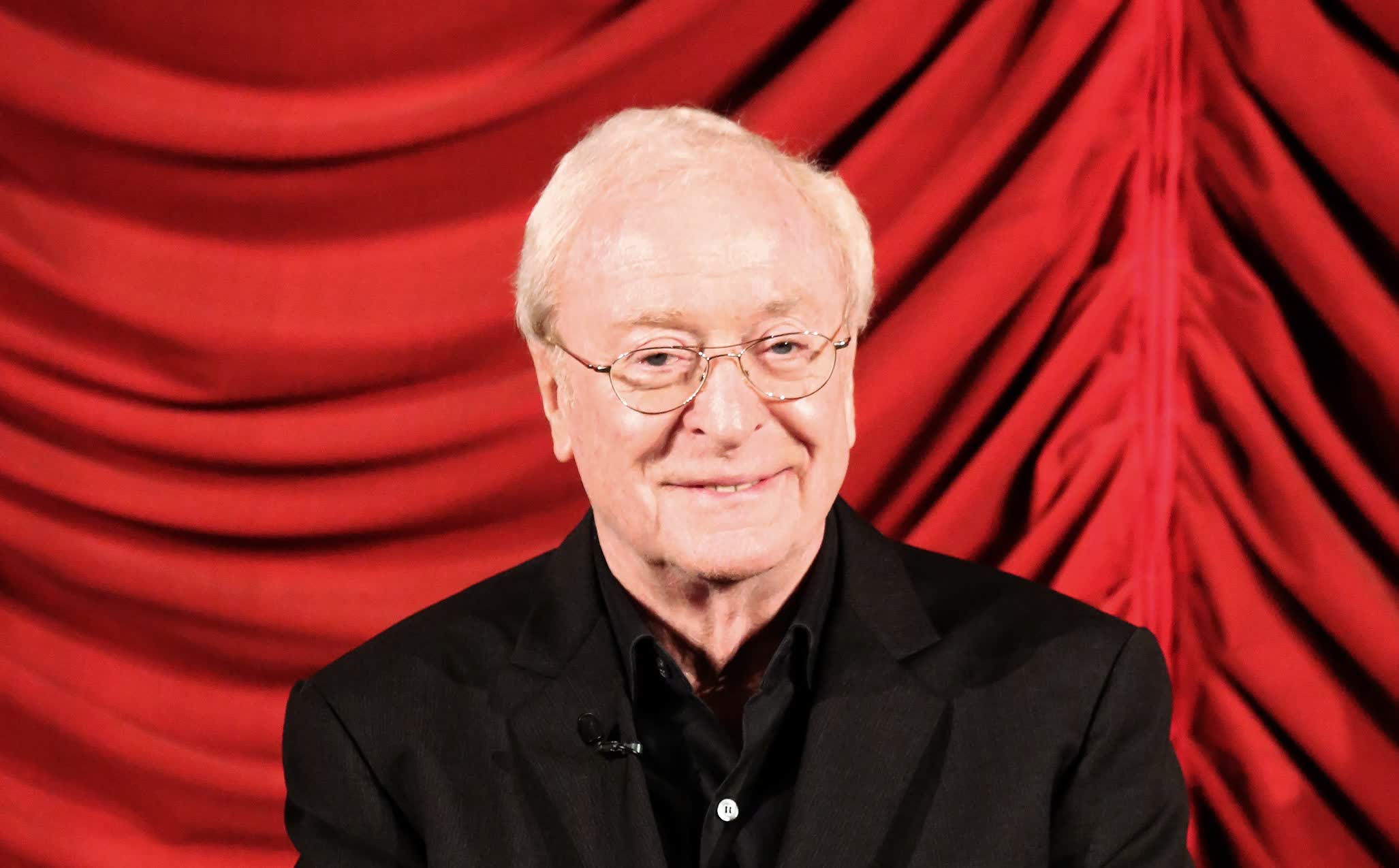
Actors Matthew McConaughey and Michael Caine are partnering with AI audio company ElevenLabs to produce virtual replications of their voices. The collaboration lets both actors explore new ways to share stories while giving creators and companies controlled access to their vocal likenesses.
McConaughey, who has invested an undisclosed sum in the New York-based startup, has collaborated with ElevenLabs since its founding in 2022. He is now using the company's technology to launch a Spanish-language audio edition of his newsletter, Lyrics of Livin', narrated in his own voice. The expansion reflects a growing interest in multilingual content and the potential for AI to reach audiences that might not engage with conventional formats.
The startup's technology converts human voices into high-fidelity digital replicas. Creators and enterprises can use the voices to produce podcasts, audiobooks, and other audio content without requiring the actor's physical presence. McConaughey described the platform as a way to connect with listeners directly while maintaining the personal touch of his own narration.
Caine has signed a deal with ElevenLabs to use his voice in its newly launched Iconic Voice Marketplace – think Unreal Marketplace, but for celebrity voices. The platform allows companies and creative teams to request approval to use Caine's voice for projects, including book narration, campaigns, and digital media. ElevenLabs emphasizes that the service provides an ethical framework for licensing some of the world's most recognizable voices.
The marketplace includes a broad roster of celebrity voices, from Judy Garland and Liza Minnelli to Maya Angelou, John Wayne, and Babe Ruth. By formalizing permissions and licensing agreements, ElevenLabs seeks to reduce the ethical concerns around AI-generated media while giving storytellers access to historic or iconic voices.
The platform operates as a two-sided framework, connecting companies with talent or intellectual property holders. Once both parties finalize agreements, ElevenLabs formalizes the collaboration, allowing content creators to legally use voices for marketing, storytelling, or educational projects.
ElevenLabs has grown rapidly. Last month, the startup offered employees a $100 million stock tender that valued the firm at $6.6 billion, doubling its Series C valuation from earlier in 2025. Employee numbers have surged from 70 to more than 330 in a single year, highlighting investor confidence and the accelerating demand for voice AI.
"[Michael Caine is] an iconic creator and voice whose cultural and artistic consequence we hope will only be further championed through this platform," ElevenLabs CEO Mati Staniszewski told Variety.
The partnership shows how AI-driven audio technology is opening new creative possibilities while respecting artists' rights. With access to voices like Caine's, storytellers can bring fresh energy to their projects and connect with audiences in ways that feel immediate and personal.
Matthew McConaughey and Michael Caine are licensing their voices to AI


