Mercedes-Benz hits the brakes on touchscreens, signaling return to physical buttons

Skye Jacobs

Posts: 1,913   +58
Staff
Why it matters: Automakers seem to be retracing their steps. After years of placing nearly every function behind glass screens, car companies are rediscovering the value of tactile controls – not for nostalgia, but because mounting evidence suggests they are the safer option.
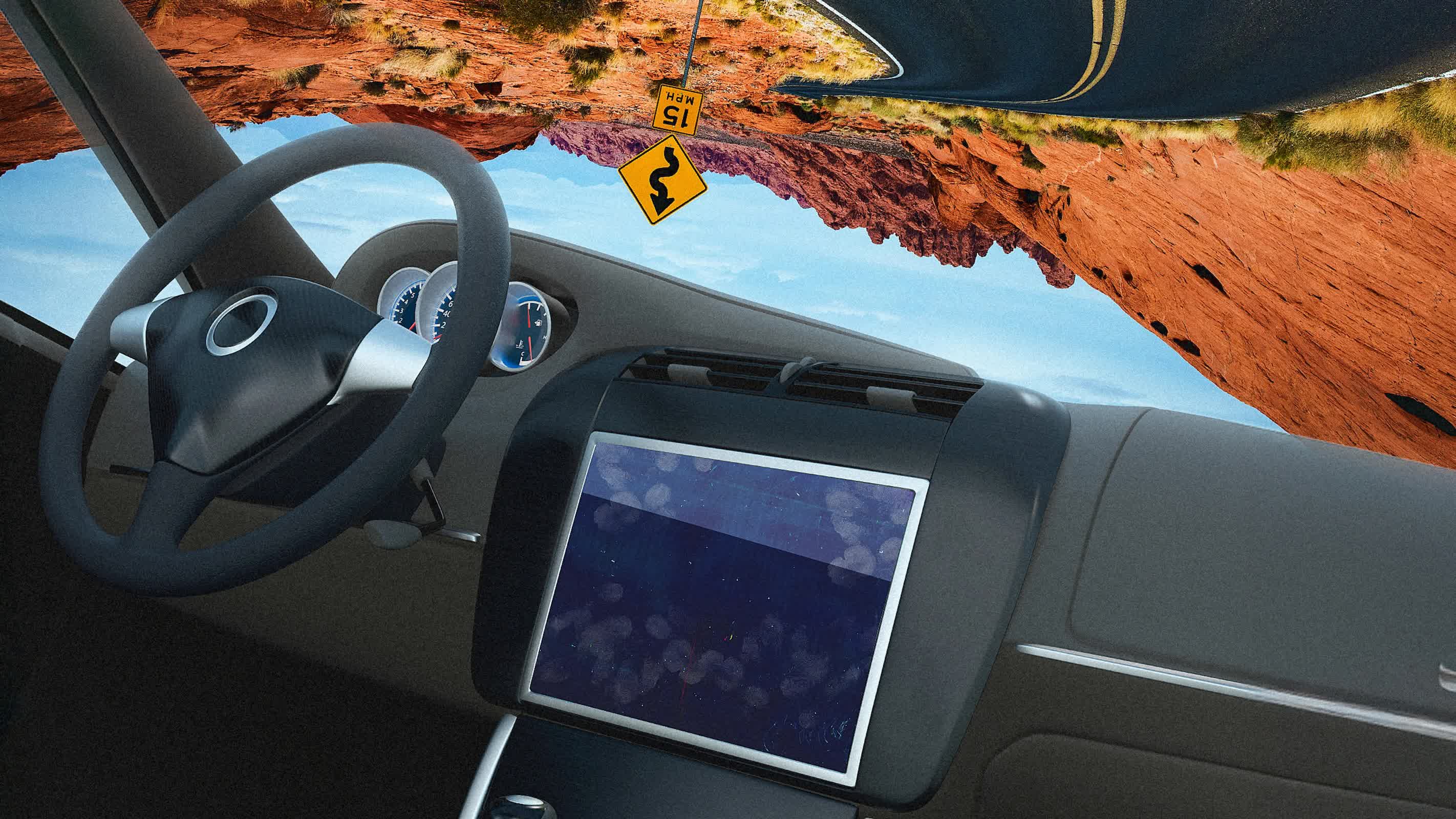
Mercedes-Benz is set to reverse more than a decade of automotive design trends by reintroducing physical controls across its vehicles, moving away from the screen-centered cabins that have dominated since the early 2010s. The shift reflects growing research showing that touchscreens slow drivers, frustrate users, and increase safety risks, even as the industry has raced toward larger, more dominant displays.

At the Munich Motor Show, Magnus Östberg, chief software officer of Mercedes-Benz, said the automaker's future interiors will prioritize physical buttons and rollers rather than relying almost entirely on digital screens. "The data shows us physical buttons are better," he told Autocar. Implementation will begin in 2026, with redesigned steering wheels featuring dials and rockers set to become standard across all models.

The company confirmed to Fast Company that customer feedback and in-car usage data highlighted the need for change. "We've listened closely to customer feedback and analyzed real-world usage data from our software-defined vehicles. Physical controls offer superior usability and comfort for many drivers," a spokesperson said, noting that certain demographics strongly favor tactile controls.
Vehicle touchscreens have existed for decades, with Buick introducing an early version in the 1986 Riviera that drivers quickly rejected. Mainstream adoption came after Tesla's Model S placed a 17-inch vertical display at the center of its design in 2012. This approach proved cheaper for manufacturers – replacing many physical parts with software-driven controls – and allowed them to market vehicles as futuristic.

Throughout the 2010s, nearly all major automakers embraced screens for audio, climate, navigation, and safety functions, but the shift brought problems.

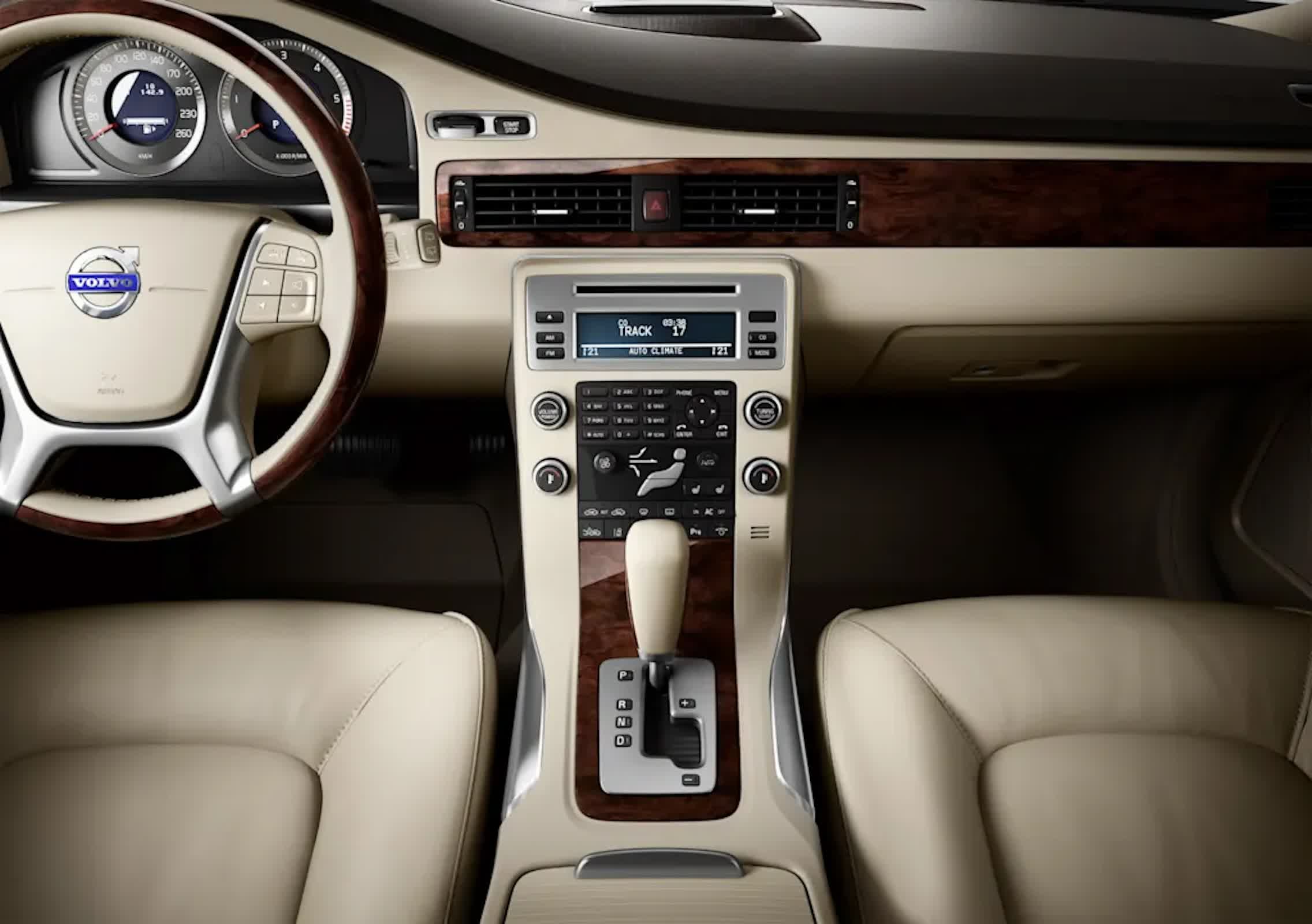
Tesla recalled 158,000 vehicles in 2021 due to failing touch displays, and complaints grew over screen-driven menus that required multiple taps for basic adjustments. Swedish car magazine Vi Bilägare tested the issue in 2022, finding that drivers in older, button-heavy vehicles completed routine tasks more than twice as fast as those in modern touchscreen models.

Using a 2005 Volvo V70, drivers took 10 seconds to adjust climate, radio, and navigation settings, while touchscreen-equipped cars required between 23.5 and 44.9 seconds.

Mercedes is not alone in reevaluating its strategy. Volkswagen admitted that its screen-heavy dashboards created frustrations and announced in 2025 that physical controls would return across all upcoming models. "Cars are not phones, so they require a different interface," said Volkswagen design chief Andreas Mindt.

Hyundai reversed course even earlier, reinstating hard buttons in models like the Ioniq 5 after internal testing showed that touch-only systems caused delays and anxiety in critical situations.
Other automakers, including Toyota, Honda, and Nissan, never eliminated tactile controls entirely, instead maintaining hybrid button-screen layouts. In China, manufacturers like Xiaomi have experimented with modular solutions, offering snap-on panels with physical knobs as accessories for touchscreen-only vehicles.

Beyond consumer demand, regulatory changes are accelerating this shift. Beginning in 2026, Euro NCAP safety protocols will reduce ratings for cars that lack physical controls for essentials such as climate control, turn signals, and driver-assistance features, effectively pressuring automakers to bring buttons back.

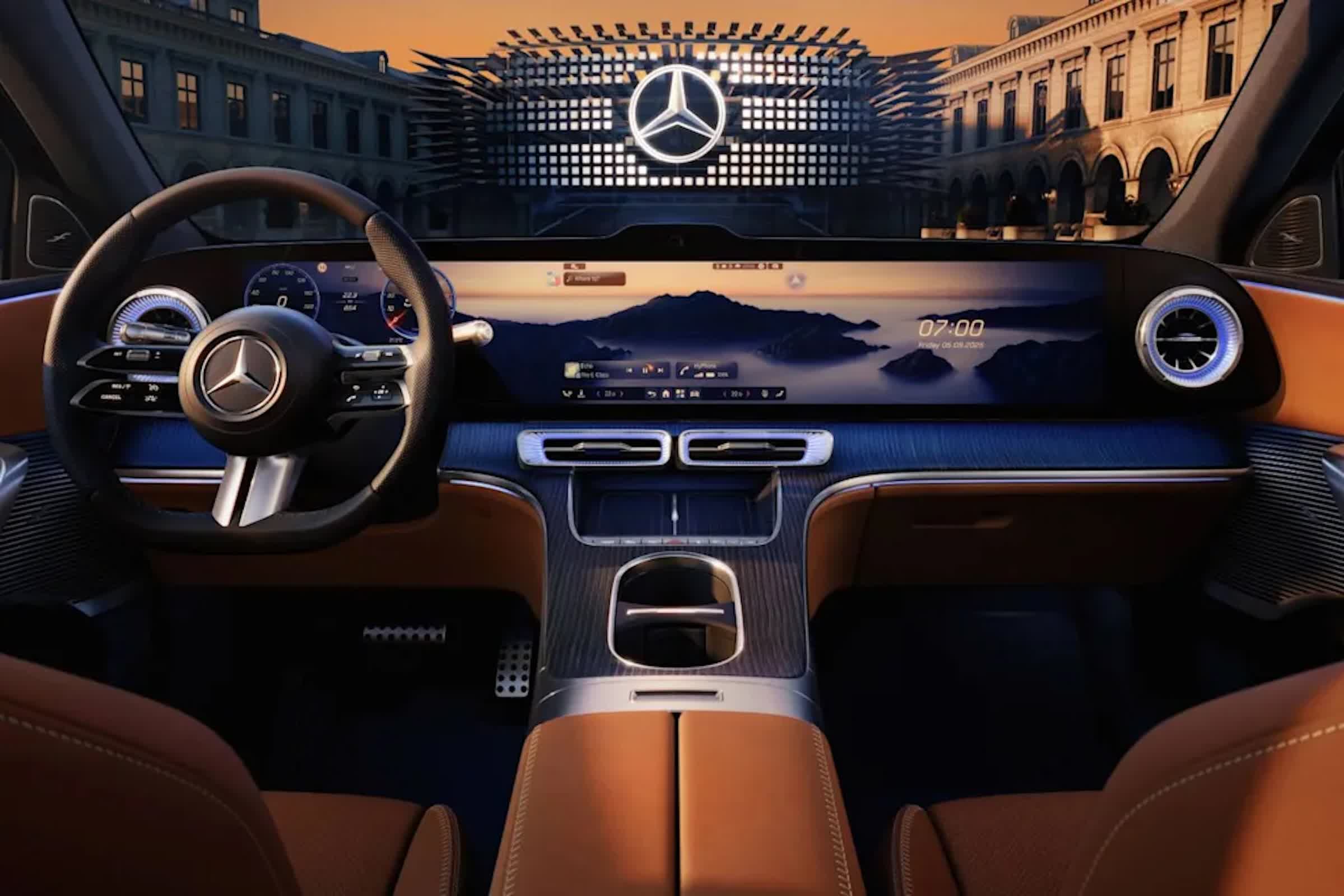
Mercedes' new steering wheel will be the centerpiece of this redesign. The company says the wheel has undergone "extensive testing" and will offer rockers for functions like adaptive cruise control, rollers for audio management, and clustered horizontal controls throughout. Although critics argue that button-heavy wheels can present their own usability challenges, the design reflects an effort to prioritize tactile interaction without forcing drivers to look away from the road.

The timing of the move is notable. Mercedes recently rolled out its MBUX Hyperscreen – a 39.1-inch continuous curved display spanning the entire width of the GLC SUV dash – the largest ever installed in a production car. Design chief Gorden Wagener acknowledged there may now be a natural ceiling on how far the industry can push screen size: "We have reached a point where you cannot make the screen much bigger."

While Mercedes plans to broaden physical controls, it may favor SUVs, where designers have more room to add buttons. Östberg said cultural differences will likely shape regional approaches, with European customers preferring physical systems and Asian markets showing stronger demand for touch- and voice-based interaction.

At the same time, Mercedes is investing in AI-driven voice controls, which Östberg said are gaining adoption. He said that usage of the feature in the CLA model has tripled, describing the increase as "phenomenal." Proponents argue that if voice recognition improves significantly, it could eliminate the relevance of the current touchscreen-versus-button debate by allowing hands-free, natural-language interaction.

Image credit: Fast Company

Permalink to story:

 
Nobody wants this nonsense. It's cheaper to manufacture cars with a touchscreen because there is less wiring and that drops labor costs. The thing is they are not passing the savings onto us, they're charging more for it and calling it a luxury experience. Nothing about it is a luxury experience. My 2008 S550 is nicer than any modern Mercedes I've been in. It's a joke they call them selves a luxury brand.
 
Tesla started this really.... and to be fair it is great for entertainment and navigation... NOT for everything else though. There should be a actual tactile lever, switch, or button for critical functions like drive, headlamps, indicators, wipers, HVAC and related things, and for me, turning off traction control and stability control. But really who didn't see this coming? Everyone hates touch everything. Your vehicle is not a smartphone damn it!
 
Honestly you don't have to look away from the road with only a touchscreen if you use voice controls. It's just annoying to talk to the car when you have a passenger in the vehicle. Then you just have to ask them to change the controls!

Otherwise, unless you commonly use that button and it's in a place where there's some tactile feedback for which button you wanted to press without looking, physical buttons are no safer than a touchscreen. I say this as someone who moved from driving a Tesla to a car with primarily physical buttons years ago. So steering wheel controls are the only other great way to keep your eyes on the road.

Here's a controversial opinion... Tesla even removing steering wheel stalks wasn't as bad as it seemed. Any driver that's new to a car has to make themselves familiar to the controls they'll use on the road. That's a challenge for any vehicle, and stalks don't change that (vehicles have varying stalk configurations). If you're used to driving that vehicle, at that point you won't need to look at your steering wheel to figure out what button to use.

The only exception is when you're actively steering in that moment, steering wheel buttons are very difficult to use. That's why I definitely agree that Tesla removing the turn indicator/blinker stalk was a stupid idea (and they've since added it back).
 
Everything accessible only trough infotainment and touch screen.
Very funy when it freezes and you can do nothing.
Radio not playing is just small annoyance. But you can not control Air conditionning, heating, ventilation, ....
To make it work again you have to pull car somewhere safe, switch everything off, step out of car, lock it and wait 15 minutes.
If it does not help ... disconnect the 12V battery and wait 30 minutes.
If that does not help ... look for towing car and contact your car service.

Enjoy Luxury of your Mercedes.

PS: I have got trough this. Not once.
 
It is one of the reasons I've kept my 2011 vehicle. 117,000 miles.
Buttons, levers, knobs. No taking your eye off the road to adjust
something. I've even seen some of these vehicles that start
ding-donging if you take your eyes off the road for a couple seconds.
YOU are the operator of the vehicle...NOT the vehicle.
 
Physical buttons can be a pain though. As someone who drove plenty of older Toyota cars, their plastic interior parts are a curse. They fall off, they break. I would take physical buttons over screen but only of they last
 
Not that I'd be stupid enough to ever buy an overpriced but poor quality Mercedes, but good to see these id!ots have come to their senses on touch screen garbage. VW lost a ton of sales over touch screens and have turned back to physical dials. Death to digital screen garbage.
 
Everything accessible only trough infotainment and touch screen.
Very funy when it freezes and you can do nothing.
Radio not playing is just small annoyance. But you can not control Air conditionning, heating, ventilation, ....
To make it work again you have to pull car somewhere safe, switch everything off, step out of car, lock it and wait 15 minutes.
If it does not help ... disconnect the 12V battery and wait 30 minutes.
If that does not help ... look for towing car and contact your car service.

Enjoy Luxury of your Mercedes.

PS: I have got trough this. Not once.

My Tesla has never seen a critical issue that required a reboot. I have seen (in the distant past, several revisions ago) small annoyances that required a reboot... but you can actually do the reboot while you are driving. Takes about 3 minutes, and the car fully functions and drives the whole time it is happening.
 
Nobody wants this nonsense. It's cheaper to manufacture cars with a touchscreen because there is less wiring and that drops labor costs. The thing is they are not passing the savings onto us, they're charging more for it and calling it a luxury experience. Nothing about it is a luxury experience. My 2008 S550 is nicer than any modern Mercedes I've been in. It's a joke they call them selves a luxury brand.
I don't see how having a touch screen or not determines if a vehicle should or shouldn't be called "luxury" when that has nothing to do with their vehicle's perceived quality. I've recently driven a rental, a Mazda CX5, and Mazda absolutely couldn't call it a luxury vehicle no matter what display or buttons they put in it.


My Tesla has never seen a critical issue that required a reboot. I have seen (in the distant past, several revisions ago) small annoyances that required a reboot... but you can actually do the reboot while you are driving. Takes about 3 minutes, and the car fully functions and drives the whole time it is happening.
Physical buttons don't need to be rebooted, and I don't see how you can talk about rebooting the vehicle's only interface for three minutes like it's not a deal breaker for anyone, it certainly is for me.
 
Physical buttons just work. They dont require reboots, they dont require updates. They are WAY cheaper to replace (the manufacturer line of "cheaper" is utter BS) if they ever break. And you can use them without looking at them.

Of course there will be those who insist that touch controls are no less safe, denying any evidence to the contrary, thank goodness the EU did something right for once in mandating that HVAC and radio controls must have a physical options going forward. Just like fuel efficiency and modern safety systems, they are way ahead of the domestic brands, which will have to be dragged kicking and screaming into the future.
 
I don't see how having a touch screen or not determines if a vehicle should or shouldn't be called "luxury" when that has nothing to do with their vehicle's perceived quality. I've recently driven a rental, a Mazda CX5, and Mazda absolutely couldn't call it a luxury vehicle no matter what display or buttons they put in it.


Physical buttons don't need to be rebooted, and I don't see how you can talk about rebooting the vehicle's only interface for three minutes like it's not a deal breaker for anyone, it certainly is for me.
I haven't needed to reboot in years. I bought a Model 3 very early on when the software wasn't 100% there yet. In a couple cases back then, I would choose to take a couple minutes to reboot to address an annoyance like cellular not connecting properly. I could also have chosen to just complete my drive and reboot later while parked.

You can't reboot a switch that has been physically operated so many times that the mechanism breaks. I see this all the time on my other cars.
 
The articles mentions "rollers." Somehow, I cannot see those as necessarily easier to use than a touch screen - especially if they are used to select something.

My 24' Prius Prime has both buttons and touch screen. I find myself using the buttons more frequently than the touch screen.
 
Voice controls sound like the next “future of driving” buzzword but anyone who has ever tried to yell “play music” into a smart assistant while it insists on reading weather forecasts knows that might create a whole new category of road rage.
 
My Tesla has never seen a critical issue that required a reboot. I have seen (in the distant past, several revisions ago) small annoyances that required a reboot... but you can actually do the reboot while you are driving. Takes about 3 minutes, and the car fully functions and drives the whole time it is happening.
For me it's not a technical issue. It's an aesthetic issue. I think Tesla's are fine cars, but I do not like the iPad in the middle of the dash. I think those functions should be integrated with the dashboard layout in some way. That said I do see other manufacturers putting screens in place of dashboard instruments and frankly I'm not a big fan.

My car has a touch screen for navigation and entertainment, and I think that's just fine, for me.
 
Two reasons that physical controls are so much faster: you can feel the control and memorize it's location without having to see it, and you can't hide the control behind a "menu" or some such like you can on a touchscreen.

I'm not opposed to touchscreens for some things, they make great navigation displays, but there should be physical controls for audio, A/C, etc.
 
Everything accessible only trough infotainment and touch screen.
Very funy when it freezes and you can do nothing.
Radio not playing is just small annoyance. But you can not control Air conditionning, heating, ventilation, ....
To make it work again you have to pull car somewhere safe, switch everything off, step out of car, lock it and wait 15 minutes.
If it does not help ... disconnect the 12V battery and wait 30 minutes.
If that does not help ... look for towing car and contact your car service.

Enjoy Luxury of your Mercedes.

PS: I have got trough this. Not once.

Every once in a while, the bluetooth/carplay/android auto subsystem of my 2019 Astra K (read: 2015-2019 euro chevy cruze manual dieswl wagon) decides to not connect to any make/model of phone. It magically works again after a couple of hours if the car is fully off and locked.
And, thankfully only once, the screen didn’t turn on at all, including the radio that could be controlled via the gauge cluster screen and steering wheel controls. Nada. I had to pull two fuses for 30s to do a full hard reboot of it, and it worked.
Thankfully everything else worked, including all the driver aids.
 
Every once in a while, the bluetooth/carplay/android auto subsystem of my 2019 Astra K (read: 2015-2019 euro chevy cruze manual dieswl wagon) decides to not connect to any make/model of phone. It magically works again after a couple of hours if the car is fully off and locked.
And, thankfully only once, the screen didn’t turn on at all, including the radio that could be controlled via the gauge cluster screen and steering wheel controls. Nada. I had to pull two fuses for 30s to do a full hard reboot of it, and it worked.
Thankfully everything else worked, including all the driver aids.
I've seen that in rental cars.
 
Back