Microsoft just reminded everyone that streaming games isn't cheap

Skye Jacobs

Posts: 1,994   +58
Staff
The big picture: Eight years after its debut, Game Pass remains central to Xbox's identity as a platform. The subscription is slowly redefining how people play and pay for games. But the latest price hike shows that even Microsoft, with all its muscle, is running up against the limits of the streaming model it helped popularize. The economics of "Netflix for games" are proving tougher to scale than anyone expected.
Microsoft's decision to raise prices for its Xbox Game Pass subscription service has reignited debate over whether the company's ambitious streaming strategy is delivering the financial returns it once hoped for.

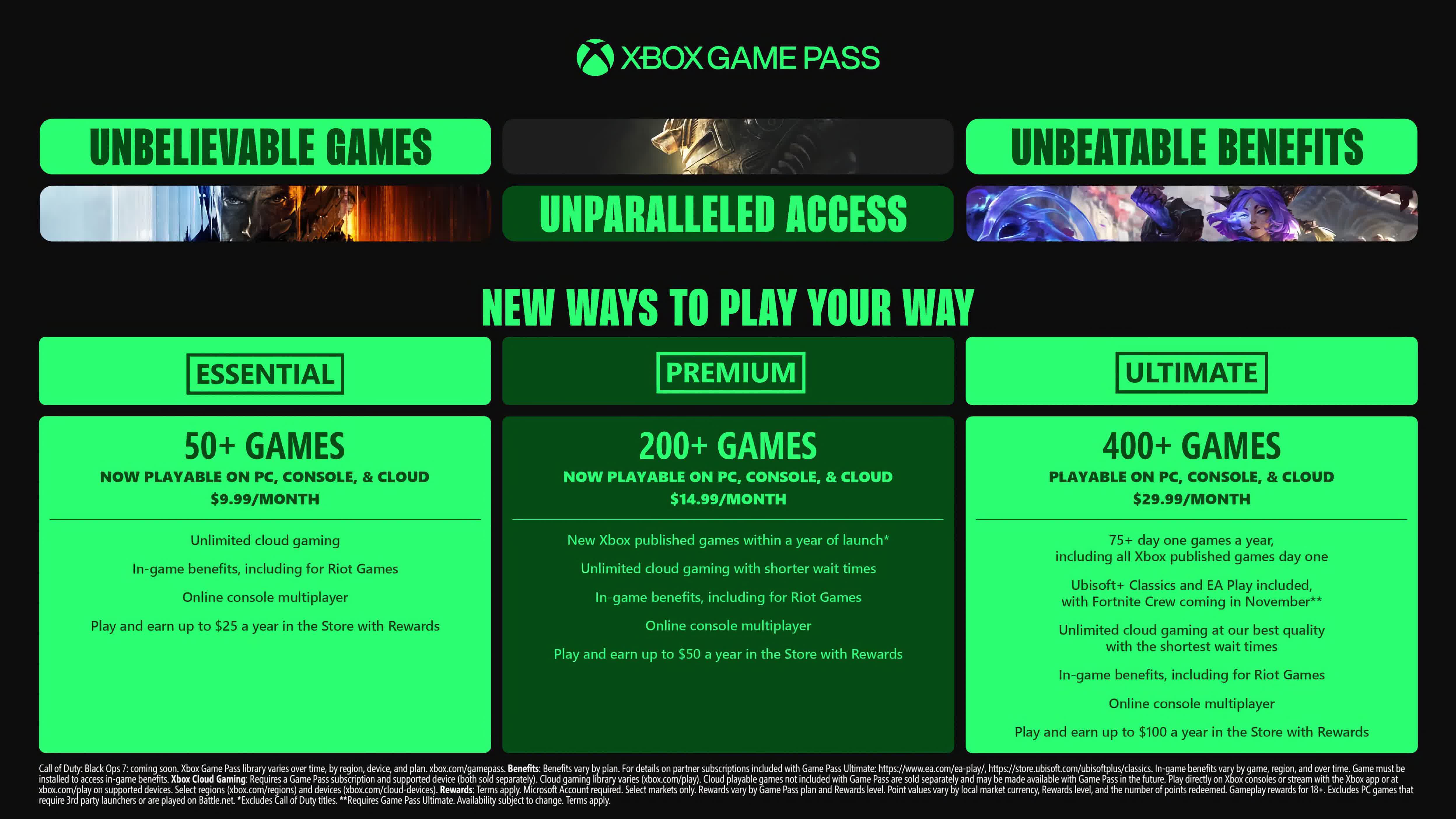
The top-tier plan now costs $30 per month – up 50 percent – marking one of the most substantial single price increases since the platform's debut in 2017. Gamers' reaction was swift, with cancellations reaching record numbers following the price hike announcement and video game retailer GameStop posting a cartoon implying customers should buy games in stores instead.

For Xbox, the move underscores a larger challenge: turning its vast catalog of games and expensive studio acquisitions into a sustainable business amid rising development and infrastructure costs. Bloomberg interviews with several current and former Xbox employees suggest that the shift toward streaming has not produced the explosive revenue growth Microsoft projected, even after the $69 billion purchase of Activision Blizzard in 2023.

Those familiar with the company's internal discussions say subscription access to blockbuster titles such as Call of Duty has reduced high-margin unit sales across both console and PC, costing Xbox more than $300 million last year.

Industry analysts say the new pricing reflects an effort to align subscription revenue with the cost of maintaining the service's heavy technical demands. "Game Pass hasn't delivered the explosive growth Microsoft anticipated post-Activision, and they've realized their infrastructure costs don't align with their pricing model," said Joost Van Dreunen, founder of video-game analytics firm Aldora. Microsoft declined to comment.

When Game Pass launched eight years ago, its pitch resembled the early streaming models of Netflix and Disney+: broad access, low entry price. At $10 per month, subscribers could play from a rotating library of more than 100 older games. In 2018, Xbox began offering new first-party releases on the same day they launched – an internal flashpoint at the time, given the development costs of modern titles that can exceed hundreds of millions of dollars. Instead of $70 per game, consumers were now subscribing to an all-you-can-play ecosystem.
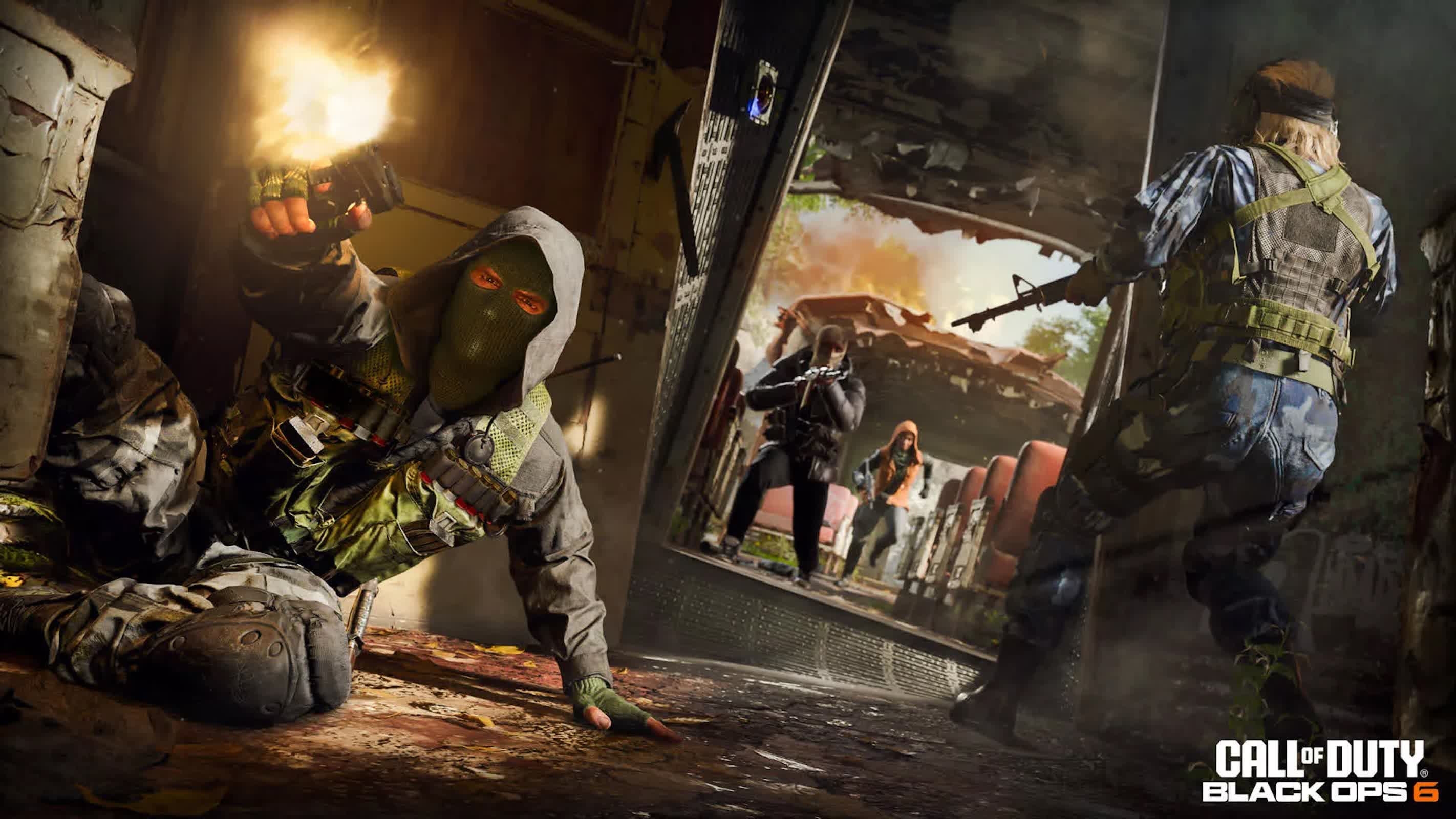
The strategy coincided with a series of major acquisitions. Alongside Activision Blizzard, Microsoft bought up smaller developers to ensure a steady pipeline of exclusives. The company told British regulators at the time that expanding Game Pass's catalog was one of the main reasons for the Activision deal.

Yet the economics have proved difficult. IGN reported that while Call of Duty: Black Ops 6 became the best-selling US game of 2024 and set a Game Pass record for same-day subscriptions, 82 percent of physical and digital sales came from Sony's PlayStation. Many Xbox players, analysts said, likely subscribed for a month or two instead of buying the full-priced game.

The slowdown in growth is apparent in Microsoft's own numbers. Game Pass subscriptions climbed 80 percent between 2020 and 2021 but only 36 percent from 2022 through 2024. The company last reported 34 million subscribers in early 2024. While Xbox said the service remained profitable, generating almost $5 billion in revenue for the year ending June 2024, its broader games division has faced turbulence.
The company has imposed multiple rounds of layoffs – 650 positions cut last September following 1,900 earlier in the year – and canceled at least four games under development.

Some veterans of Xbox's studios argue the business model itself undercuts traditional revenue streams. Former Xbox Game Studios vice president Shannon Loftis said recently that while Game Pass has helped smaller titles reach audiences, most subscriber growth has come "at the expense of retail revenue."

Former FTC Chair Lina Khan, who opposed Microsoft's acquisition of Activision, wrote on X that recent price hikes and layoffs "harm both gamers and developers."

Permalink to story:

 
I've cancelling my sub now - way too expensive.
The Blizzard purchase was such a bad idea. They are putting too much stuff on there now which just makes it unaffordable. There was already more than you could possibly play unless all you do is play games all day. Madness.
 
I've cancelling my sub now - way too expensive.
The Blizzard purchase was such a bad idea. They are putting too much stuff on there now which just makes it unaffordable. There was already more than you could possibly play unless all you do is play games all day. Madness.
I think this is calculated. They probably think that even though players will quit after the price hike that their infrastructure costs will go down and they'll net more money.
 
They paid $76 BILLION to buy Activision. Even at $2 billion a year profit, it would take them 38 years just to break even. That's before you adjust the falling player numbers and abysmal work MS is pushing out.

Game pass is totally unsustainable. To both be profitable and sustain game development, it would need to cost $60+ a month. Even then it would struggle with the way dev houses burn cash.
 
They paid $76 BILLION to buy Activision. Even at $2 billion a year profit, it would take them 38 years just to break even. That's before you adjust the falling player numbers and abysmal work MS is pushing out.

Game pass is totally unsustainable. To both be profitable and sustain game development, it would need to cost $60+ a month. Even then it would struggle with the way dev houses burn cash.
Not necessarily, the company's profits that they bought now become their profits. They also financed the deal with debt so it's not like they are out $76B cash. It's also a tax write off until they debt is paid so they'll be paying zero in taxes. Basically they need to break even on the deal until it's paid off and they get a free company.
 
Last edited:
I think this is calculated. They probably think that even though players will quit after the price hike that their infrastructure costs will go down and they'll net more money.
As long as less than 34% of customers cancel their Ultimate membership, they're still making more on paper with the price hike.
And then yeah, less people on their servers have got to count for something.
 
As long as less than 34% of customers cancel their Ultimate membership, they're still making more on paper with the price hike.
And then yeah, less people on their servers have got to count for something.
If people just buy the games from the developers they own instead of playing them on game pass they still win. People aren't going to stop playing COD just because they canceled their game pass. The only people I know in person who have game pass already own the game but use game pass to play COD on their phone when they aren't home.
 
20 years ago I heard from quite a few students studying software engineering that streaming would be the future, all we'd need is a keyboard, mouse and a screen. I was skeptical then and it's good to see to be proven right.
 
At this point, who doesn’t have a massive backlog of Steam games? Game ownership is already a problem, and streaming platforms only add to it. For me, the main value of Game Pass was discovering games I wouldn’t usually pay for, and if I enjoyed them, buying them on Steam.

Using Game Pass for a game I know I’ll like and would buy on day one never made much sense. There are some exceptions, though, like when a studio you usually trust tries something different—like Starfield, where there’s a bit of uncertainty. Even then there is this price inflection point where you have to weigh the cost of the streaming platform to the titles cost and re-playability value over-time to get dollar per entertainment metric. At $35 a month Game Pass never makes sense.
 
Not necessarily, the company's profits that they bought now become their profits. They also financed the deal with debt so it's not like they are out $76B cash. It's also a tax write off until they debt is paid so they'll be paying zero in taxes. Basically they need to break even on the deal until it's paid off and they get a free company.
Yeah, I know. That's where the $2 billion number came from.

Again, it will take them 38 years to break even. That is before accounting for CoD's collapsing player count and the now very negative reception to WoW updates. Overwatch 2 has also passed by. They WAY overpaid for Actiblizzard.

Any investor is going to look at this deal and conclude it was a terrible deal. If they DOUBLED activision's profit, it would still take 17 years to break even. Considering we're seeing the opposite, this wont end well. None of MS's game studios are doing well now, Bethesda is seeing the same player drought and Doom TDA sold terribly.

Also, you have to calculate interest on that $76 billion in debt. at 4% a year, that is $3 BILLION IN INTEREST a year. That's more then activisions entire profit margin!
As long as less than 34% of customers cancel their Ultimate membership, they're still making more on paper with the price hike.
And then yeah, less people on their servers have got to count for something.
True, but even if they only lose, say, 10%, that still means the market is now shrinking and any game devs that put their games on GamePass are going to see fewer players and less revenue. Current scuttlebutt is that GP revenue is already too low to sustain future games and cant replace sales, a smaller market will only make that worse.
 
Last edited:
Yeah, I know. That's where the $2 billion number came from.

Again, it will take them 38 years to break even. That is before accounting for CoD's collapsing player count and the now very negative reception to WoW updates. Overwatch 2 has also passed by. They WAY overpaid for Actiblizzard.
You're numbers are a bit off, it's 2 billion a quarter. It was actually $6.7B in 2024 and $2B was their best quarter, 4Q24 which is the holiday season. Also, there is the tax write off as debt is not taxable. They financed it in 2 ways. 1)They used stock as collateral for a super low interest rate and they used the private equity play of securing the rest of the loan with the assets of the company they're buying. MS is getting a free company if it works and if they fail 5 years they will have already got the money back they put up to buy it. It wont affect their credit as A/B will have defaulted on their debt, not MS, as A/B is still technically a separate company even if it is owned by MS.

It will not take them 38 years to break even, it will take them 5 and A/B will be left paying off the rest of the debt
 
Last edited:
You're numbers are a bit off, it's 2 billion a quarter. It was actually $6.7B in 2024 and $2B was their best quarter, 4Q24 which is the holiday season.
Your (not You're, that's You are) numbers are way off. Their REVENUE was $5.72 billion in FY 2024. This is not PROFIT. REVENUE is their income BEFORE calculating operating costs, capex, taxes, ece. PROFIT is the number AFTER those calculations are done


"In FY24, Activision Blizzard reached a revenue of $5.72 billion and an operating loss of $1.36 billion (driven by various post-merger expenses)."
Also, there is the tax write off as debt is not taxable. They financed it in 2 ways. 1)they used stock for a super low interest and they used the private equity play of securing the rest of the loan with the assets of the company they're buying. MS is getting a free company if it works and if they fail 5 years they will have already got the money back they put up to buy it.
This is also entirely wrong.


"On January 18, 2022, Microsoft announced its intent to acquire Activision Blizzard for $68.7 billion in an all-cash deal, or approximately $95 per share."

So yeah, there's no magic write off, they ARE paying taxes on whatever profit they wrangle out of activision, so far none because they LOST money in 2024.
It wont affect their credit as A/B will have defaulted on their debt, not MS, as A/B is still technically a separate company even if it is owned by MS.
Nobody cares about their credit, this is a red herring.
It will not take them 38 years to break even, it will take them 5 and A/B will be left paying off the rest of the debt
Check your numbers again. As someone who claims to be an "investor" you should understand the difference between revenue, profit, and break even on investment.

This is another Disney buying Lucasfilm deal, where Disney, instead of burning $4 billion on buying Lucasfilm only to lose more money, would have financially come out ahead if they had piled all $4 billion in the center of the magic kingdom and lit it on fire.

Microsoft paid $68.7 billion to acquire Activision in 2023. In 2024, Activision reported a $1.36 BILLION dollar loss. So right now, the break even date is infinite, because they are losing money. Had Microsoft stuck that $68.7 billion into a savings account that pays 0.01% interest per year, that would have been a more sound investment. You must also account for falling revenue, Activision's revenue in 2021 was $8.8 billion. So they've lost, effectively, $3.1 billion in revenue, or 35%, and are now in the red. This trend shows no sign of stopping, with the most recent COD release shedding players at an alarming rate, WoW angering their playerbase and seeing declining engagement, Overwatch being effectively dead with no news from Blizzard about new games, and so on.

Sure, they can blame it on "post merger costs" but anybody with a functioning brain knows this is because of rapidly falling playerbases. Their games are not selling like they used to, and player retention is in the toilet. If they cant get players back, those losses will not be reversed, and MS will cut serious percentages of staff (see also zenimax) but that wont bring players back and could seriously impact Activision's ability to make future games.

Buying Activision was a terrible idea, and MS overpaid by orders of magnitude. They only paid $7.5 billion for Bethesda, which was supposedly a much more profitable enterprise considering the relative size of their teams. $68 billion for activision is actually insane.

But please, explain to me how Activision, which MS paid $68.7 billion to acquire and lost $1.36 billion last year, is going to pay off its invest cost in 5 years. Where are they going to get that $13.74 billion in profit per year to pay off the $68.7 billion purchase price? I'd love to hear the explanation.
 
Last edited:
Your (not You're, that's You are) numbers are way off. Their REVENUE was $5.72 billion in FY 2024. This is not PROFIT. REVENUE is their income BEFORE calculating operating costs, capex, taxes, ece. PROFIT is the number AFTER those calculations are done


"In FY24, Activision Blizzard reached a revenue of $5.72 billion and an operating loss of $1.36 billion (driven by various post-merger expenses)."

This is also entirely wrong.


"On January 18, 2022, Microsoft announced its intent to acquire Activision Blizzard for $68.7 billion in an all-cash deal, or approximately $95 per share."

So yeah, there's no magic write off, they ARE paying taxes on whatever profit they wrangle out of activision, so far none because they LOST money in 2024.

Nobody cares about their credit, this is a red herring.

Check your numbers again. As someone who claims to be an "investor" you should understand the difference between revenue, profit, and break even on investment.

This is another Disney buying Lucasfilm deal, where Disney, instead of burning $4 billion on buying Lucasfilm only to lose more money, would have financially come out ahead if they had piled all $4 billion in the center of the magic kingdom and lit it on fire.

Microsoft paid $68.7 billion to acquire Activision in 2023. In 2024, Activision reported a $1.36 BILLION dollar loss. So right now, the break even date is infinite, because they are losing money. Had Microsoft stuck that $68.7 billion into a savings account that pays 0.01% interest per year, that would have been a more sound investment. You must also account for falling revenue, Activision's revenue in 2021 was $8.8 billion. So they've lost, effectively, $3.1 billion in revenue, or 35%, and are now in the red. This trend shows no sign of stopping, with the most recent COD release shedding players at an alarming rate, WoW angering their playerbase and seeing declining engagement, Overwatch being effectively dead with no news from Blizzard about new games, and so on.

Buying Activision was a terrible idea, and MS overpaid by orders of magnitude. They only paid $7.5 billion for Bethesda, which was supposedly a much more profitable enterprise considering the relative size of their teams. $68 billion for activision is actually insane.

But please, explain to me how Activision, which MS paid $68.7 billion to acquire and lost $1.36 billion last year, is going to pay off its invest cost in 5 years.
All cash deal just means they didn't pay the investors with stock. Most deals are 20-30% cash and the rest is paid out in stock options. They got the cash by financing debt as they don't have lets call it $70B in cash just sitting in the bank. Just because they paid out to investors $95 a share does not tell you anything about how the debt is financed or the loan is structured
 
All cash deal just means they didn't pay the investors with stock. Most deals are 20-30% cash and the rest is paid out in stock options. They got the cash by financing debt as they don't have lets call it $70B in cash just sitting in the bank. Just because they paid out to investors $95 a share does not tell you anything about how the debt is financed or the loan is structured
So where is your source on this debt? The only debt exchange listed is Microsoft share swaps for Activision's pre existing debt. So where is the rest? Surely you can actually point to it, given Microsoft is a publicly traded company and these finances should have been made public......

And you didnt answer the question. How is Activision going to make $13.47 billion a year in profit to pay off this acquisition cost?
 
So where is your source on this debt? The only debt exchange listed is Microsoft share swaps for Activision's pre existing debt. So where is the rest? Surely you can actually point to it, given Microsoft is a publicly traded company and these finances should have been made public......

And you didnt answer the question. How is Activision going to make $13.47 billion a year in profit to pay off this acquisition cost?
This is how it's always done. Surely, since MS is a publicly traded company you can find the $70B on their books that went to pay the investors. Their tax records are hundreds of pages long and you're free to look through them if you're really that determined to prove me wrong. That said, I'm not going to waste my Sunday explaining corporate finance, loan structure and tax exemption in the comment section of a website just because you think I'm wrong. Or maybe it's more that you just want me to be wrong. Or do you just want to be right? I don't know, but you are free to explore the subject on your own and come back to me with your magnum opus of why I'm wrong.
 
True, but even if they only lose, say, 10%, that still means the market is now shrinking and any game devs that put their games on GamePass are going to see fewer players and less revenue. Current scuttlebutt is that GP revenue is already too low to sustain future games and cant replace sales, a smaller market will only make that worse.
But you're making 2 unsubstantiated assumptions:
1. That they are not going to pay their game devs more money with the price hike (more money means luring more games onto the service).
2. That Xbox flat out lied when they said GP was profitable.

As there's no good way to know otherwise, I don't particularly care to assume it's the failure you seem to want it to be.
I will give you this, the price hike does seem desperate and short-sighted from an outside look, but big companies have done far more for less and been fine...
 
Who will pay 30 $ a month for huge catalogue of games, when there are too many games, and not enough time to play them all?

Instead, they should change approach - lower prices (3 - 5 - 10$ maximum), but you can select and play only handful games from catalogue, and have option to change them from time to time.

And if that is not profitable enough... Well, then maybe whole model is flawed, no? :)
 
At this point, who doesn’t have a massive backlog of Steam games? Game ownership is already a problem, and streaming platforms only add to it. For me, the main value of Game Pass was discovering games I wouldn’t usually pay for, and if I enjoyed them, buying them on Steam.

Using Game Pass for a game I know I’ll like and would buy on day one never made much sense. There are some exceptions, though, like when a studio you usually trust tries something different—like Starfield, where there’s a bit of uncertainty. Even then there is this price inflection point where you have to weigh the cost of the streaming platform to the titles cost and re-playability value over-time to get dollar per entertainment metric. At $35 a month Game Pass never makes sense.
....you don't own your game(s) on Steam.

If Steam were to close down tomorrow all your "owned" games would go poof! Something like this has happened before in the past and could certainly happen again. PS lost IP rights to Lionsgate movies, any movie purchased from that studio from the PS Store, you lost. Digital game platforms have gone poof in the past such as Stardock's platform, you ever used it and purchased games on it they were lost.

If you don't have access to the game on your side with the ability to install the game and run the game without any kind of DRM preventing you, then you never really did own it.

In theory, game pass isn't really any different than renting software on digital platforms that you "buy to own" games on. You just pay to rent access to games on Game Pass or you pay to rent games on Steam/EGS/Origin/Ubisoft. I don't really see the difference between them.
 
I mean for what, 229$ a year you get access to 400+ premium games? It's a steal, only downside is the obvious latency input and you don't own it, but still.

Running such things is expensive. Every client has their own little GPU and CPU. It will cost money since DC's are not cheap with both electric and cooling demands.

Ah well.
 
I mean for what, 229$ a year you get access to 400+ premium games? It's a steal, only downside is the obvious latency input and you don't own it, but still.

Running such things is expensive. Every client has their own little GPU and CPU. It will cost money since DC's are not cheap with both electric and cooling demands.

Ah well.
$360 is the annual sum to be a premium beta tester.
 
I don't think I know a single person who subscribes to Game Pass. The idea that there are 34 million active subscribers right now and I'd never heard of this five minutes ago boggles my mind. Anyone with 34 million people paying a subscription is doing something right.
 
I don't think I know a single person who subscribes to Game Pass. The idea that there are 34 million active subscribers right now and I'd never heard of this five minutes ago boggles my mind. Anyone with 34 million people paying a subscription is doing something right.
Had*, you know they are anticipating the above 33% threshold loss in subscriptions to stay even in revenue. We are all hoping for the best they lose more right? Unless their is a conflict of interest? 🤔
 
The economics of "Netflix for games" are proving tougher to scale than anyone expected.
Honestly, I swear sometimes I think I'm going insane, as I've said for many years, you can probably go back 15 years on my TechSpot comments, subscription won't work for gaming, or at least, not for the vast majority of gamers out there.

It's a simple maths problem everyone is ignoring. Music? Average track length? 3 minutes?
Movies? Average movie length? 1.5 hours? Games? Well anywhere from 2 hours to 10000+ hours.

People who can afford the subscription are people who work, so the amount of time they have spare to play video games is limited already, paying a subscription when even a short game, lets use the first "Last of Us" game as an example, when rushed through, is 15 hours of gameplay. could take a week to complete, you might as well just bought the game outright.

Then look at games like Valheim, £15 game, easily get hundreds of hours out of it, it's half the price of a single month subscription, you might as well buy it outright.

Now lets go to something way more expensive, Battlefield 6 is £60, two months worth of subscription, if you play that game solidly for a couple of months, you might as well have just purchased it instead.

What I'm getting at, movies and especially music, work because they just don't have anywhere near the runtime a game has, if the subscription model was purely for short 2 hour long games, sure, it might work, but the vast majority of games are much longer than that, multiplayer games in-particular ruin the subscription models ability to scale.

Plus all the other negatives that come from the subscription model Microsoft are trying to build, more slop games, game quality dropping even further, less money towards developers etc...
 
Back