
Why it matters: Microsoft is highlighting the benefits of neural processing units in Copilot+ PCs, their ability to enable new experiences in Windows, and what the next several years could look like. It's an ambitious vision and one that will require a lot of trust from the end-user, but it is perhaps not as far-fetched as you might think.
For Redmond, it all began with the Surface Hub 2 Smart Camera. Early on, Microsoft leveraged advanced artificial intelligence to perform complex tasks like altering perspective or reframing video. Critically, the jobs were performed locally using standalone hardware designed specifically for AI workloads. Using purpose-built hardware frees up other components like the CPU and GPU to focus on chores they are better equipped to handle.
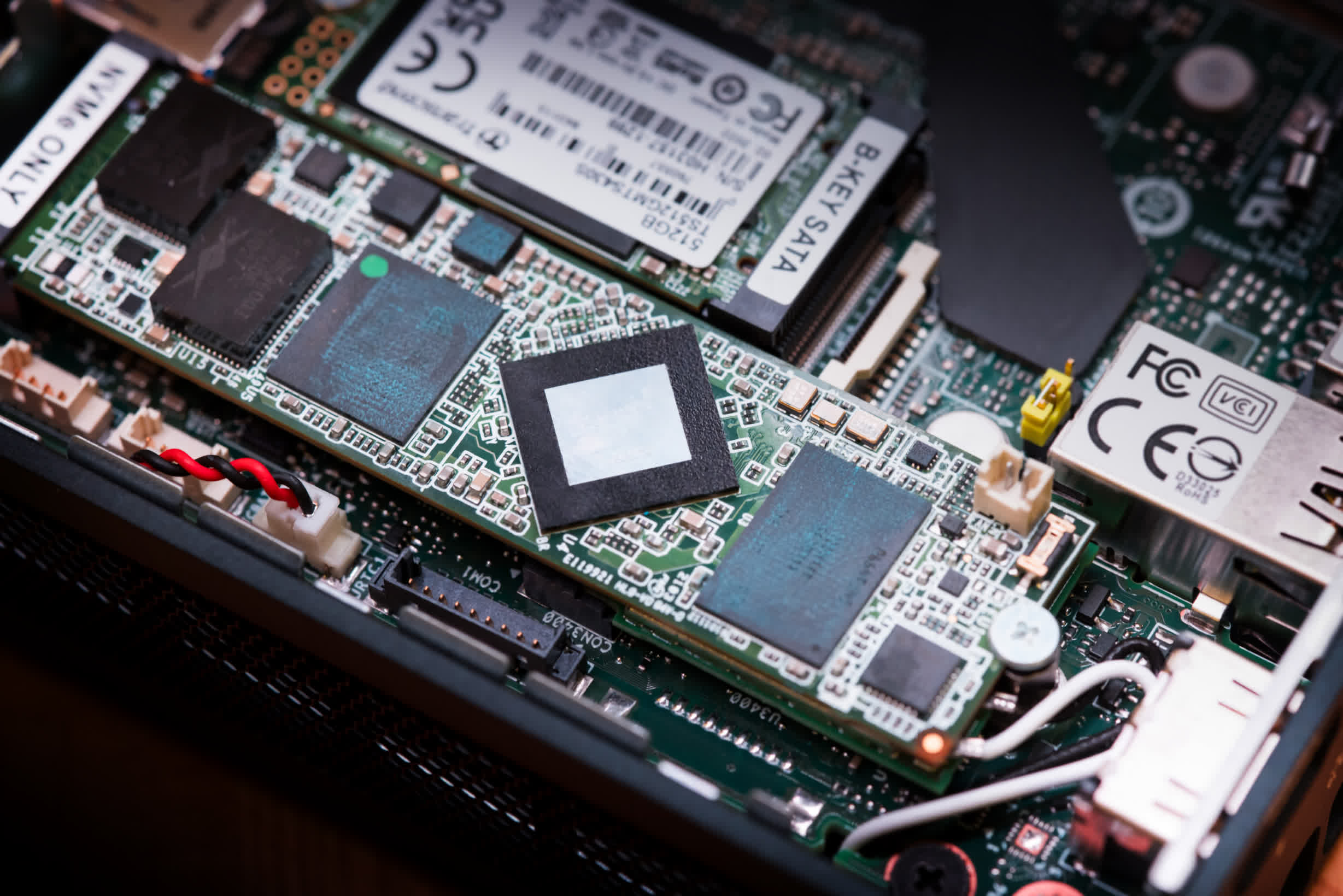
Microsoft cited several examples demonstrating how NPUs can make tasks on the PC faster and more efficient. In Windows, it is now possible to use natural language to search for files and photos. Mu, the small language model introduced this past summer, serves as an AI agent to help with OS settings.
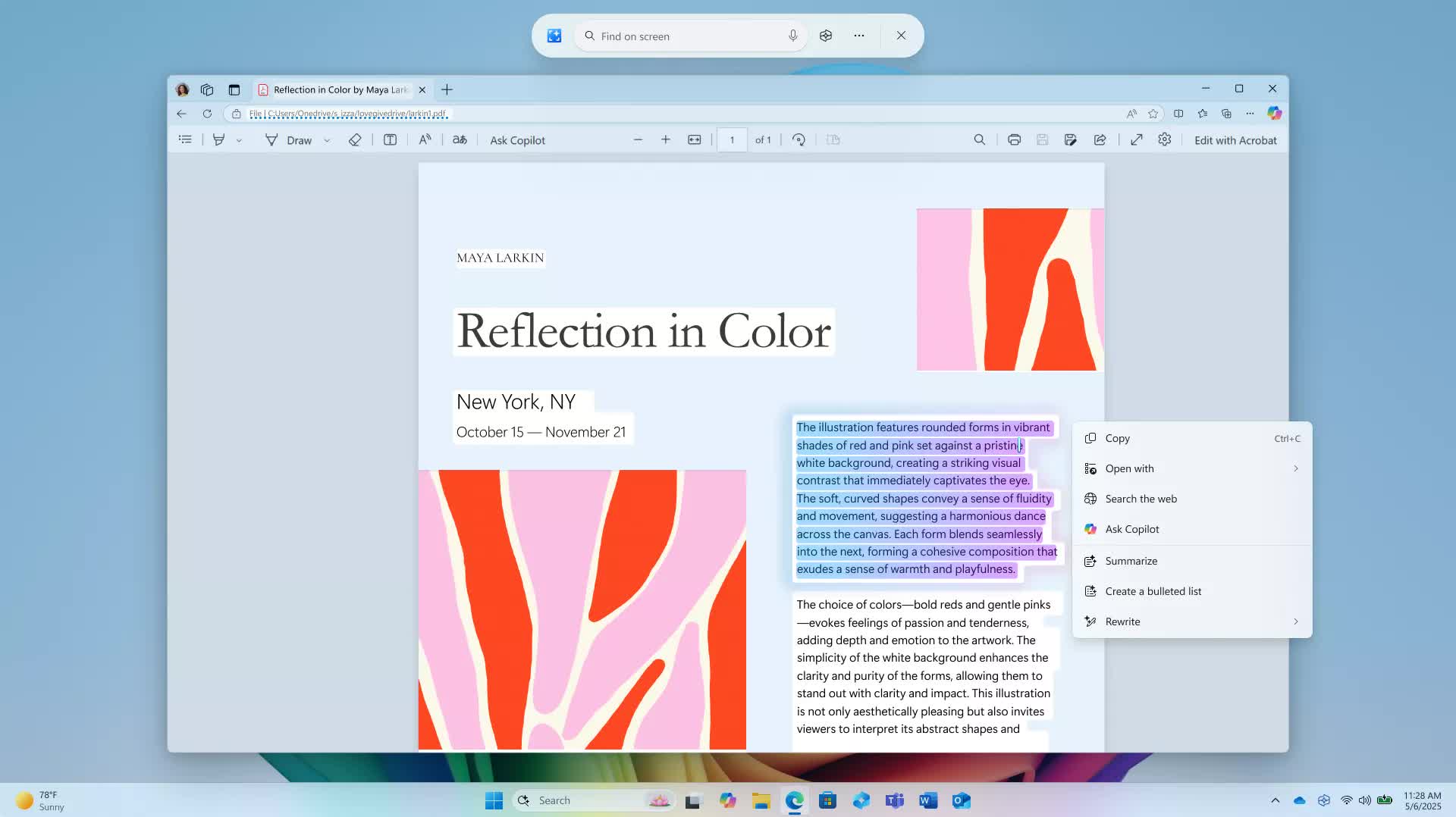
The controversial Recall feature, relaunched earlier this year after a privacy overhaul, is also powered by the NPU, as is Click to Do. The latter identifies on-screen text and images locally, and can take action on them on your behalf. A new feature in the Microsoft Photos app called relight, meanwhile, makes it trivially easy to add complex lighting elements to poorly lit images.
Microsoft said another benefit of the NPU is the ability to run multiple AI-enabled apps simultaneously. And when combined with cloud-based large language models, consumers should be able to get even more out of AI.
Should Microsoft's vision of AI agents come to fruition, it is not difficult to imagine a future where even more of our digital lives are put on autopilot. To get there, of course, AI agents will need to gain the trust of consumers. Once (if) that happens, however, there may be no going back.
Image credit: Dan DeLong


