The takeaway: As the industry shifts toward agentic browsers and more human-like AI companions – such as OpenAI's new Atlas and Anthropic's latest Claude models – Microsoft wants Copilot to remain the core assistant people rely on for work, learning, and everyday digital tasks. Whether Mico succeeds where Clippy and Cortana did not will depend on how naturally users embrace the idea of talking to a computer that talks back – and remembers everything you say.
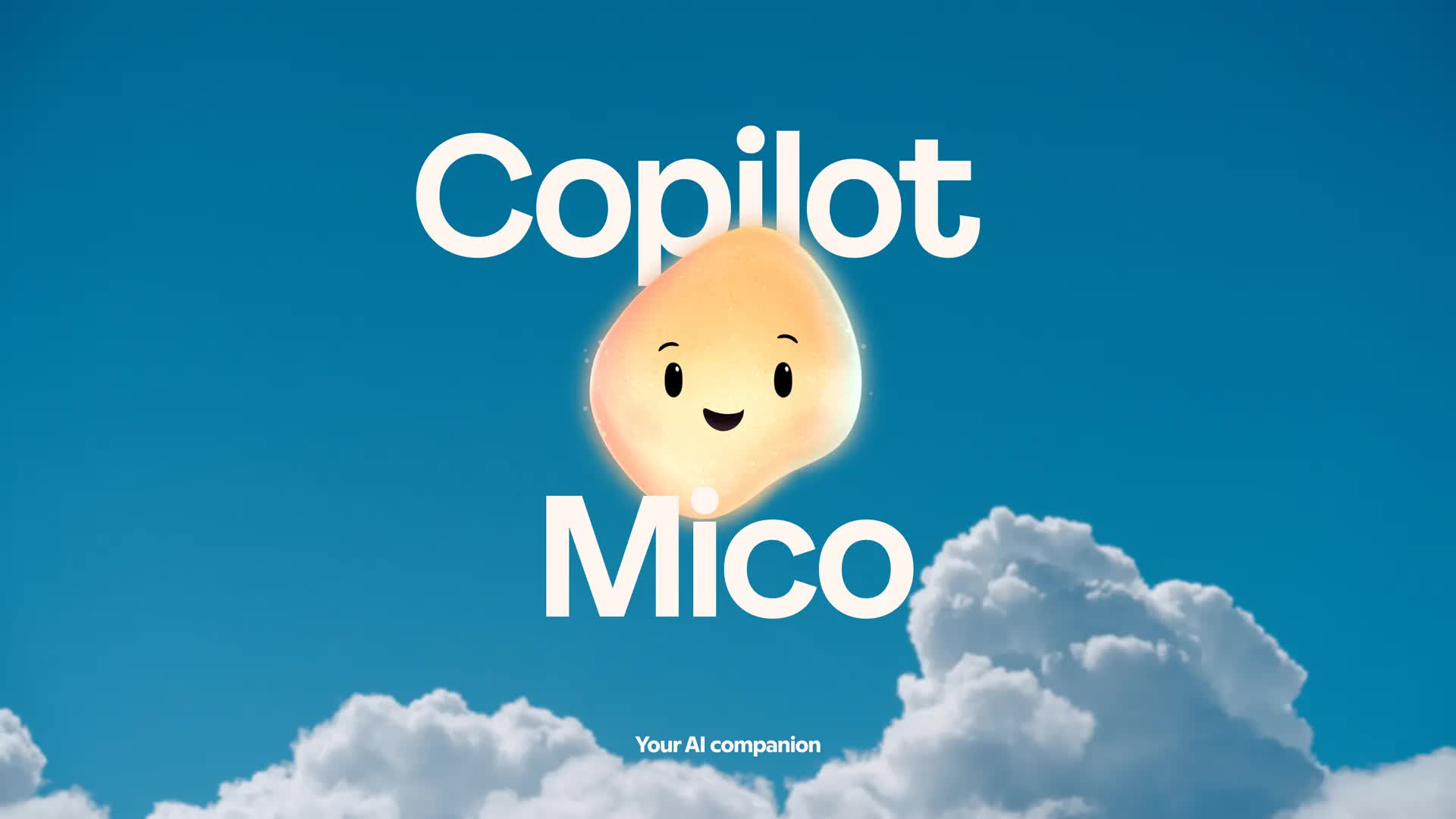
Microsoft has released major updates to its Copilot digital assistant that include the introduction of Mico, an animated avatar that gives the AI a human touch by reacting with real-time expressions during voice interactions.
There are new features that make the assistant more interactive and better suited for collaboration. Users can now work in shared spaces called Groups, enabling up to 32 participants to co-edit documents, brainstorm, and manage ongoing projects. The assistant's new long-term memory allows it to retain details about tasks, lists, and preferences, helping Copilot recall prior conversations and reference information when users return to a project.
"It's absolutely essential for a companion to have memory," said Ella Steckler, AI product manager at Microsoft. "With Copilot's long-term memory, it naturally picks up on important details and remembers them long after you've had the conversation."

Microsoft has expanded Copilot's cross-platform capabilities to include Outlook and Google's productivity applications. Within its Edge browser, Copilot can, with user permission, access browser tabs, summarize and compare information, and even perform tasks such as booking travel. Past searches can also be organized into "storylines," allowing users to revisit older topics or projects.
The new features, available first to users in the United States, will roll out to the United Kingdom, Canada, and other regions in the coming weeks. Microsoft said improvements have also been made to the way Copilot handles health-related questions, placing greater emphasis on sourcing from credible medical information to counter the risk of misinformation.
The most notable enhancement is Mico, the virtual avatar that gives Copilot a more personal and expressive presence during conversations. The animated character, whose name plays on "Microsoft Copilot," expresses emotions and changes color as it converses with users.
"It's something you can see, that reacts as you speak to it," Jacob Andreou, Microsoft's corporate vice president of product and growth for AI, told The Verge. "If you talk about something sad, you'll see its facial expressions react almost immediately. All the technology fades into the background, and you just start talking to this cute orb and build this connection with it."
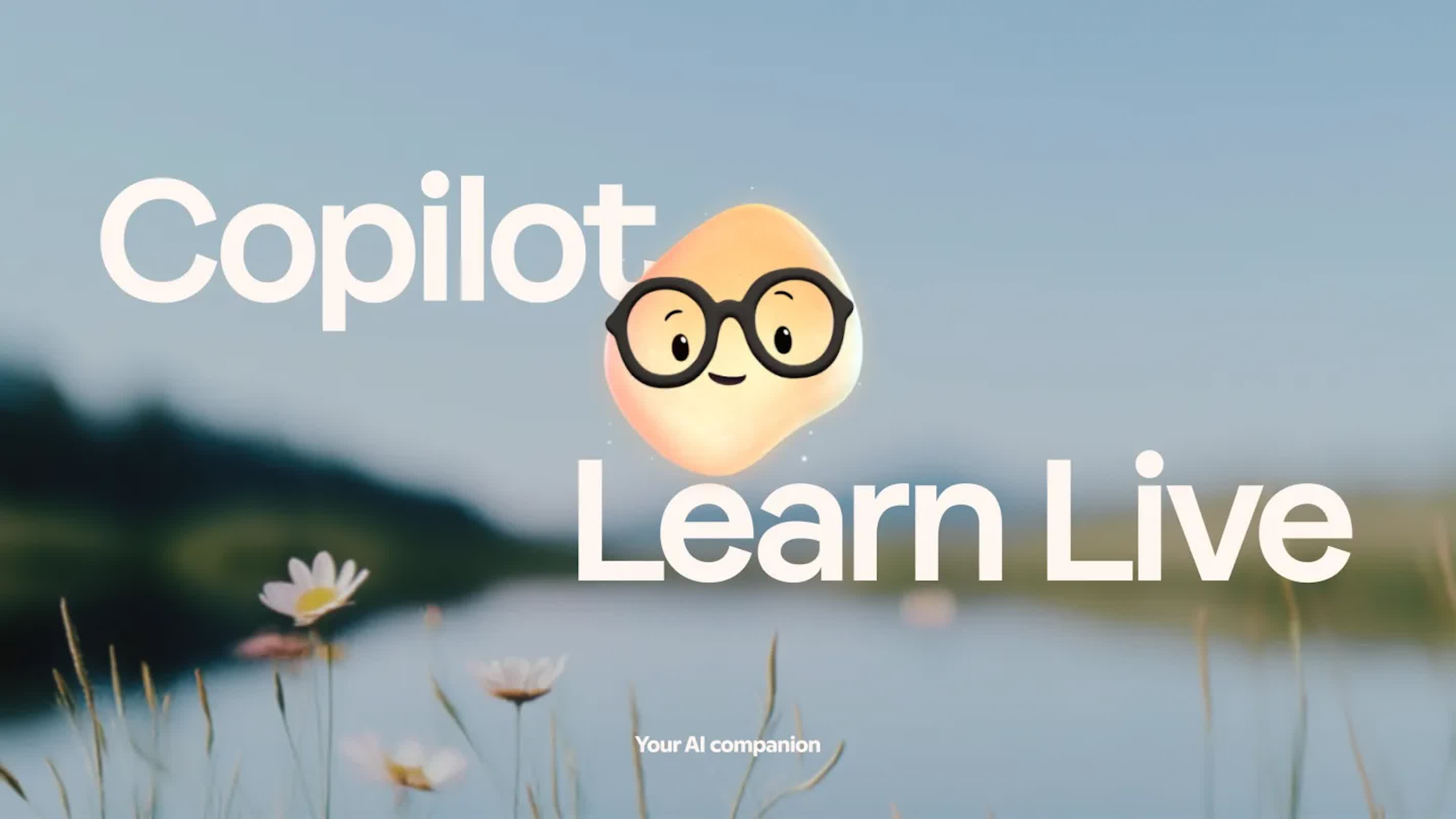
Mico operates primarily in voice mode and is enabled by default for US users. It relies on Copilot's new memory capability to recall personal details and contextual information from past interactions. Microsoft is also introducing a "Learn Live" mode that turns Mico into an interactive tutor, using whiteboards and visual prompts to guide users through topics such as language study or academic revisions. The approach draws partly on Socratic dialogue – encouraging engagement through guided questioning rather than direct answers.
Mico is a continuation of Microsoft's long-running experiments with digital assistants. Nearly three decades ago, the company introduced Clippy in Microsoft Office as a help feature that quickly became infamous for its interruptions. A later attempt came in 2014, when Microsoft launched Cortana for Windows Phone and later integrated it into Windows 10 PCs. Despite early enthusiasm, Cortana never gained mainstream adoption and was officially discontinued for Windows 11 in 2023.
This time, Microsoft is betting that advances in natural language models and real-time animation will help overcome the persistent challenge of making conversational computers feel intuitive rather than intrusive. "Clippy walked so that we could run," Andreou joked. The company even left a nod to its history buried in the new software – Andreou hinted there's an Easter egg that appears "if you poke Mico very, very quickly."
The launch of Mico also fits into a broader vision outlined by Microsoft AI chief Mustafa Suleyman earlier this year. Suleyman said Copilot will develop a consistent visual and behavioral identity – "a presence," as he described it – and that it will exist within a defined environment that evolves over time.
Mico is part of that strategy, giving Microsoft's AI assistant a visual identity while the company markets Windows 11 PCs as "the computer you can talk to." The campaign highlights Microsoft's broader push to normalize voice-based interaction with computers, a concept that struggled to take hold during the Cortana era but now benefits from far more powerful generative AI technologies.


