
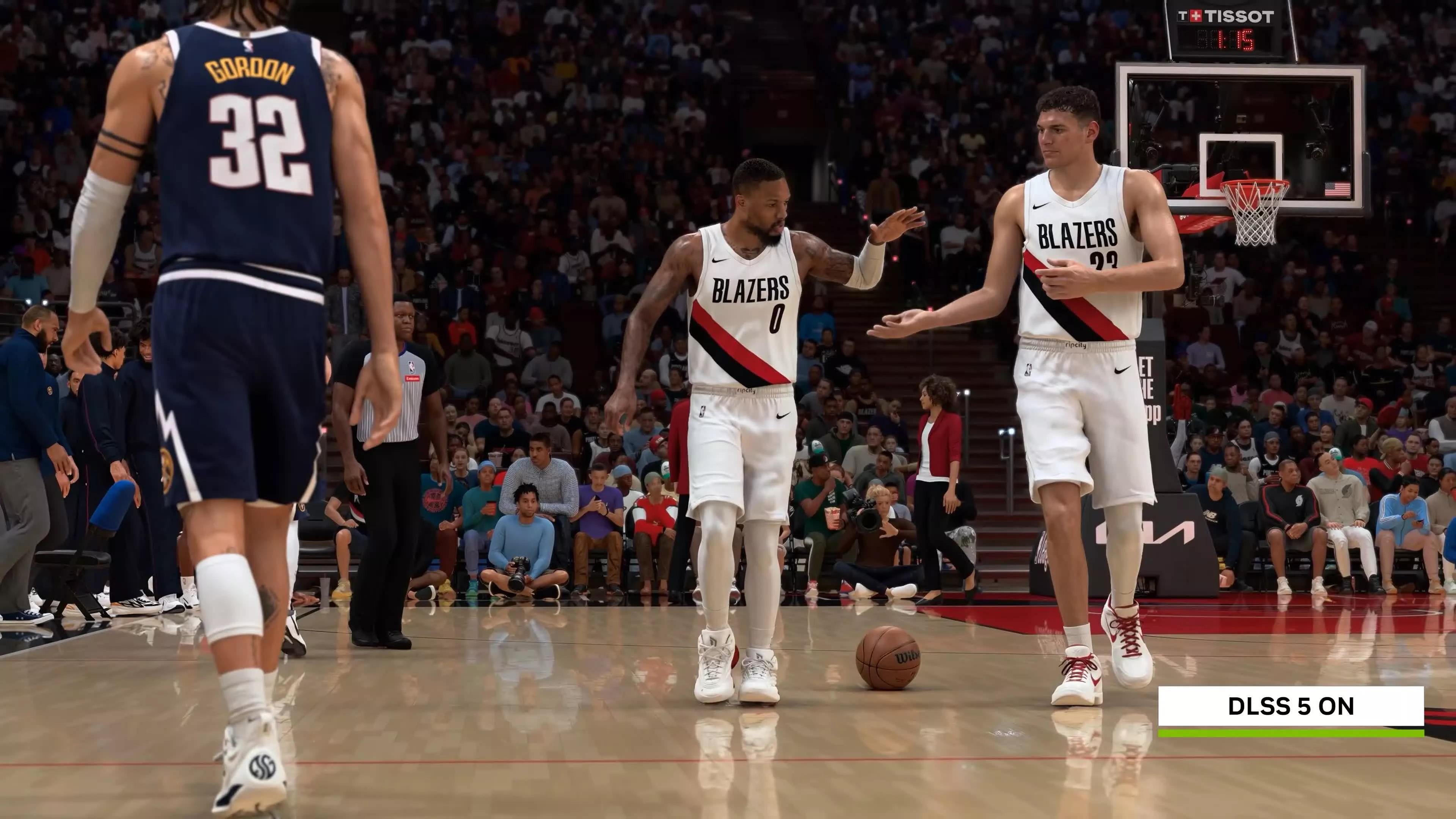
When we benchmarked DLSS 5 across the entire RTX 50 series last week with no frame generation inflating the charts, the numbers were bleak enough on their own. An RTX 5090 fell from 192 FPS to 76 FPS at 4K. An RTX 5060 Ti dropped from 129 FPS to 46 FPS at 1440p.
But another key detail was that enabling upscaling brought back a mere 9% in performance, and that's because DLSS 5's neural rendering pass runs after upscaling, on the final output frame, so its cost scales with your monitor's resolution rather than your render resolution. It's taking the modding community less than two weeks to produce two independent attacks on that problem, with caveats. One moves the neural pass earlier in the pipeline. The other moves it off the graphics card entirely.
Running the neural rendering before the upscaler
The first is Neural Upstream, a ReShade add-on now installable through the DLSS5-Autopilot tool. The idea is a single reordering: instead of render > DLSS Super Resolution > neural rendering at output resolution, it does render > neural rendering at render resolution > DLSS Super Resolution > output.
Because the neural network only enhances a frame and never upscales it, running it on the smaller image is where the saving comes from. At 4K with DLSS Quality, the model chews through roughly 2.7 million pixels instead of 8.3 million.
The numbers posted to r/nvidia are striking – even if they don't represent the Nvidia's original take on DLSS 5, it's all about experimentation at this point: on an RTX 4080 in Assassin's Creed Shadows at 4K the feature's cost dropped from roughly 32 FPS to 13 FPS, making the upstream route around 61% faster. Testers have since reported similar behavior in Stalker 2, Cyberpunk 2077, and GTA V Enhanced. OptiScaler has an experimental feature doing something comparable through its own hooking system.
The catch is obvious though. If you feed a neural network less image data, then you get less out of it. Nvidia almost certainly placed the pass last because that's where fidelity is best, and DLSS 5 already has an uncanny-valley problem it could not afford to make worse.
Take two: Give neural rendering its own graphics card
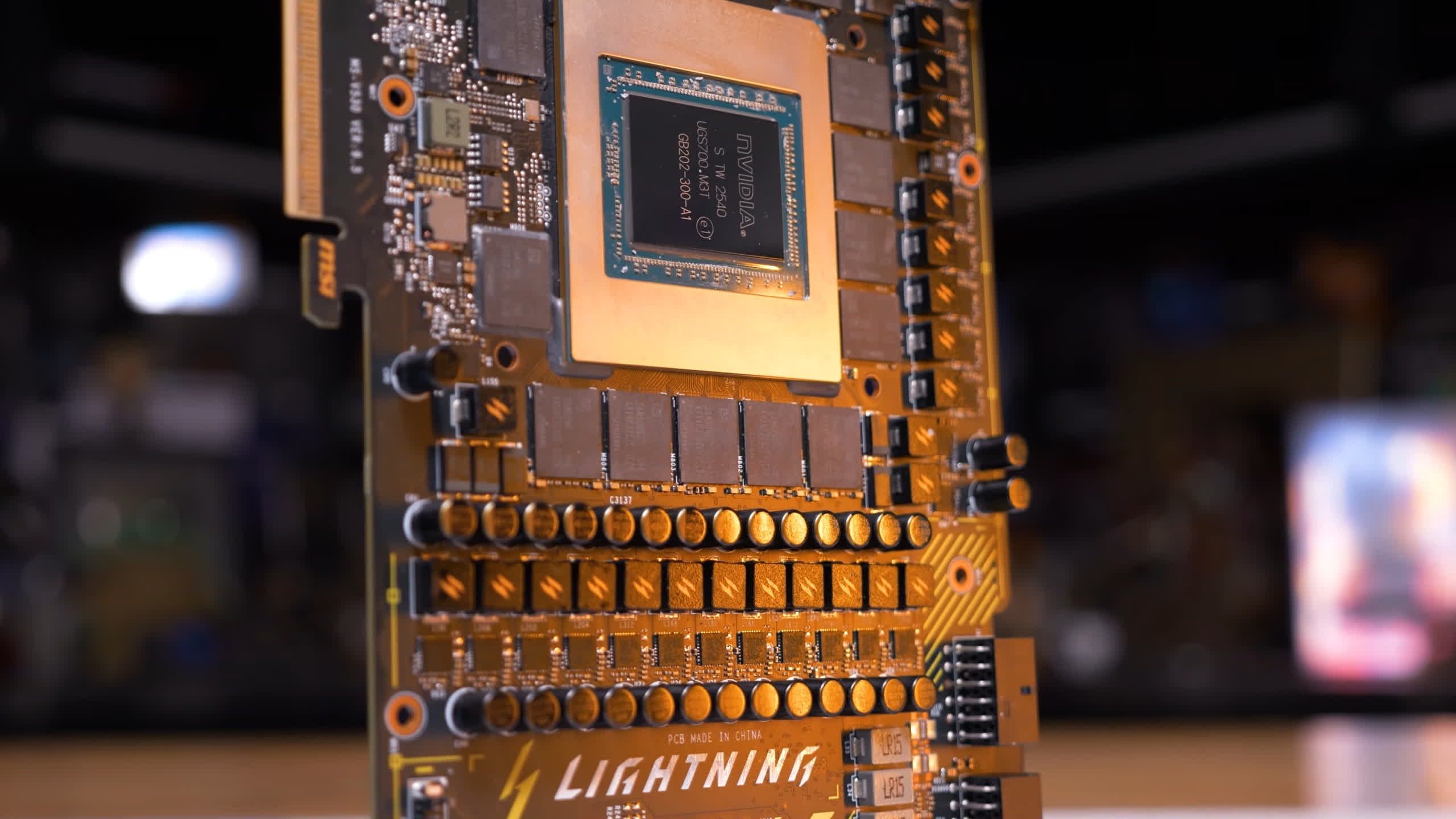
The second approach comes from Marcelo Guibout who published MGPU Bridge, a ReShade add-on that renders the game on one GPU and executes the neural pass on a second one.
Neural rendering is a terminal stage, so it takes a finished frame and hands back a finished frame. Nothing about it requires the same device that drew the frame. Let's not forget the first time Nvidia showcased DLSS 5, it was way less optimized and it took two RTX 5090s to run properly, with a single card dedicated to neural rendering.
Measured on two RTX 5060 Ti 16GB cards in The Blood of Dawnwalker at 1080p:
| DLSS mode | DLSS 5 off | On the render card | On the second card |
|---|---|---|---|
| DLAA | 67-70 | 44 | 67-70 |
| Quality | 98-99 | 54-55 | 91 |
| Performance | 127-131 | 59 | 106-107 |
| Ultra Performance | 172 | 69-71 | 157 |
The neural stage takes 35% to 60% of the frame rate when it runs on the render card, and 0% to 17% when it runs on the other one. The render card also ran 21 °C cooler with the load moved off. The comparison people keep reaching for is the old dedicated PhysX card.
The asterisks are substantial, however. MGPU Bridge requires two GPUs and two monitors, one per card, because the neural output is displayed by the card that produced it. Image quality may not be exactly the same as the original DLSS 5 pipeline, too. However it does present the question/idea that an official way to do this in two GPUs would be interesting (albeit very expensive proposition in this state of the GPU market).
Everything else, bundled for RTX 20, 30 and 40
Running parallel to modders' performance work is compatibility work, which has reached the point where somebody had to build an installer for the installers. DLSS Unlocked, from developer ShyVortex, combines OptiScaler_DLSSNR with DLSS Enabler to deliver neural rendering and multi-frame generation on Turing, Ampere and Ada, on both Windows and Linux.
On RTX 20 and 30 cards, every generated frame comes from AMD's FSR 3.1 rather than Nvidia's pipeline. On RTX 40, the first generated frame goes through DLSS-G and the rest are handed to FSR 3.1. You supply your own patched DLSS 5 DLL, which the project won't distribute for legal reasons.
A must-have warning with all this DLL injection... keep it away from anything with anti-cheat, and be careful where you source DLLs from after the malware warning DLSS Swapper's creator issued earlier this year.
Modders have already found two ways to make DLSS 5 playable, and neither one is Nvidia's


 )
)


