
What just happened? TP-Link continues to vehemently argue that it is a US, not Chinese, company. The Pentagon says otherwise, and so does US-based Netgear, which believes its rival makes false advertising claims and has cost it millions of dollars in lost sales because consumers wrongly think that it's no longer associated with China.
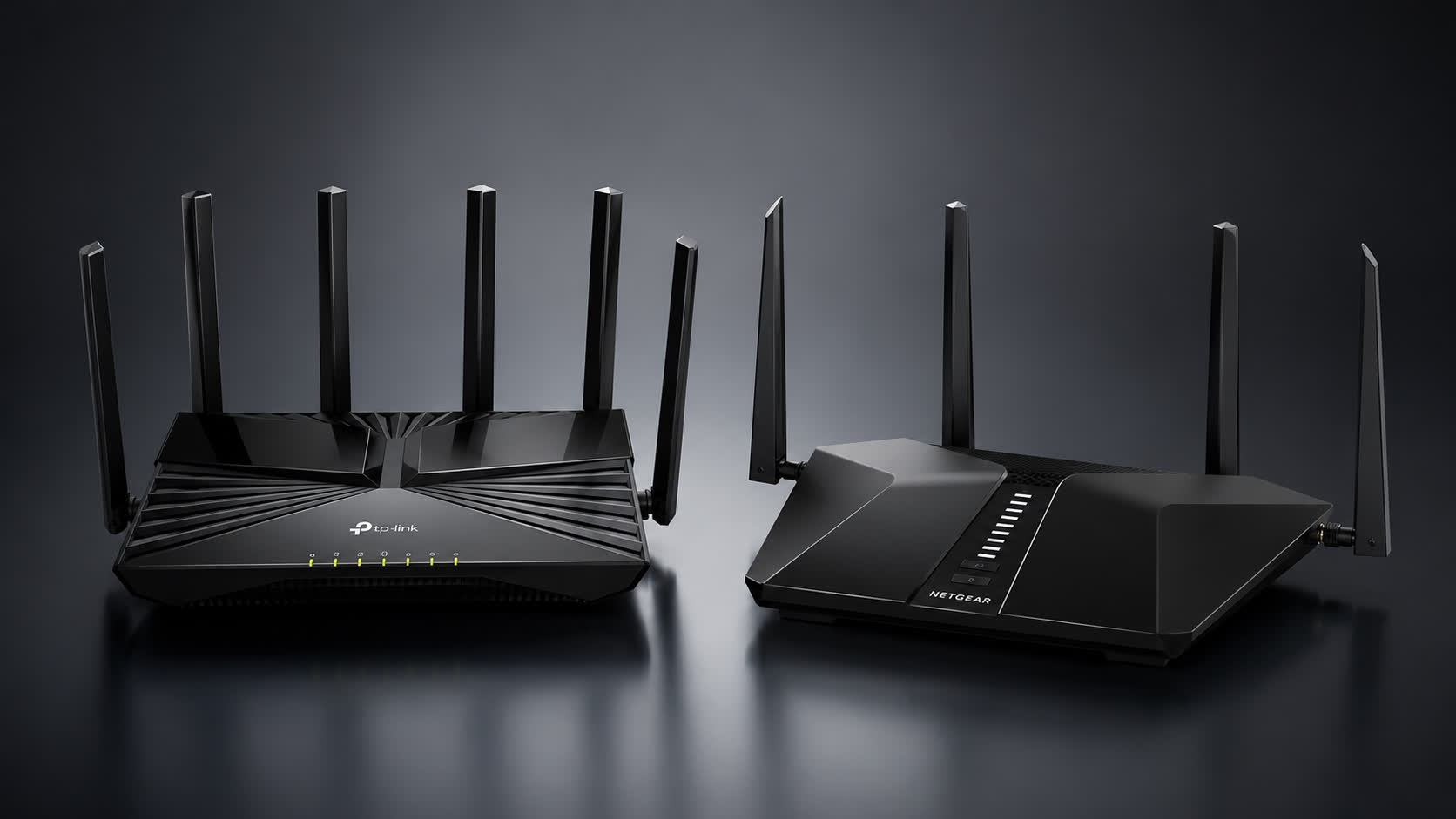
Netgear has filed counterclaims against TP-Link in the US District Court for the District of Delaware, escalating a legal fight that TP-Link started last November.
The original lawsuit accused Netgear of running a smear campaign that connected TP-Link to Chinese cyberespionage fears and breached a 2024 settlement between the two router giants. Netgear's response now says the real deception is TP-Link's attempt to rebrand itself as an American company.
According to the counterclaim, TP-Link "remains, at its core, a Chinese company selling Chinese-made products."
Netgear alleges that TP-Link's 2024 reincorporation in California did not fundamentally separate the business from China-based TP-Link Technologies, which later changed its name to Lianzhou.
It claims much of the company's R&D and manufacturing remains in China under the same cofounder, with more than 13,000 employees there through 2024, compared with around 350 in the US.
Netgear also takes aim at TP-Link's "Made in Vietnam" labeling, alleging that the country is mostly used for final assembly and that 99.5% of components in US-bound products are imported from China.
It says those claims are important because customers are increasingly wary of Chinese-made networking hardware, especially after federal agencies began scrutinizing TP-Link over pricing, cybersecurity, and national security concerns.
Netgear's filing arrived one day after the US Department of Defense added TP-Link Technologies to its list of Chinese military companies operating in the United States. The designation does not itself ban consumer sales, but it adds extra pressure as TP-Link tries to convince regulators that its US arm is independent.
TP-Link is already seeking an exemption from the FCC's foreign-made router ban by arguing that TP-Link Systems Inc. is headquartered in Irvine, California, and should be treated as an American company.
The FCC rules block approval of new consumer routers made outside the US, though existing devices can keep receiving updates until 2029. Netgear and Amazon-owned Eero have already received exemptions.
This isn't TP-Link's only courtroom problem, either. Texas sued the company in February, accusing it of deceptive marketing and allowing China-linked hackers to access American consumers' devices. TP-Link denied those allegations, insisting it is independent from the Chinese government and that US user data is stored in the United States.
Netgear is seeking damages and an injunction barring TP-Link from repeating the contested claims. TP-Link, meanwhile, maintains that Netgear's China-focused attacks are false, defamatory, and commercially motivated.
Netgear countersuit says TP-Link's American company rebrand is false advertising


 That's right, no one in the US tells you that they conducted a cyber attack. But perhaps the Chinese, European etc could tell something about it...


