NordVPN debuts new protocol that could make VPN connections undetectable

Alfonso Maruccia

Posts: 2,571   +956
Staff
In a nutshell: NordVPN has introduced a new protocol designed to bypass filters on restricted networks. According to the company, NordWhisper is significantly better at concealing a user's connection than competing protocols bypassing VPN restrictions by mimicking traditional web traffic, though different types of challenges may eventually arise.

Virtual private networks are a clever network architecture that creates a secure, encrypted connection between your device and the internet. It works by routing your internet traffic through a private server, hiding your IP address and encrypting your data to enhance privacy and security.

Using a mix of authentication, encryption, and tunneling, a VPN service can extend a private corporate network to remote locations, simulate access from different countries, and provide a secure means of exchanging files and data. VPNs can be highly useful for accessing the web and bypassing internet censorship, but they can also be used to mask and encrypt potentially unlawful activities.

The new NordWhisper protocol was developed to allow NordVPN customers to access remote resources from networks that typically restrict VPN traffic. According to the company, it is a solution for "navigating around" network restrictions and operates using different technology than traditional VPN protocols such as OpenVPN or WireGuard.
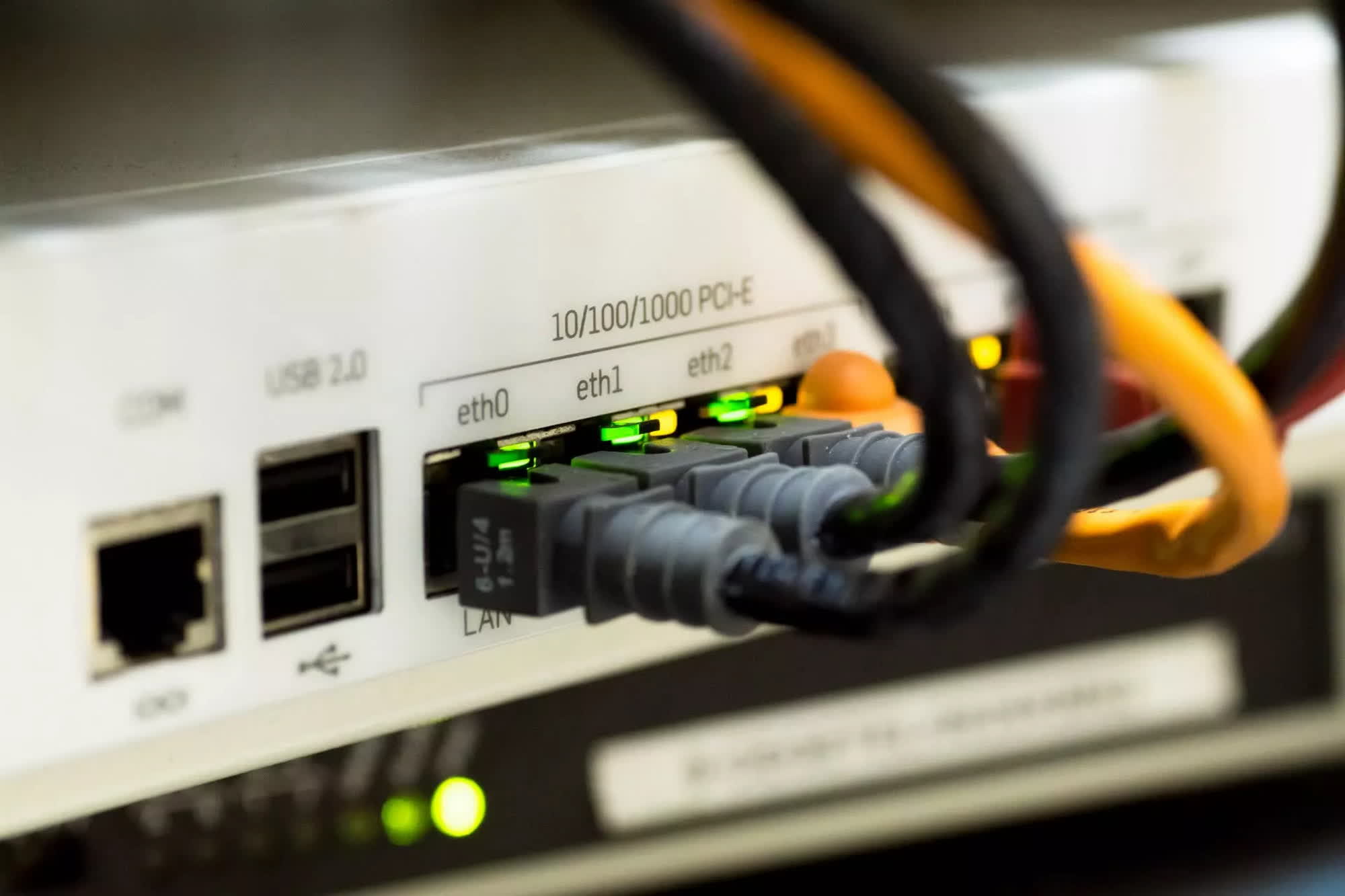
While traditional VPN protocols can be detected and blocked due to their unique traffic signatures and behavior, NordWhisper is designed to mimic regular web traffic. A NordWhisper-powered VPN connection should blend seamlessly with ordinary internet activity, giving users a better chance of bypassing filters and state-sponsored censorship.

However, the new protocol has a notable downside – NordVPN warns that NordWhisper may offer slower internet speeds than other VPN protocols under certain conditions.

The company states that the new protocol is designed for restrictive environments but has not provided specific scenarios in which it would be most useful. However, it can be assumed that political dissidents, activists, and other individuals in sensitive situations could benefit the most from the technology. Users attempting to access the open internet from heavily censored regions such as China or Russia may also find NordWhisper particularly valuable.

NordWhisper is expected to become available soon via NordVPN apps. The protocol will be gradually rolled out to Windows, Android, and Linux users first, with support for other platforms to follow over time.

Permalink to story:

 
This article presents VPNs primarily as security tools, but it's important to distinguish between two distinct use cases. Traditionally, VPNs extend a secure network—such as a corporate LAN—over untrusted infrastructure, effectively creating a private extension of that network. However, consumer VPNs, including NordVPN, serve a different purpose: protecting the access layer by shifting where traffic egresses to the internet. This does not inherently provide end-to-end security; it just changes who you trust with your traffic. Modern internet protocols, like TLS, already ensure encryption for most applications, so while VPNs can enhance privacy in certain scenarios (e.g., evading censorship), they don’t fundamentally change the security model of most online interactions.
 
This article presents VPNs primarily as security tools, but it's important to distinguish between two distinct use cases. Traditionally, VPNs extend a secure network—such as a corporate LAN—over untrusted infrastructure, effectively creating a private extension of that network. However, consumer VPNs, including NordVPN, serve a different purpose: protecting the access layer by shifting where traffic egresses to the internet. This does not inherently provide end-to-end security; it just changes who you trust with your traffic. Modern internet protocols, like TLS, already ensure encryption for most applications, so while VPNs can enhance privacy in certain scenarios (e.g., evading censorship), they don’t fundamentally change the security model of most online interactions.

Generally agree. Open public wifi is one of the main times I like to use it. And testing geoip features.

but the vpn marketing has ensured nobody will learn that and this article has a strong whiff of paid ad. After all it acts like this is a new idea never done before and routing vpn through http traffic is not new. Proton has had stealth for ages and pretty sure they weren't the first either. And then there's the wireskip protocol
 
It is a great idea for when services ban users who use VPNs. But this is not a victory.
This is just one battle won for VPN, the services that do not want to allow it will come up with something as well.
 
The sales pitch about "VPNs making your banking safer", is pretty much bulsh!t. I want my bank to know exactly who's calling, and from what machine. I hope they catalog my motherboard, the copy of Windows being used, and IP address, anytime I attempt to log in.
 
Click the NordWhisper link in the article. It takes you to the Italian version of the site.
Fancy that.. And here up to now, I thought our writers never made mistakes. ;)

Although, more people speak English than I Italian. Most Russian and Chinese hackers can speak English. So I guess that might be considered "an extra layer of security". :rolleyes:

Either that, or "Whisper" mischievously pranked you with a tunnel you didn't request. Did it at least give you the currency exchange rate? 🤣
 
Unfortunately because it's a VPN it's still detectable IF someone really looking but I get it.. still glad I dropped Nord last week after like 8 years for Proton Unlimited instead.. nothing against Nord it's a good VPN but proton is a worthy cause & also excellent
 
This article presents VPNs primarily as security tools, but it's important to distinguish between two distinct use cases. Traditionally, VPNs extend a secure network—such as a corporate LAN—over untrusted infrastructure, effectively creating a private extension of that network. However, consumer VPNs, including NordVPN, serve a different purpose: protecting the access layer by shifting where traffic egresses to the internet. This does not inherently provide end-to-end security; it just changes who you trust with your traffic. Modern internet protocols, like TLS, already ensure encryption for most applications, so while VPNs can enhance privacy in certain scenarios (e.g., evading censorship), they don’t fundamentally change the security model of most online interactions.

The DNS provider for your ISP, is able to track you, purely based on the URL's you request. That's one reason to switch to a different DNS server. A VPN can cover that but my experience with Cloudflare (just enter 1.1.1.1 in your DNS settings) works just so much better.

Most websites now are secured with HTTPS; traffic is encrypted but in some countries or some professions the use of a VPN is just needed. It's because of a internet restriction filter, often weird laws that prohibit the surfing to certain sites, or for example, as part of the EU sanctions,

have https://www.rt.com/ blocked - using cloudflare as a DNS actually evades that. VPN is sold as the number one secure thing as if you can do all sorts of things without getting caught for it, wrong. Your payment is the number one lead to any data request in the first place.

Ive dove a couple of times into the VPN type of thing, but a VPN does not protect you whenever a data request is served to for example, Google, Apple, Meta or anything in this order. Meta products have a backdoor where police could monitor.

There's some much stronger VPN services that offer a open source in this regard: https://www.cryptostorm.is/

And it's needed in some countries that have some sort of dictatorship.

I've noticed that I can tunnel my connection twice btw. I make my phone connect to my wireless. I setup a super secure VPN connection and then I share that connection over USB to my PC. On my PC I setup another strong encrypted VPN connection and voila, good luck even deciphering that.

 
Click the NordWhisper link in the article. It takes you to the Italian version of the site.
Enlightenment for the obviously not so tech savvy including captain plank - simply remove the it/ part of the URL to get the english version.
 
Enlightenment for the obviously not so tech savvy including captain plank - simply remove the it/ part of the URL to get the english version.
Tried that, it didn’t work once I had already visited the link. Had to go down to the bottom of the page and select English.
 
Back