
In brief: Following reports of melting and burning power cables from RTX 4090 owners, users are understandably concerned about Nvidia's upcoming next-generation high-end graphics cards. Although all RTX 50 series GPUs have higher power requirements than their predecessors, Nvidia has expressed confidence that the now-standard 12V-2x6 power cables are safe.
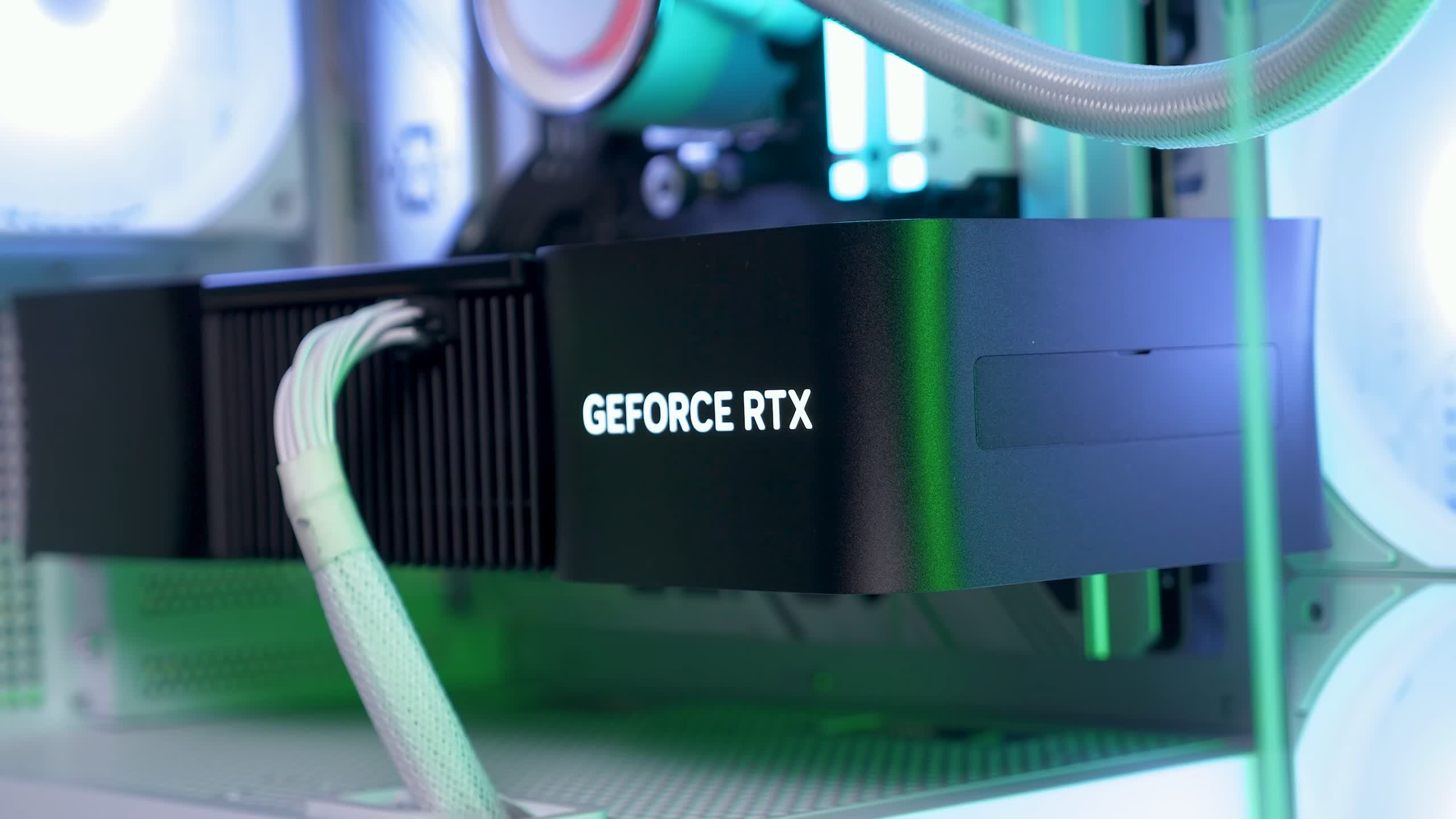
Nvidia recently reassured customers that its upcoming RTX 50 series graphics cards won't repeat the controversy from two years ago when the flagship RTX 4090 power cables began melting and burning. The company has since switched to a new cable standard.
Users began reporting issues with Nvidia's RTX 4090 power cables in late 2022, and the episode eventually led to a class-action lawsuit. An internal investigation determined that the affected cables were incorrectly inserted, ultimately blaming user error, but some disagreed.
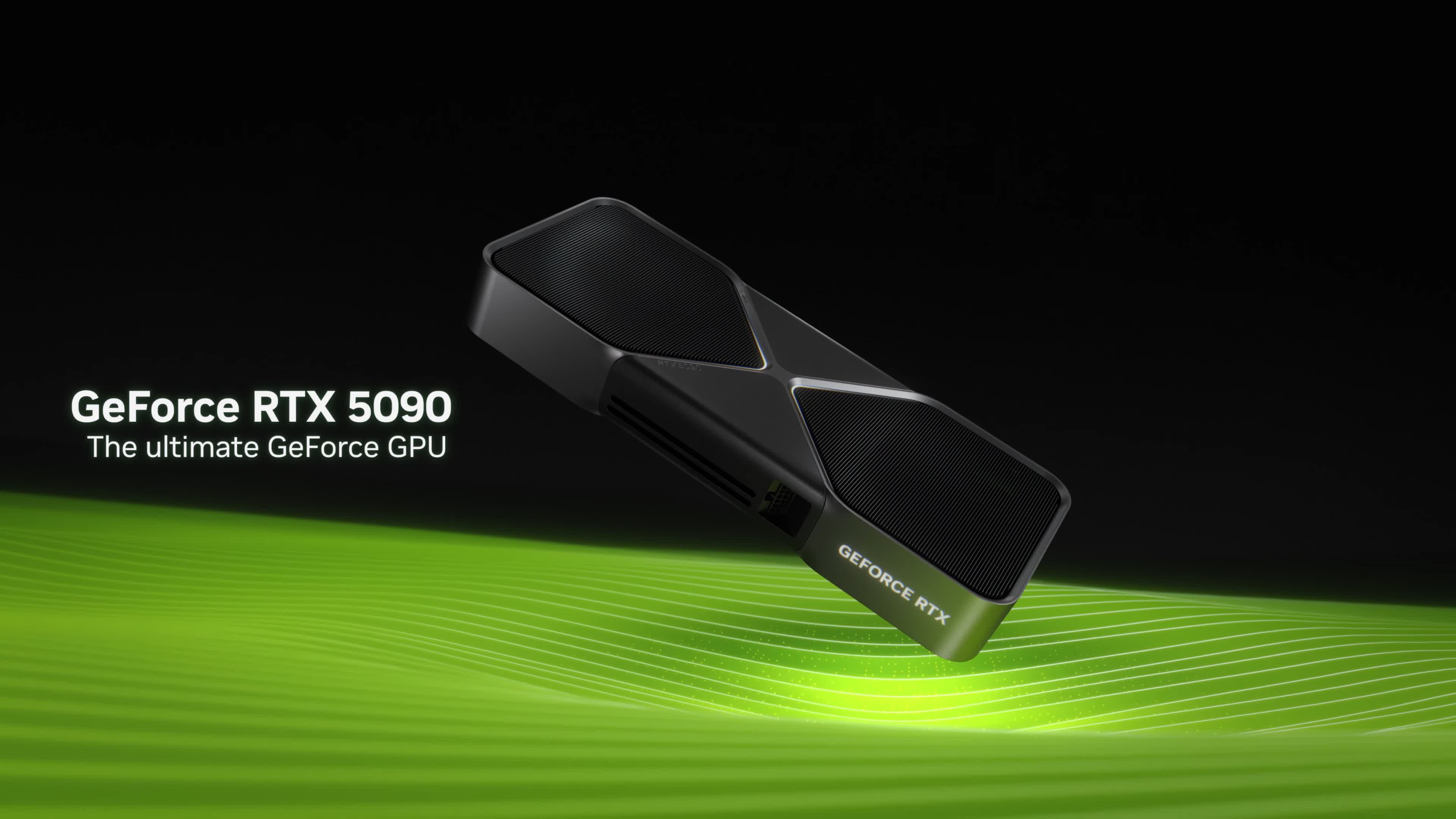
The PCI-SIG had previously issued warnings that 12VHPWR power adapters, which many customers used to plug the RTX 4090 into older ATX 2.0 power supply units, could overheat. As recently as late 2023, signs indicated that potentially hundreds of 4090s suffered from burning cables each month.
In response, Nvidia shifted to 12V-2x6 power cables, which haven't faced the same complaints as 12VHPWR. HardwareBusters and Linwell ran tests confirming that the new standard maintains safe temperatures even when improperly connected. At the recent 2025 RTX AI event in Seoul, Nvidia claimed it hadn't received any complaints regarding GPU power cables in two years.
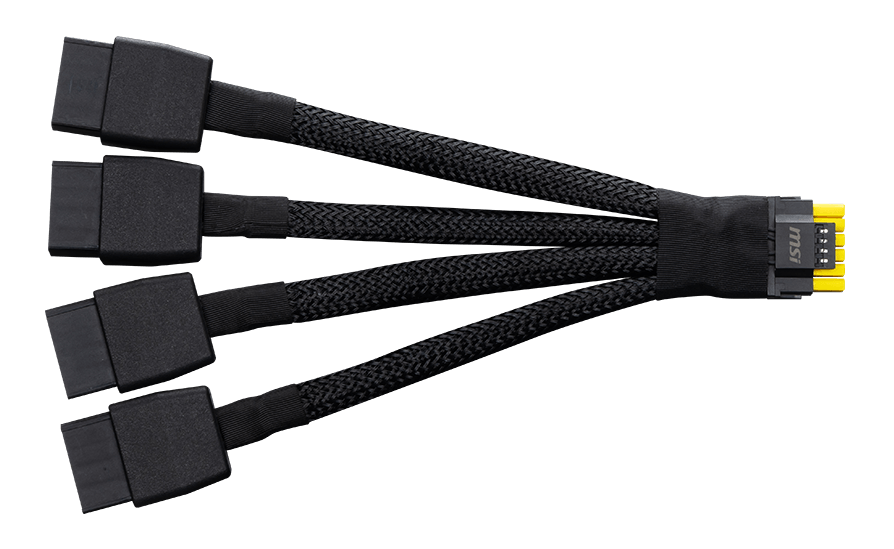
Taiwan manufacturer MSI is taking an extra precautionary step. Images on the company's website show that it will ship the RTX 5090, 5080, and 5070 Ti with yellow-tipped power cables. When properly inserted, the yellow paint will not be visible, letting users know they have a properly seated cable.
Meanwhile, Intel's and AMD's latest GPUs still use the older 8-pin format, which remains the most reliable at power levels under 300W. The decision is unsurprising since all Intel Arc Battlemage and AMD RX 9000 graphics cards target mid-range and entry-level performance tiers well below 300W.
Nvidia's RTX 5090 (575W) and 5080 (360W) should launch on January 30, while the 5070 Ti (300W) might begin shipping on February 20. The 5070's (250W) release date remains uncertain, but AMD's Radeon RX 9070 XT will compete against it in March.
Future generations of hardware might eliminate power cables if Asus's BTF format gains acceptance. The company has spent the last few years trialing a new standard that connects the GPU, motherboard, and PSU without cables, removing a potential failure point.
Nvidia says RTX 50 GPUs won't suffer a repeat of melting 4090 power cables


