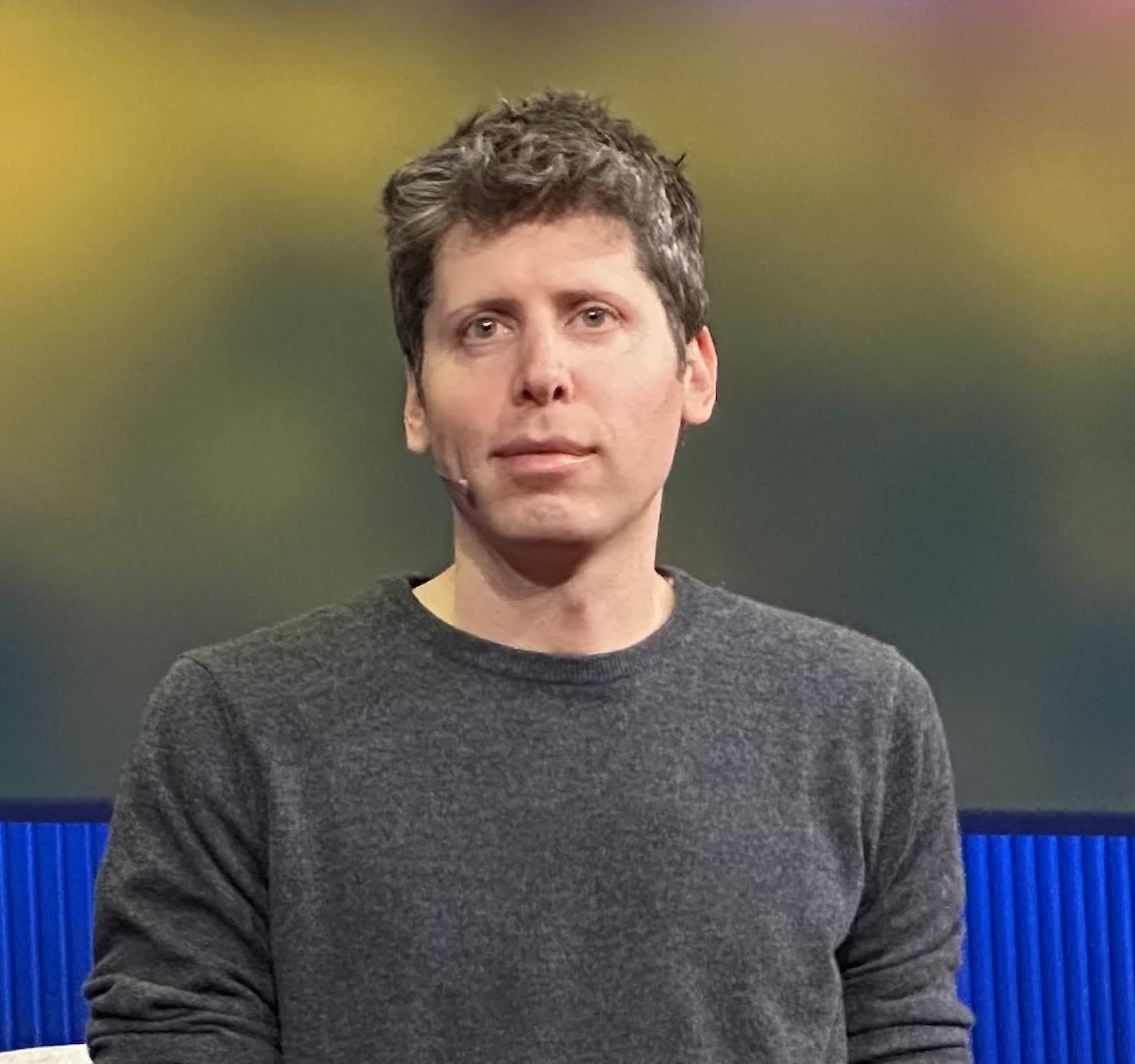
What we know so far: Even with uncertainties around timing and valuation, the potential scale of Nvidia's investment signals an escalation in the capital intensity of the AI industry and cements the chip designer's central role in shaping the technology's future infrastructure. Executives from both companies are describing the effort as foundational for the next era of the industry. "Compute infrastructure will be the basis for the economy of the future, and we will utilize what we're building with Nvidia to both create new AI breakthroughs and empower people and businesses with them at scale," OpenAI CEO Sam Altman said.
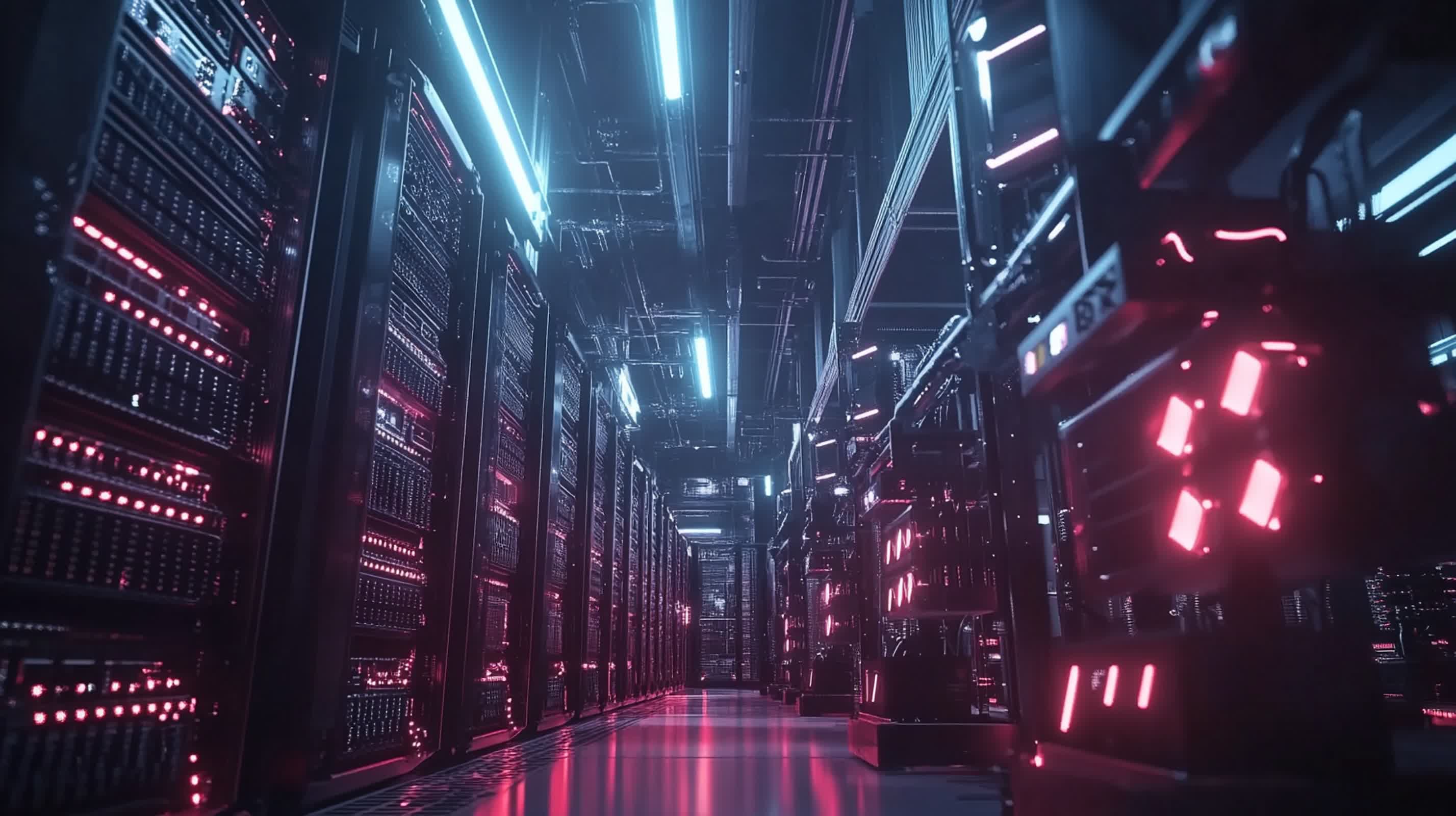
Nvidia is preparing to make one of the largest corporate investments in history, committing as much as $100 billion to OpenAI as part of a sweeping agreement to expand the infrastructure underpinning artificial intelligence. The deal involves OpenAI purchasing millions of Nvidia's high-performance processors to support the build-out of up to 10 gigawatts of computing capacity, equivalent to the output of 10 nuclear power plants.
At its full scale, the investment would eclipse any previous private-company financing round and exceed landmark acquisitions in the technology sector, such as Microsoft's $75 billion purchase of Activision Blizzard.
Nvidia's commitment is structured as a staged equity purchase in OpenAI, people familiar with the matter told The Financial Times. The first tranche, totaling $10 billion, would be deployed when OpenAI brings its initial gigawatt of computing power online. At OpenAI's current $500 billion valuation, that payment would give Nvidia about a 2 percent stake in the startup. Further equity purchases would be tied to subsequent deployments and executed at prevailing valuations. Nvidia plans to fund the investment entirely in cash.
While Nvidia could ultimately invest $100 billion, the overall build-out of the planned infrastructure is expected to cost as much as $400 billion, incorporating the expense of chips, land, and supporting facilities. OpenAI intends to spend over $100 billion on Nvidia processors alone, a commitment that one person close to the talks said would be financed in part by Nvidia's own equity investment as well as OpenAI's future revenues and additional funding sources.
The investment would give OpenAI access to 4 million to 5 million of Nvidia's GPUs. The computing power, spread among previously unannounced projects, is expected to be largely concentrated in the United States. The first operational phase is scheduled for the second half of 2026, when OpenAI will begin deploying Nvidia's forthcoming Vera Rubin chip system.
OpenAI, which remains unprofitable, has sought outsized commitments from multiple technology partners to fund its growth ambitions. Earlier this year, it signed a $300 billion, five-year agreement with Oracle for access to computing power and announced plans with Broadcom to develop its own line of AI chips. The company is also in negotiations with Microsoft, its earliest strategic investor, to shift to a new corporate structure that would allow outside investors to hold equity.
Nvidia, meanwhile, has expanded beyond chipmaking into direct investments across the AI ecosystem. In recent years it has taken stakes in cloud providers such as CoreWeave and Nebius, application developers like Elon Musk's xAI and Perplexity, and robotics start-ups Figure and Wayve. Analysts view the OpenAI deal as an extension of that strategy on a much larger scale. "Nvidia is consolidating control over the AI stack and reinforcing its position as the [sector's] indispensable enabler," Dmitri Zabelin, an analyst at PitchBook said.
Some observers note, however, that the arrangement may be less transformative than the headline figure suggests. Michael Cusumano, professor at MIT's Sloan School of Management, said the deal was "kind of a wash" given that "Nvidia is investing $100 billion in OpenAI stock and OpenAI is saying they are going to buy $100 billion or more of Nvidia chips."
Nvidia to invest $100 billion in OpenAI for 10 gigawatts of AI computing power


