Something to look forward to: As OpenAI and Ive's team prepare to unveil their first device, the technology world is watching to see if this collaboration can deliver the breakthrough that has so far eluded others. "It's a crazy, ambitious thing to make," Sam Altman said.
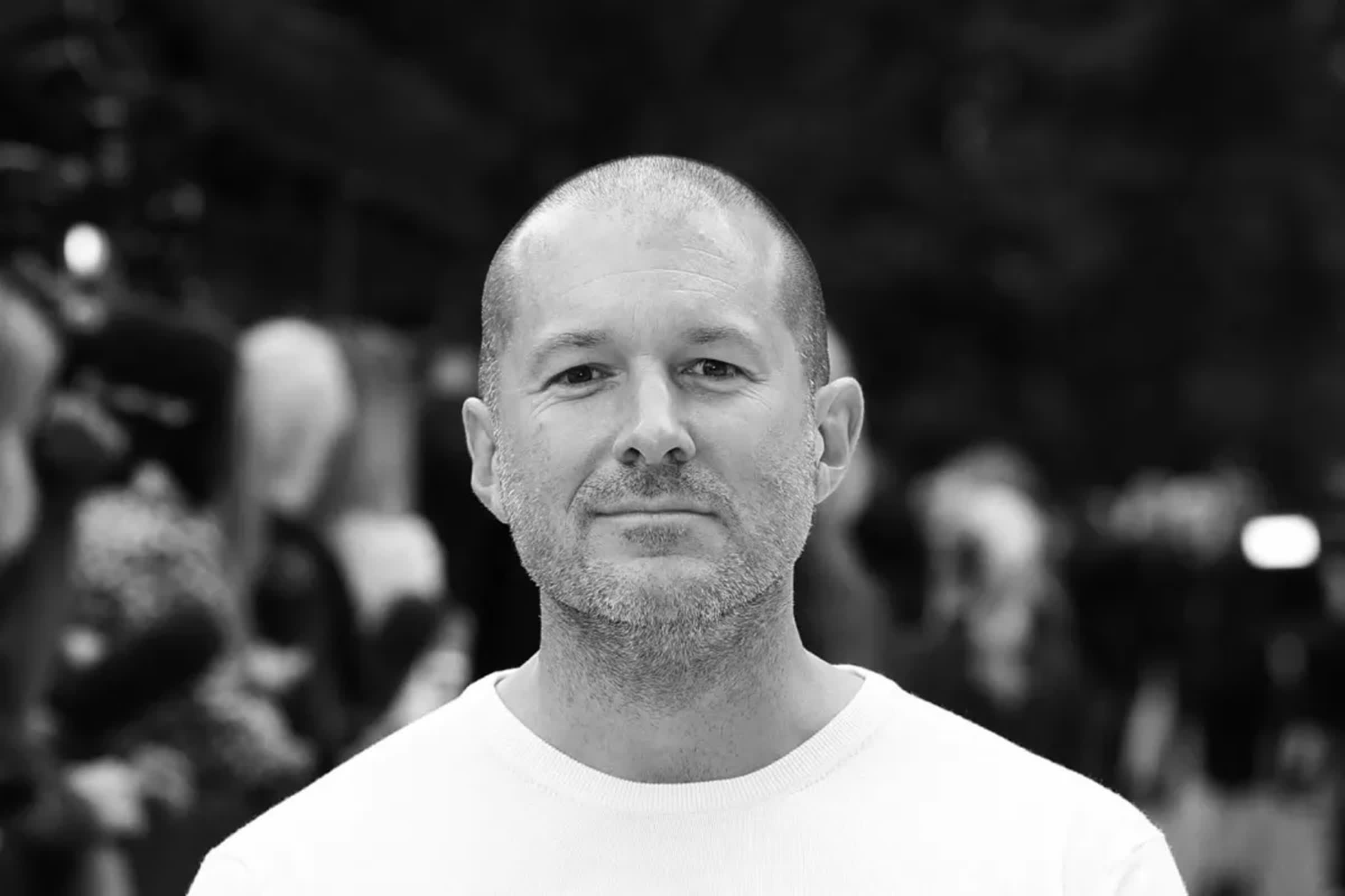
OpenAI is making a dramatic leap into the hardware business, announcing a nearly $6.5 billion all-stock acquisition of io, the artificial intelligence device startup co-founded by legendary Apple designer Jony Ive. The deal, the largest in OpenAI's history, signals a new era for the company as it aims to move beyond software and into physical consumer technology.
Ive, whose decades at Apple produced iconic products like the iPhone, iPad, and Apple Watch, described the moment as the most meaningful point in his career so far. "I have a growing sense that everything I've learned over the last 30 years has led me to this place and to this moment," he said in a joint Bloomberg interview with OpenAI CEO Sam Altman.
The acquisition brings together a formidable team. Alongside Ive are Apple alumni Evans Hankey, Tang Tan, and Scott Cannon, who helped shape Apple's hardware and software legacy. Hankey succeeded Ive as Apple's hardware design chief, Tan led iPhone and Apple Watch product design until 2024, and Cannon co-created the Mailbox app after his time at Apple.
The io team, which includes about 55 engineers, developers, and manufacturing experts – many former Apple employees – will join OpenAI.
OpenAI is paying $5 billion in equity for io, with the remainder of the $6.5 billion valuation reflecting a previous partnership: OpenAI acquired a 23 percent stake in io in late 2024. The deal is expected to close this summer, pending regulatory approval.
The partnership's goal is ambitious: to create a new family of AI-powered devices for an era of artificial general intelligence, fundamentally rethinking how people interact with technology.
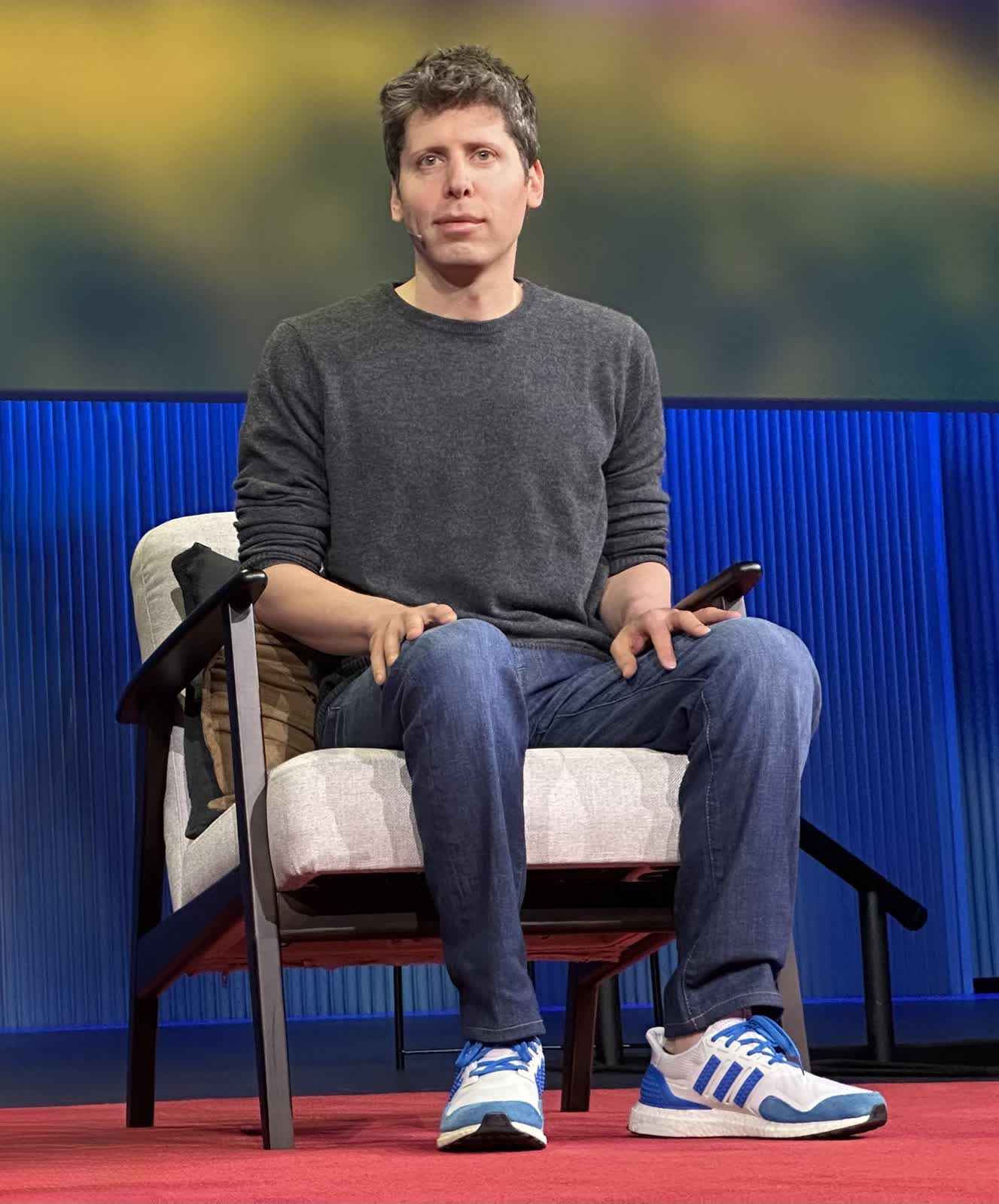 "OpenAI is going to create a product at a level of quality that has never happened before in consumer hardware," Altman said. "AI is such a big leap forward in terms of what people can do that it needs a new kind of computing form factor to get the maximum potential out of it."
Ive and Altman have been exploring hardware concepts for about two years, with their first device expected to debut in 2026. While they have not revealed specifics, they are clear that their goal is not to replace the smartphone outright. "In the same way that the smartphone didn't make the laptop go away, I don't think our first thing is going to make the smartphone go away," Altman said.
LoveFrom, Ive's design collective, will remain independent but will now take over all design for OpenAI, including software. The group includes veterans who helped define the look of the Mac and iPhone operating systems.
The acquisition comes as Apple faces pressure for lagging behind in AI, with its own platform relying partly on OpenAI's ChatGPT. The broader AI hardware market is still young, with few apparent successes.
Meta's Ray-Ban smart glasses have gained traction, but other efforts have stumbled. Ive was blunt in his assessment of recent AI hardware: "Those were very poor products," he said, referring to the Humane AI Pin and Rabbit R1 personal assistant device. "There has been an absence of new ways of thinking expressed in products."
Rabbit founder Jesse Lyu responded to the criticism, telling The Verge, "It's an honor to get mentioned by Jony Ive and Sam Altman about rabbit and rabbit r1. However, we don't like to be put side by side with Humane, a company that stopped trying, got acquired, and shut down."
Humane, another startup led by former Apple employees, was recently acquired by HP and shut down its AI Pin operations in February. Rabbit's R1 remains on the market, with recent updates including a memory log for improved context and a free trial of its upgraded AI-native operating system, Intern, as the company works on rabbitOS 2.0.
For Ive and his team, the move to OpenAI represents a chance to shape the next chapter of consumer technology. "I have felt that my most important and useful work is ahead," Ive said.
OpenAI bets big on hardware with $6.5 billion acquisition of Jony Ive's startup


