WTF?! The government really isn't helping itself in its effort to reverse the public's anti-data center feelings. A new report highlights how, when private citizens refuse to sell access to their land for these facilities' transmission lines, power companies can sometimes use legal authority that allows private property rights to be taken without a landowner's consent.
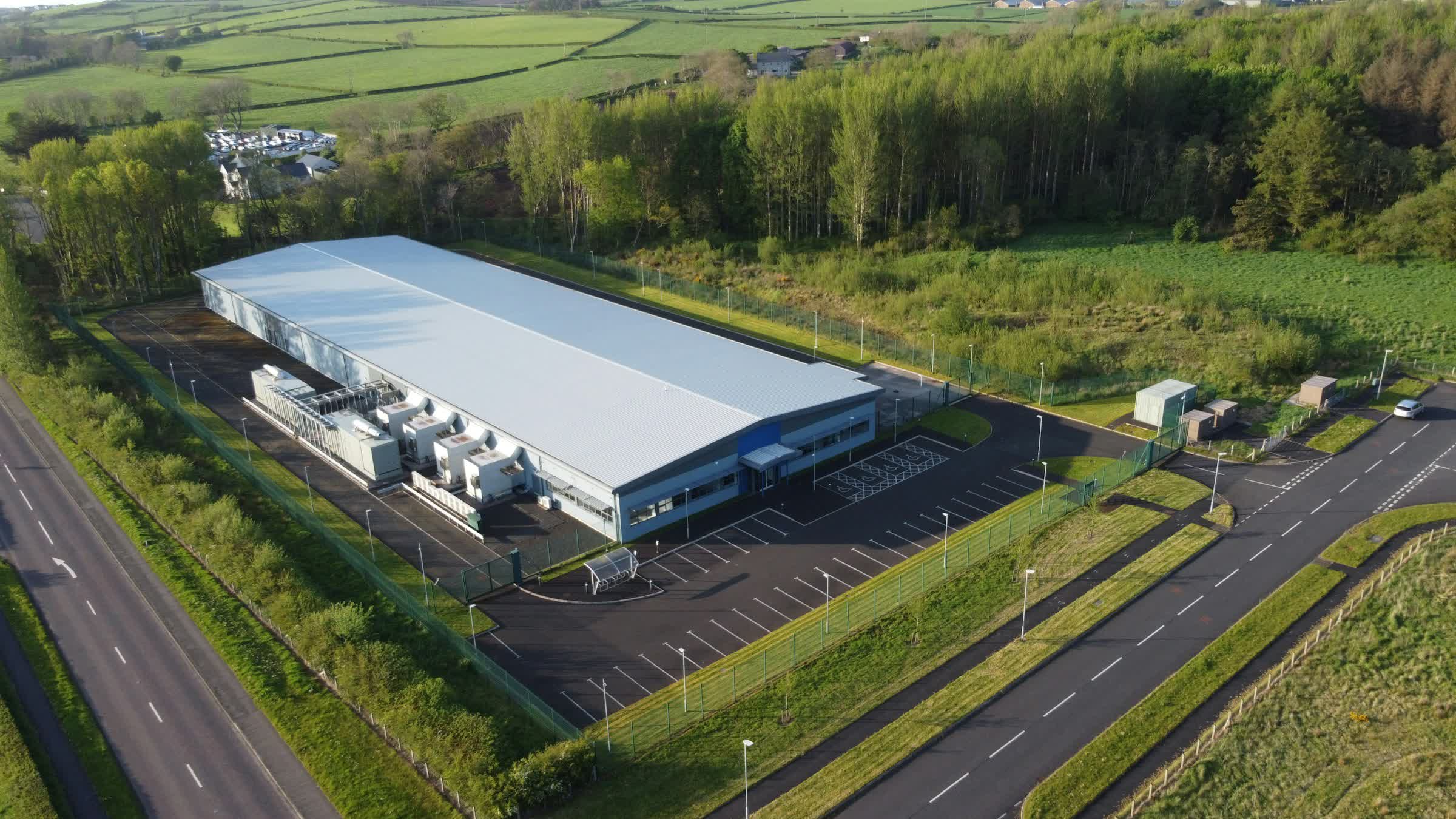
While 70% of Americans are now opposed to data centers being built near their homes, it's not just the enormous, pollution-and-noise-spewing buildings they're against. There's also the required new power infrastructure, such as transmission lines that often need to cross private property.
In these situations, power companies often try to purchase an easement from the owner, allowing the infrastructure to cross part of the property. One assumes that if the owner refuses, that would be the end of the matter, but The Conversation writes that utilities may be able to force the acquisition through eminent domain.
The article was written by Aaron Walayat, an assistant professor of law at the University of Dayton whose research includes eminent domain. He explains that although eminent domain is a government power, states can grant condemnation authority to regulated utilities carrying out projects deemed to serve the public.
The Fifth Amendment allows private property to be taken for public use as long as the owner receives just compensation. However, the exact rules, approval processes, and rights available to landowners vary between states.
This doesn't mean a power company can simply turn up and seize an entire farm because Amazon or Microsoft wants another data center. These disputes usually involve an easement covering only the portion of land required for transmission lines, substations, or other infrastructure.
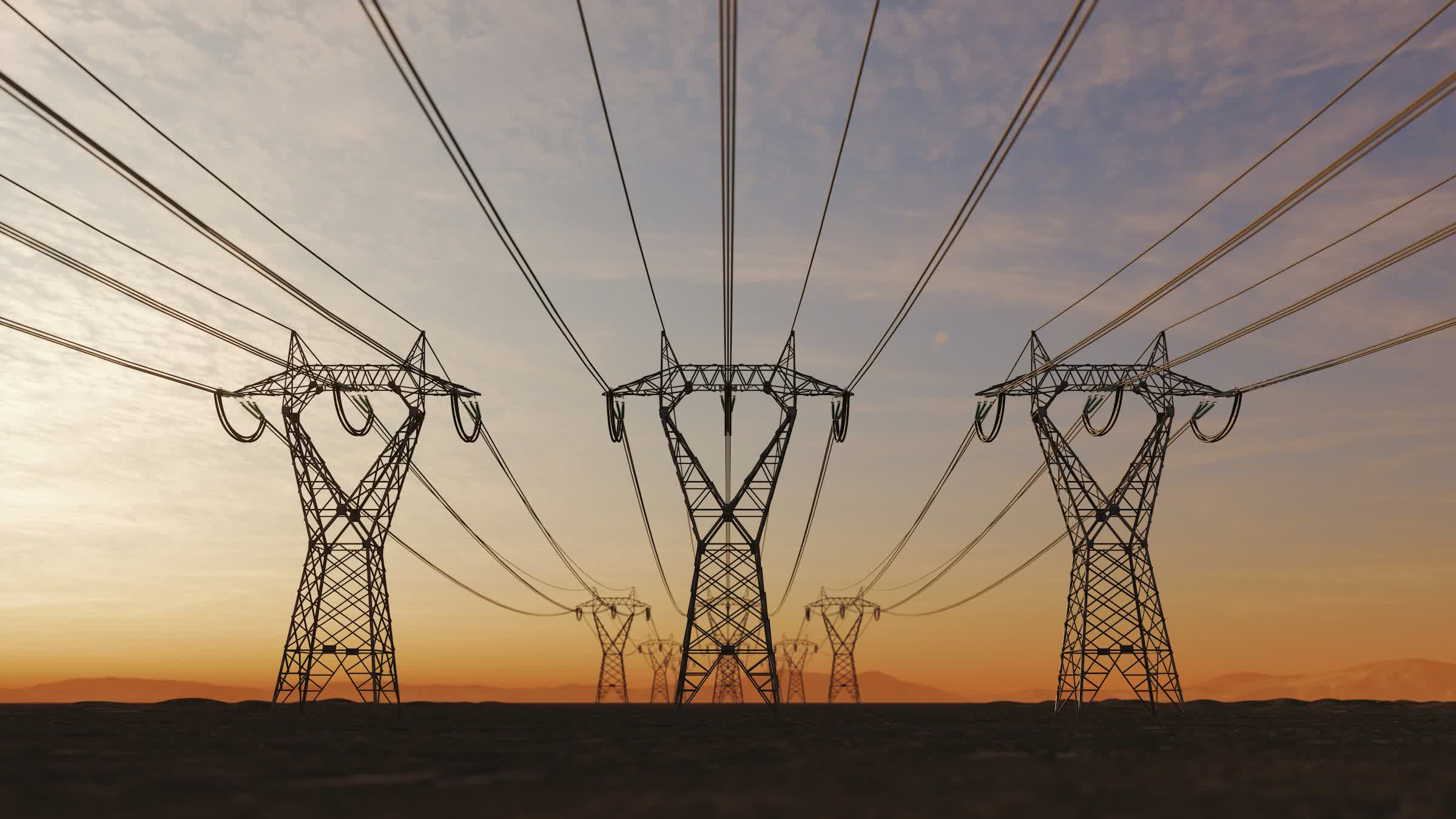
The utility must also follow state procedures and demonstrate that the project serves a legally recognized public use. Owners can challenge whether the taking is necessary, whether the proposed route is appropriate, and how much compensation they should receive.
The controversial part is determining whether infrastructure built largely to power a privately owned data center really qualifies as being for public use.
Courts have often sided with utilities when a transmission line also supplies electricity to local residents, adds capacity to the wider grid, or improves reliability. Walayat points to rulings in South Dakota and Vermont where courts allowed such takings because the projects provided broader public benefits.
The Mississippi Supreme Court reached a different conclusion in a case involving a transmission line that crossed the state without providing electricity to Mississippi customers.
The US Supreme Court has historically interpreted public use broadly. Its infamous 2005 ruling in Kelo v. City of New London allowed property to be taken for an economic development project involving private companies. The decision prompted dozens of states to strengthen their eminent-domain laws.
The issue is becoming increasingly relevant as AI companies search for huge amounts of land and electricity. It was recently reported that farmers have rejected offers reaching $15 million in Pennsylvania and $80 million in Wisconsin as data center developers hunt for suitable locations. Some landowners in Kentucky have also been warned that eminent domain could eventually be used if negotiations fail.
Public opposition is growing elsewhere. Residents have complained about rising electricity bills, water consumption, constant fan noise, pollution, and generous tax breaks for some of the world's richest companies. Missouri voters even removed several local officials following approval of a $6 billion data center project.
There have also been controversies surrounding xAI's gas turbines in Memphis, Amazon data centers blamed for health concerns in Oregon, and Meta wastewater linked to the discovery of a rare bacterium in Cheyenne.