Forward-looking: Beaming solar energy from space could address several drawbacks of today's ground-based solar technology. Organizations around the world are developing ways to deploy orbital solar farms in the coming decades – including a Virginia-based company that recently beamed energy to solar panels from an airplane.
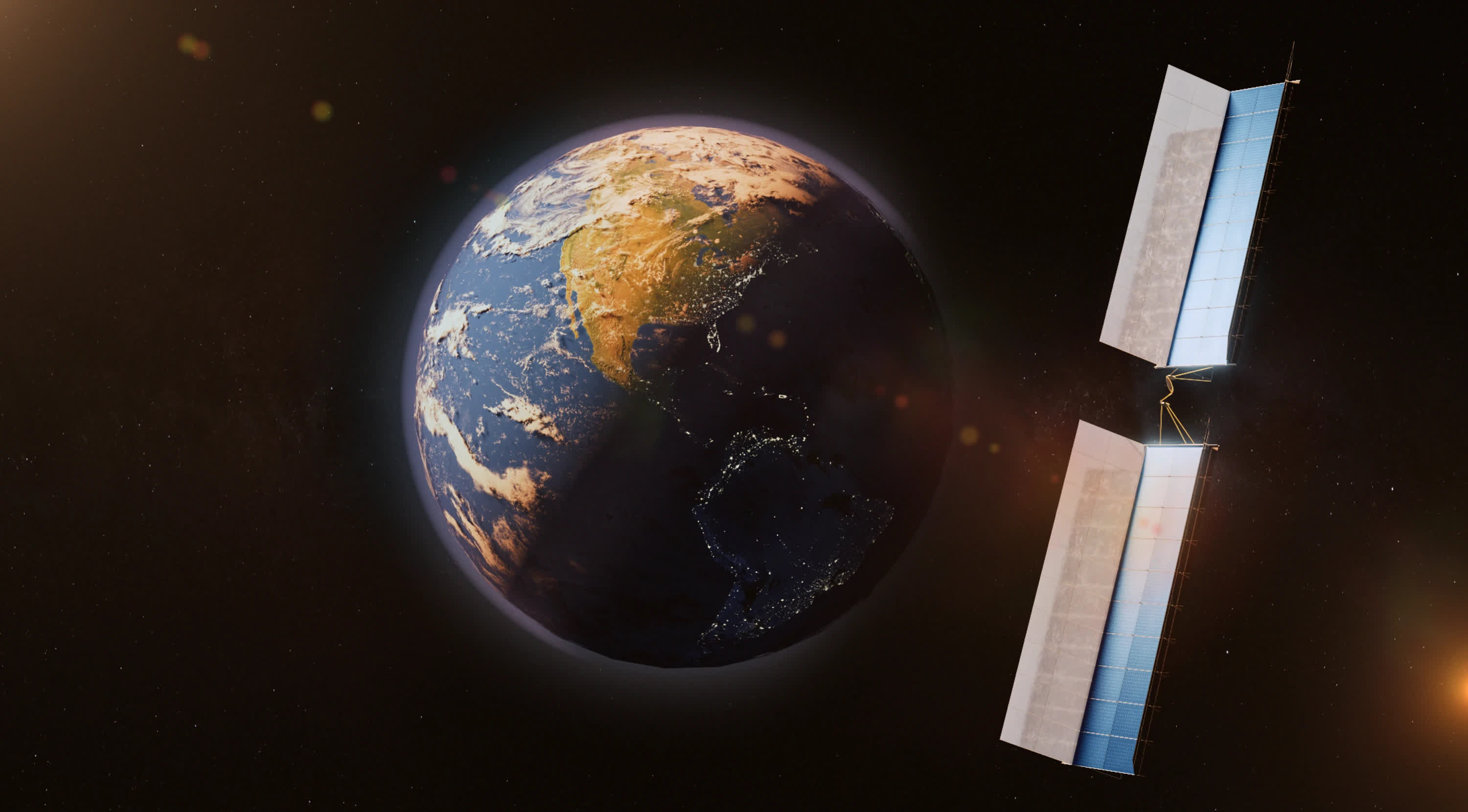
The successful test is a proof-of-concept for Overview Energy's plans to deliver solar energy to Earth from satellites. The Northern Virginia startup hopes to conduct orbital tests and begin commercial operations within the next few years.
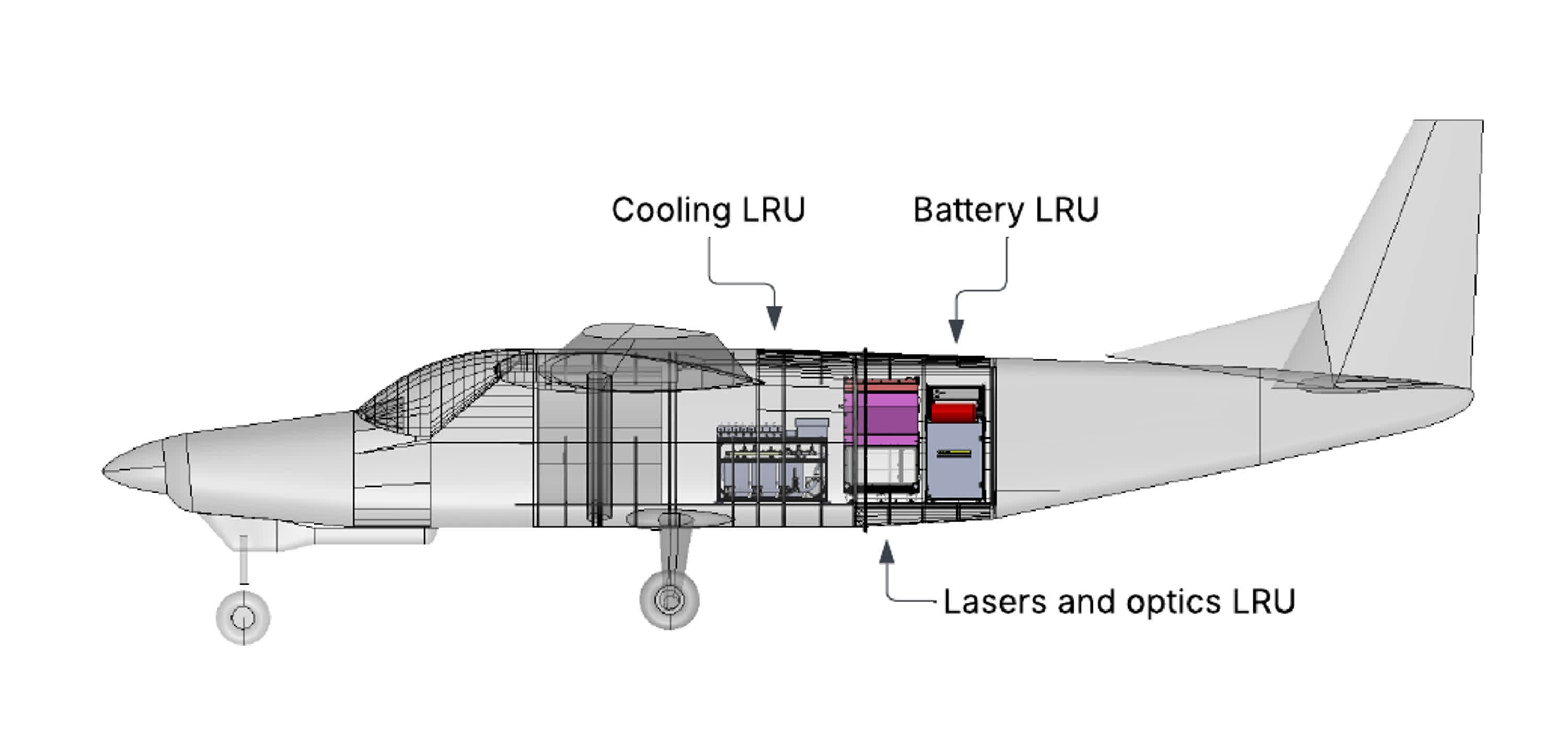
Using an array of lasers and cooling systems, researchers transmitted energy to ground-based solar panels from a Cessna Caravan flying 5 kilometers (3.1 miles) above the ground. A battery simulated the solar panels a satellite would use, while a laser shelf and modules converted energy into light. An optical assembly continuously tracked the ground arrays to maintain precise laser alignment from the moving aircraft.
Overview Energy plans to conduct a low Earth orbit test in 2028 and launch its first orbital solar farm to an altitude of 36,000 kilometers (22,000 miles) in 2029 or 2030. By the early 2030s, the company hopes to deliver more than a gigawatt of energy around the clock to locations anywhere on the planet.
The test closely mirrors an experiment conducted by Japan Space Systems in late 2024, in which a jet flying at roughly 700 kilometers per hour (over 400 mph) beamed energy to a ground-based antenna using beamformed microwaves.

Like Overview Energy, JSS ran its test at an altitude of 5 kilometers and plans to deploy satellites at 36,000 kilometers. However, the Virginia team used equipment largely identical to what it intends to launch into space, while JSS does not expect to deploy its final satellite systems until the 2040s.
Meanwhile, California startup Reflect Orbital is pursuing a different approach, developing a constellation of 57 satellites designed to concentrate and direct solar energy to Earth from just 600 kilometers above the surface. The company plans to launch its first satellite this spring.
Beaming solar energy from space offers two major advantages over conventional ground-based panels. First, relaying beams between satellites allows energy to reach receivers at night, enabling continuous, 24/7 power generation. Second, satellites can collect significantly more solar energy without interference from Earth's atmosphere.

Key challenges remain, including efficient energy conversion, satellite coordination, and preventing the buildup of space debris.
If these hurdles can be overcome, researchers in the UK estimate that orbital solar power could supply up to 80% of Europe's energy needs by 2050.
Researchers beam energy from a moving aircraft to test space solar power