TL;DR: For all the talk of self-driving cars erasing human labor, hundreds of Waymo vehicles across LA and San Francisco are proving the opposite. The company's robotaxis depend on people – some paid through a towing app called Honk, others working behind computer screens – to handle simple physical tasks that the machines can't manage on their own.
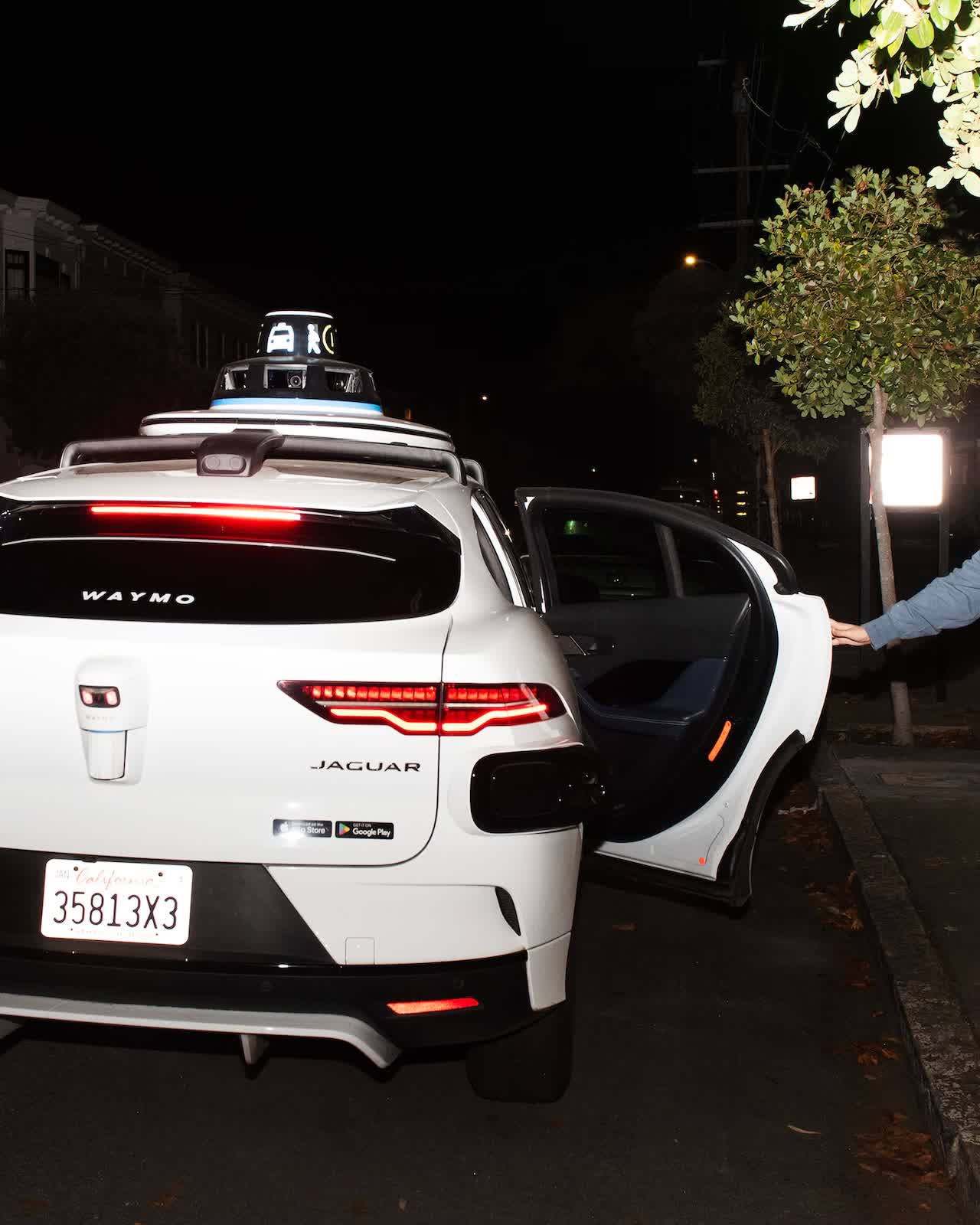
Waymo's vehicles can navigate complex city streets, use lidar, radar, and cameras to build a real-time 3D map of their surroundings, and communicate their locations to centralized servers. Yet the system halts when a door sensor registers even a partial latch. Because the cars are sealed off from manual control, the only fix comes from the outside. An unlatched door, a jammed seatbelt, or a drained battery pack can bring an entire autonomous fleet to a halt.
Those small breakdowns have created a niche market of "rescue work" for human drivers. Waymo pays local contractors $20 or more to fix stranded cars, and that on-call labor has become routine in the company's largest markets.
Tow-truck operator Cesar Marenco, who runs Milagro Towing in Inglewood, has built a steady side business from closing Waymo doors and towing its Jaguars back to base. "There's always going to be human errors when someone's riding in a vehicle and there's no one to tell them close the door, or put your seat belt right," he told The Washington Post.
Marenco said his team gets up to three calls per week through Honk – either to close a stubborn door or to tow an electric vehicle that powered down before reaching a charger. "Goodbye, Waymo," he said in a TikTok video filmed through his Meta smart glasses, which has drawn more than 400,000 views.
@milagrotowing This is why Wyamos get Stuck #California #waymo #roadsideassistance ♬ original sound - Cesar's Roadside Assistance
The company acknowledges these interventions. Waymo spokeswoman Katherine Barna said door issues are "not too common. She said the company is "continually looking at ways to improve pickups and departures," including rider education to prevent doors from being left ajar.
Those small problems scale up quickly when the urban grid falters. During a citywide power outage in San Francisco earlier this month, dozens of Waymo robotaxis came to a stop at intersections and refused to move. Multiple towing companies reported a surge of emergency requests from the company's fleet dispatchers, and social media videos showed autonomous Jaguars frozen in traffic lanes or being loaded onto flatbeds.
Waymo spokesman Ethan Teicher said that the vehicles treat dark (unpowered) signals as four-way stops, "but the sheer scale of the outage led to instances where vehicles remained stationary longer than usual to confirm the state of the affected intersections." The company later disclosed that its remote fleet-response agents received a concentrated spike of help requests, creating a backlog that left cars clogging city arteries.
Teicher said the company is "focused on rapidly integrating the lessons learned from this event," adding that it remains "committed to earning and maintaining the trust of the communities we serve every day." San Francisco Supervisor Bilal Mahmood described the incident as "dangerous and unacceptable" and called for a public hearing on Waymo's local operations.
Tow operators say handling the cars can be tricky. Evangelica Cuevas, who runs JJK Towing in Los Angeles, said some narrow streets prevent her from maneuvering a full-size rig near a stranded robotaxi. "We can spend anywhere from 10 minutes to an hour just looking for the vehicle," she said. Door-closing calls pay about $22 to $24, while towing can fetch $60 to $80, not always enough to cover fuel and labor, she added.
In San Francisco, Alpha Towing manager Jesus Ajuiñiga said he declined jobs during the outage because Waymo's offered rate fell below the $250 he typically charges to haul an all-wheel-drive car. "It's not fair," he said, adding that the vehicles are equipped with bulky sensors that increase the risk of damage and liability.
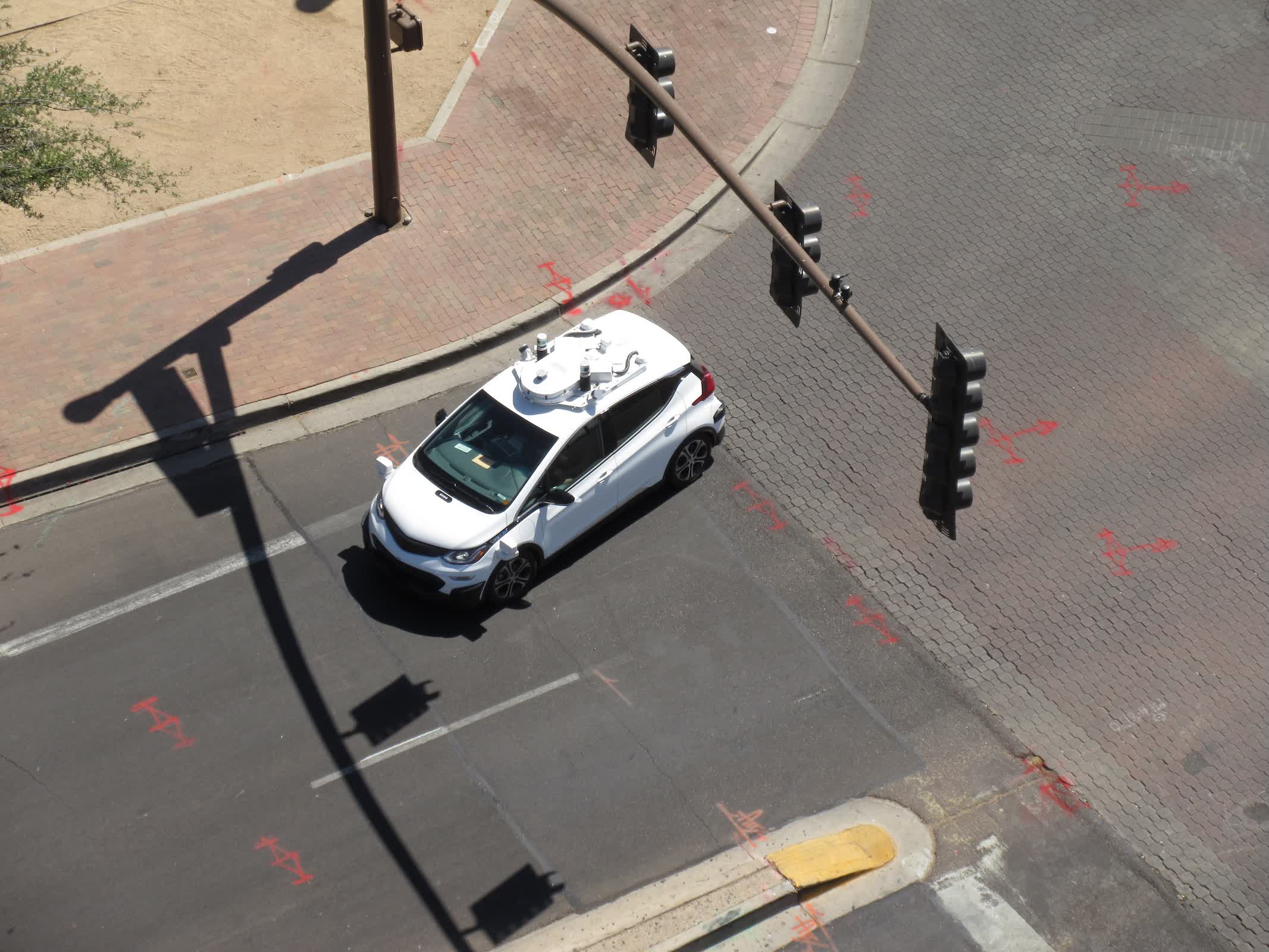
Keith Chen, a UCLA behavioral economist and former head of research at Uber, suggested that companies like Waymo could reduce expenses by collaborating with gig-economy drivers. He said Uber and Lyft drivers could be paid to close doors on nearby robotaxis or that Waymo might offer riders discounts for completing similar tasks.
Waymo already integrates with Uber's platform in some markets, allowing users to summon its robotaxis, hinting at what shared infrastructure could look like in a mixed human-robot network.
Meanwhile, in its next generation of vehicles, Waymo is testing models built by Zeekr in China that feature sliding doors that open and close automatically. The design may prevent future "door open" incidents altogether.
Image credit: The Washington Post
Robotaxis can drive themselves, but still pay humans $20 to close the door


