
Big quote: Is four years too long for a college degree? Sam Altman certainly thinks so. The OpenAI boss recently said that this length of time is more than what the world requires. He added that two years was "the exact right amount of time" for him, and the same may be true for others.
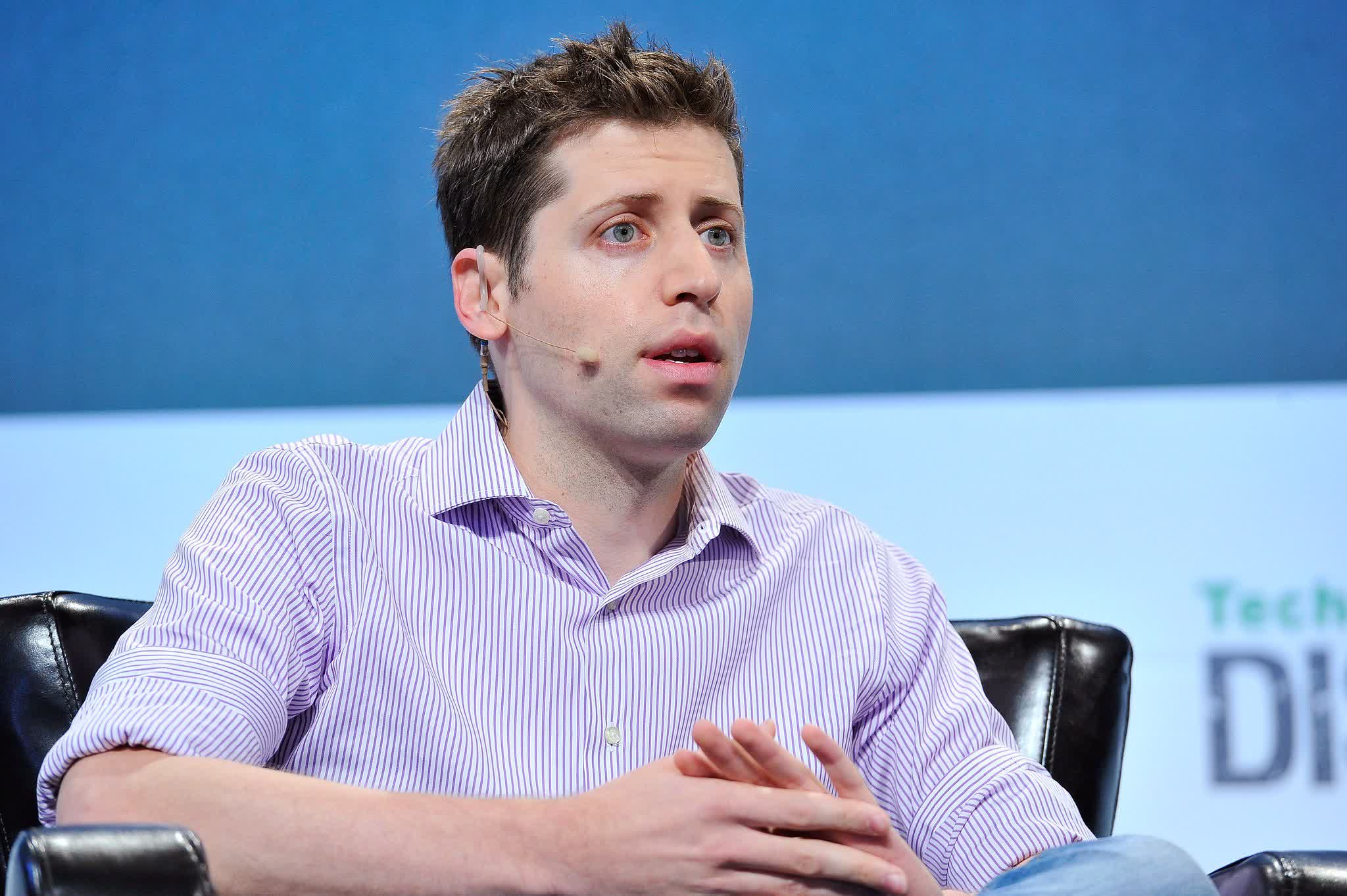
Speaking during a surprise appearance at Internapalooza, a networking event for technology interns hosted by investor Cory Levy, Altman talked about the two years he spent at Stanford and why he felt he didn't need to complete the standard four years. "I think I learned a lot, and it would have been like vastly diminishing returns," he explained.
Altman added that "I've sort of thought that maybe the way the world has evolved, college just shouldn't be as long as it is." But he admitted that it was still "great to meet people and kind of like live on your own and get to work on projects."
Altman dropped out of Stanford after two years in 2005, leaving to co-found Loopt, the location-based social networking mobile app, which was one of the first participants in Y Combinator.
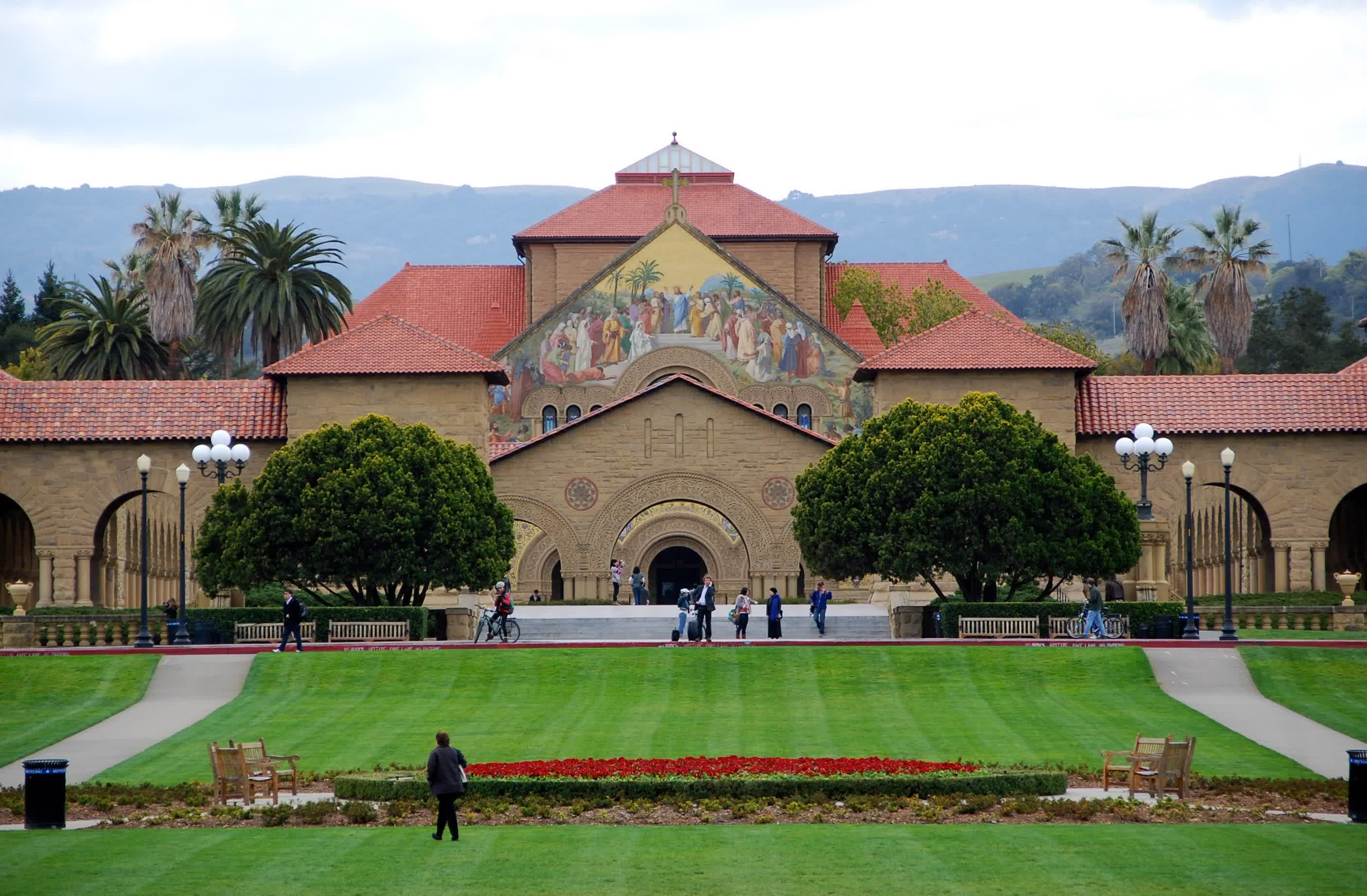
Stanford University, Stanford, CA
Altman said that completing two more years of college "would have not been that great."
"So, I was very happy with how it went, but you don't get to run the experiment twice," he said, adding that he knew a lot of people who never went to college but have still "done great."
Also read: Sam Altman says AI won't shorten the workweek because humans secretly enjoy being busy
It feels a bit ironic to hear the person who played one of the biggest parts in kickstarting the AI revolution telling a room full of interns that they don't really need four years at college. Summer internships are one of the many areas being killed off by AI as automation handles the tasks interns were traditionally given. Tech internships have dropped 30% since 2023, while the percentage of recent graduates being hired at major tech firms has also fallen to 7%.
Then there are the tens of thousands of jobs that have been lost due to AI, either directly through jobs being automated or companies cutting payrolls as they invest billions into AI infrastructure. Maybe Altman has a point that people don't need four years in college these days – going in the first place might soon be pointless.
Altman also advised any budding entrepreneurs not to spend too much time and effort on trying to be taken seriously. "You can sort of get a long way in life and career just by doing stuff," he said. "And I think this is much more true now than ever before. You can make a whole startup kind of by yourself in a room with a lot of AI tokens, but not much else."
He also said that there are instances where hiring others makes sense. "If you were trying to do enterprise sales to a big, stodgy, old company, then it kind of does," he said. "And after trying and failing to get taken seriously in that specific way for a while, I was like, 'I'm just going to hire a 50-year-old.'"
Other big tech industry names share Altman's view of college being less important today. Google co-founder Sergey Brin said in January that the tech giant had hired many people without bachelor's degrees, illustrating a broader point on how the college diploma is losing its hold on Silicon Valley.
There was also Nvidia boss Jensen Huang's claim in 2024 that generative AI meant young people didn't need to learn coding. But the most famous example is Peter Thiel, who founded the Thiel Fellowship, a two-year program that awards $250,000 to people aged 22 or younger who agree to skip or leave college while working full-time on a project.
Image credit: TechCrunch
Sam Altman says four years is too long for college as AI tears up the traditional career path


