
A hot potato: AI cameras are turning America's school buses into mobile traffic enforcement systems, and there's plenty of money to be made in this business. Manufacturers say the technology protects children without costing taxpayers, but an investigation questions whether the flood of tickets is delivering the promised safety benefits.
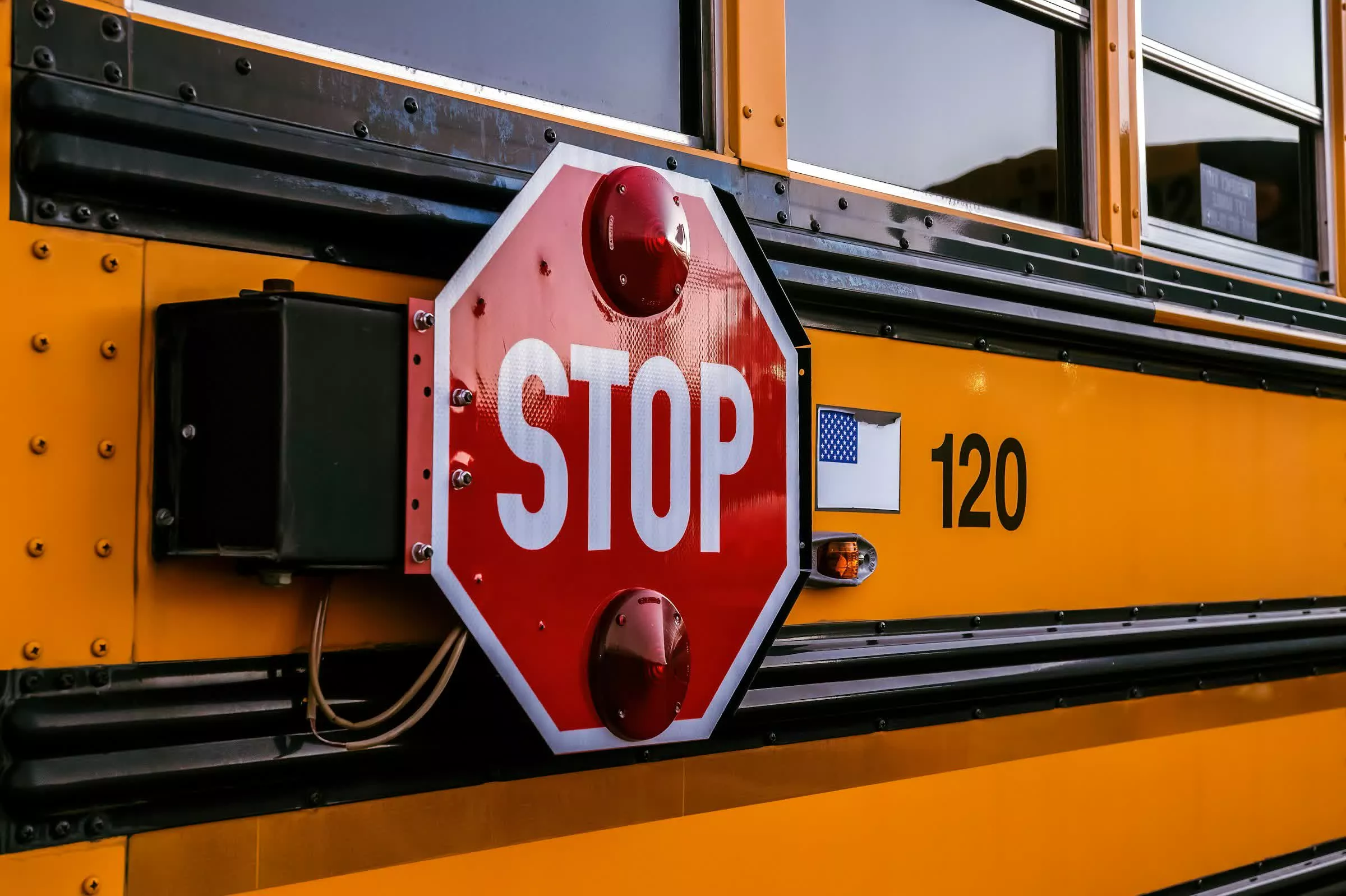
An investigation by Bloomberg and Type Investigations earlier this year reported that BusPatrol equipped around 35,000 buses across 24 states. Its cameras flag suspected illegal passing, with police reviewing evidence before tickets are issued.
In Montgomery County, Maryland, the investigation tallied more than 375,000 tickets and $92 million in issued fines. Those are some stunning figures, but the research found little reduction in violations and no evidence of fewer collisions near stopped buses.
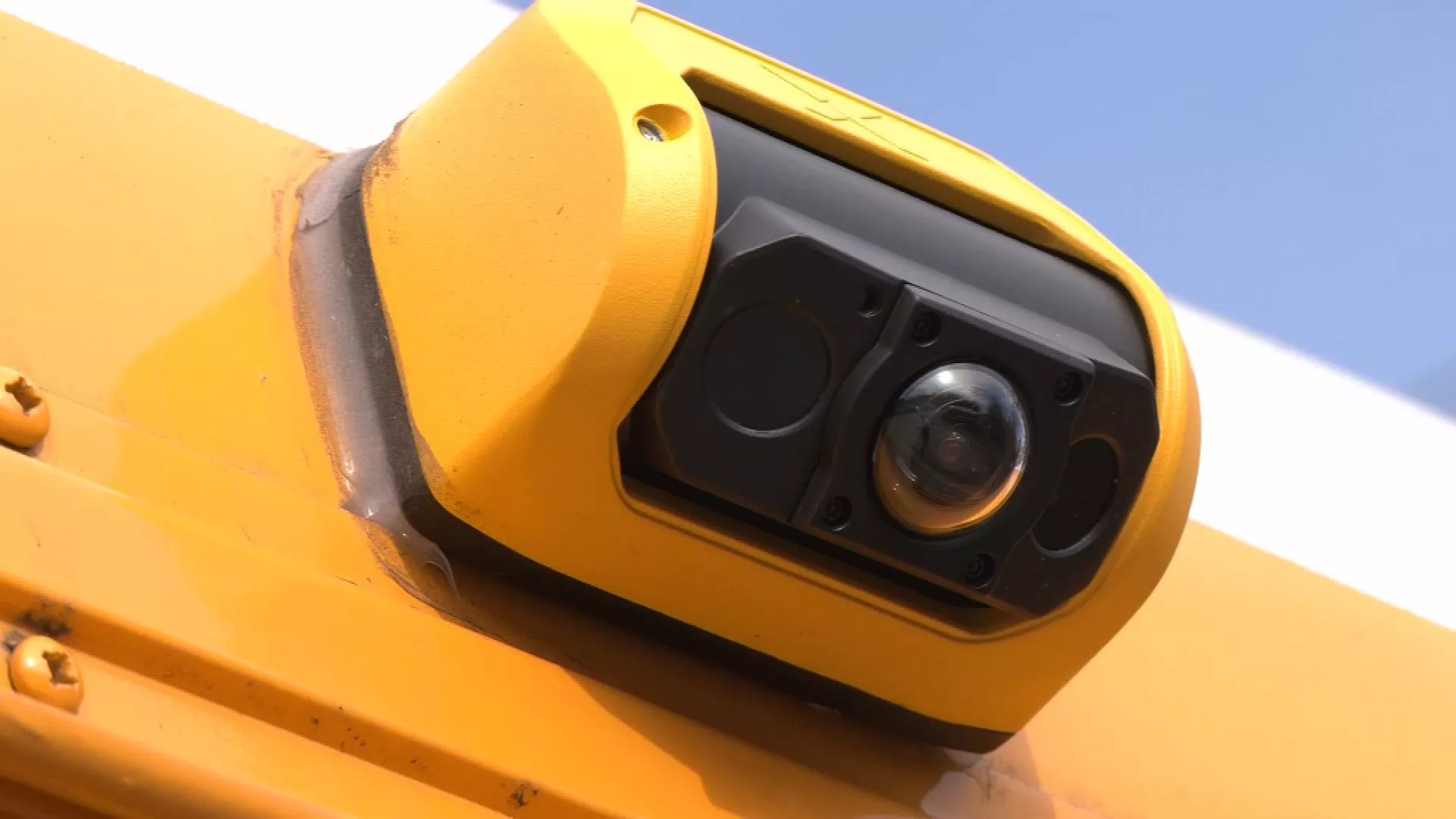
Between fiscal years 2019 and 2024, the county retained around $18.5 million from collected fines while setting aside roughly $40 million for manufacturer BusPatrol. The company says its financial arrangements cover installation and operating costs, and that it absorbs shortfalls when camera expenses exceed violation revenue.
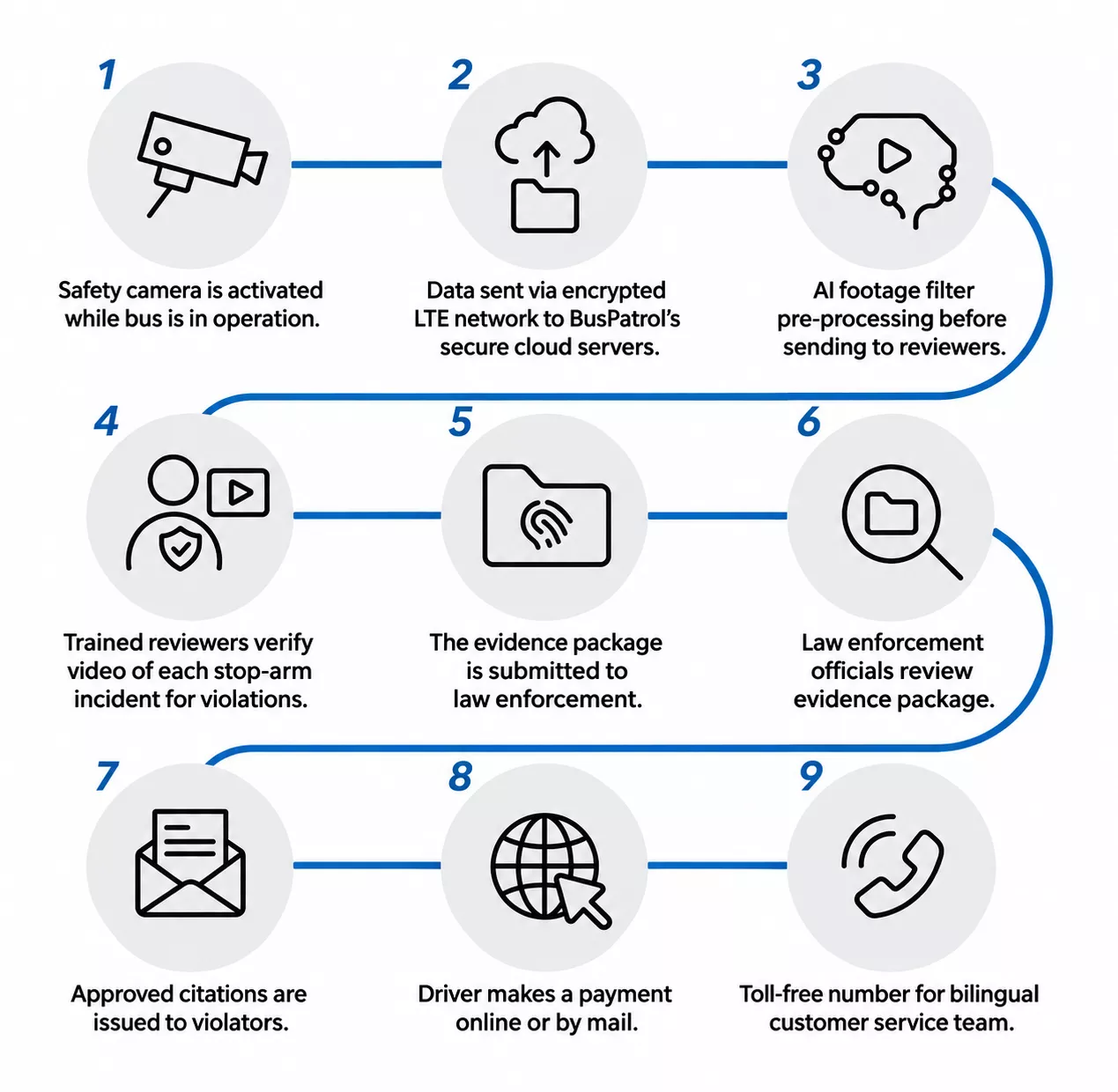
The technology itself does more than photograph license plates. Allentown School District describes a process combining footage, GPS coordinates, and timestamps. AI filters incidents before a trained specialist builds an evidence package for police. All parties involved insist that human review remains part of the process, rather than software simply mailing out fines.
Other suppliers are expanding, too. FOX 35 reported in August that Florida's Osceola County school board approved a Verra Mobility contract with no upfront district cost. The company and district will split program revenue equally, with law enforcement confirming suspected violations.
Verra says 98% of cited drivers don't reoffend and citations fall by around 70% over a school year. It's worth remembering that those are the company's claims, and a low repeat-offender rate alone doesn't establish how much safer a bus stop becomes.
The latest example of the technology's use comes from southeast Idaho. Local News 8 reported that Teton Stage Lines is working with AngelTrax on AI detection of drivers passing stopped school buses. The organizations are working with lawmakers to allow the technology statewide.
This is another example of AI cameras being used for more than reading license plates, though other cases can be just as controversial. It was reported in September that Dallas has mounted AI cameras on garbage trucks to flag property violations and assign homes a "blight score," prompting concerns about privacy and unfair fines.
As for Flock and its AI cameras, the list of grievances against the firm is a long one. The most recent example was the company replacing its cameras in a city that rejected them, and it's not the first time this has happened.


