
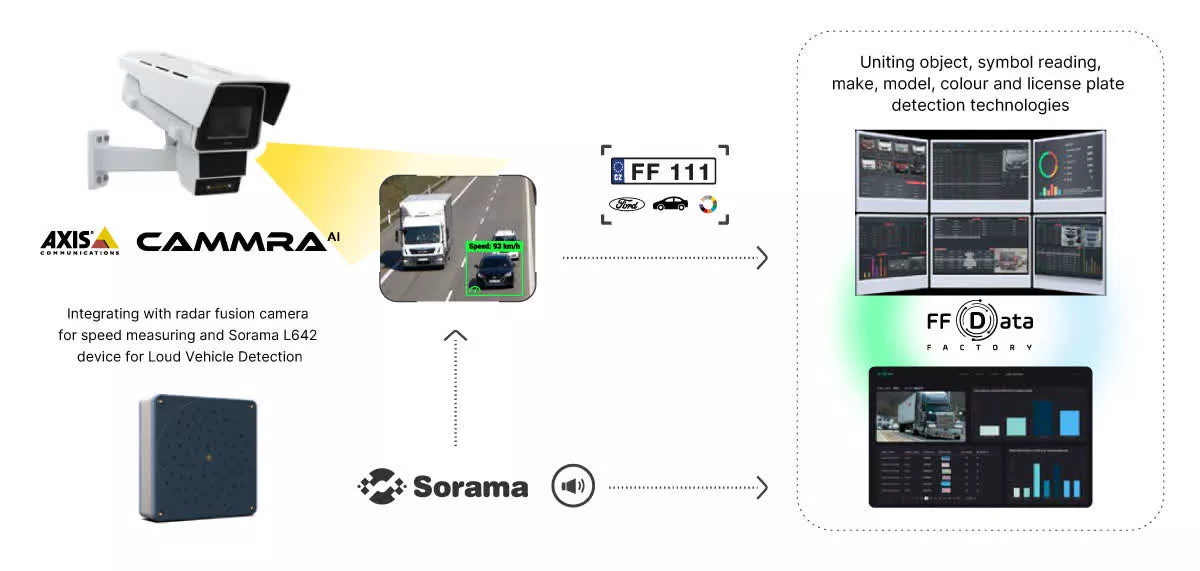
A hot potato: License plate readers usually flag vehicles that have been stolen or are linked to crimes, but several cities are pairing the devices with noise detectors. This combination could capture details of cars with excessively loud modified mufflers or blasting stereos. One city in Connecticut is preparing to deploy the systems and issue fines of up to $100 for first offenses.
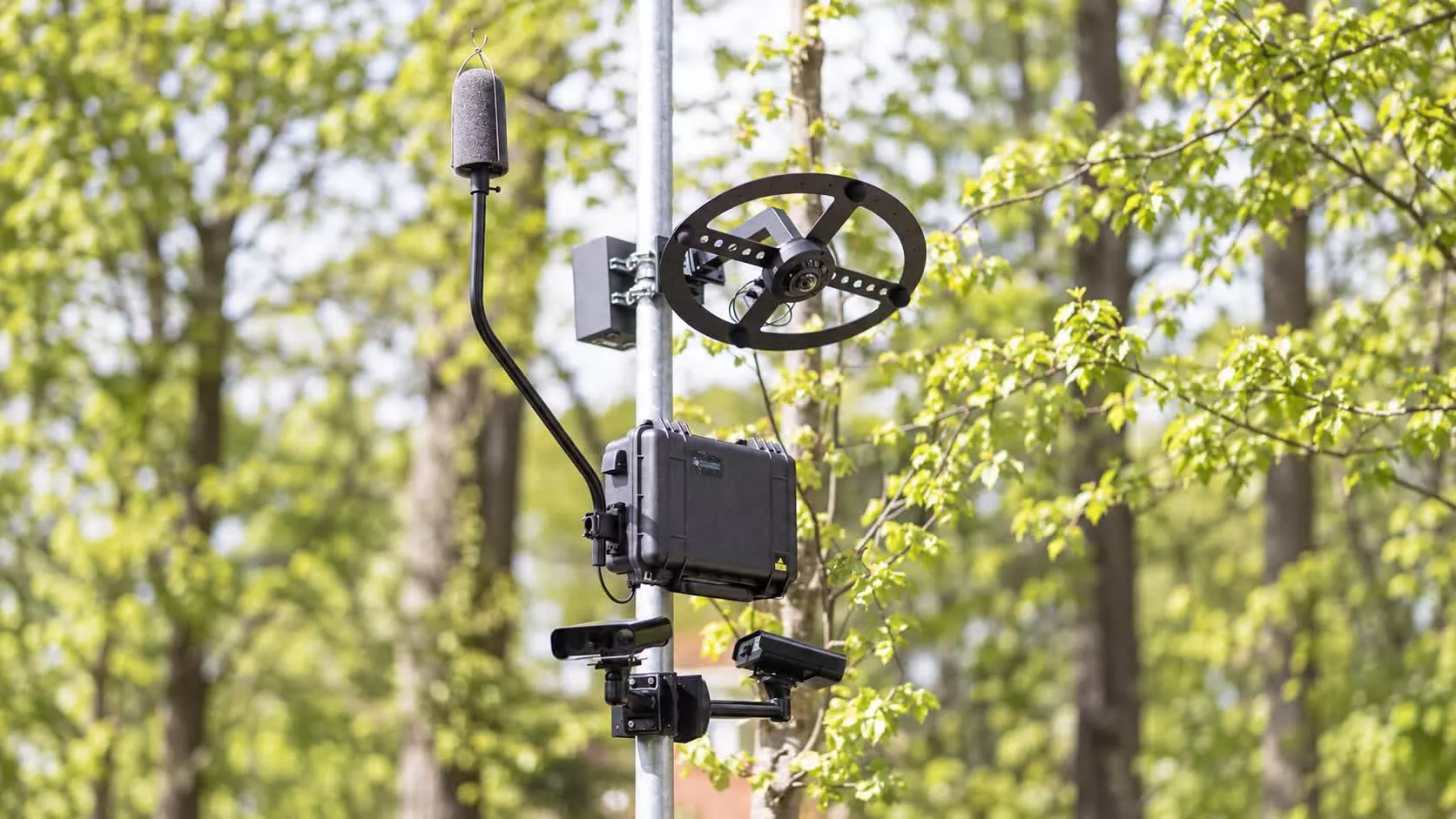
New York, Knoxville, Miami Beach, and Santa Fe are just some of the areas that have piloted or deployed noise cameras in recent years. New York City is one of the most prominent, having begun piloting the devices in 2021 and launched the program in 2022.
NYC's 12 cameras, which can target excessive engine or muffler noise, recorded 15,994 noise events and generated 1,691 summonses in 2025. A muffler violation carries a minimum penalty of $800, while the maximum can reach $2,625, reports Fox News.
In Connecticut, West Haven plans to connect four AXIS audio detection devices to its existing Rekor license plate readers along the shoreline, where residents have complained about noisy vehicles. One device was installed but inactive when local officials spoke to Hearst Connecticut.
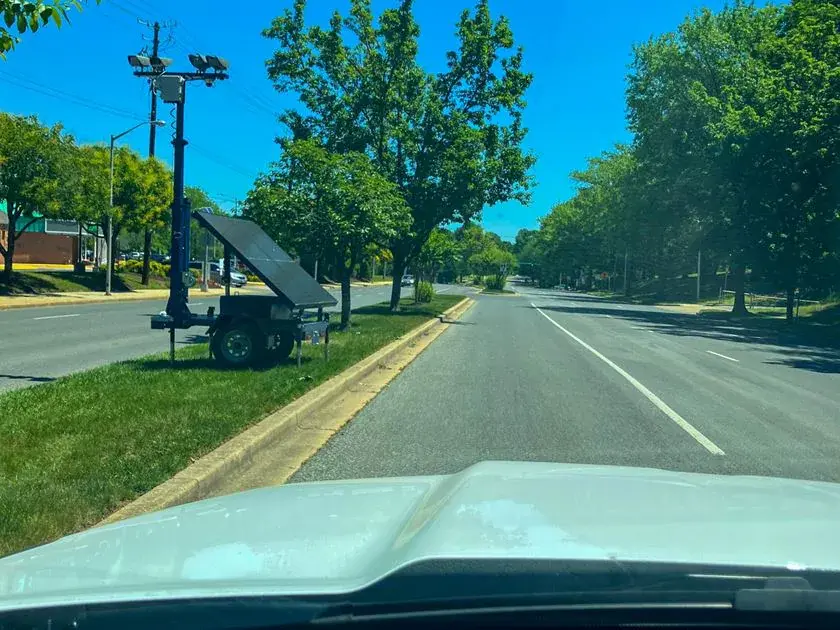
Mayor Dorinda Borer said the city was still deciding how loud a vehicle must be to trigger the system. It's not entirely automated, as detected violations would be emailed to police for review and enforcement. Borer also said West Haven owns the equipment, controls its data, and does not share it with third parties – areas that have helped make Flock so controversial.
West Haven could become Connecticut's first municipality to activate noise cameras. Wethersfield and East Hartford approved ordinances earlier, but neither had activated a system, according to the September 25 report.
The expansion comes as license plate surveillance faces increased anger and pushback from the public. People's confidence wasn't helped by reports that officers had entered nonsense into Flock's mandatory search-justification field, raising even more questions about oversight of these systems. Flock also reinstalled cameras in Grass Valley, California, after the city canceled its contract and removed them. The company blamed its maintenance system for treating the disconnected devices as faulty.
It isn't just passing cars coming under the watchful eye of surveillance cameras. Dallas has been using AI cameras mounted on garbage trucks to photograph properties and flag possible code violations, from overgrown weeds to structural issues. The system assigns homes a blight rating, prompting complaints about privacy and potentially unfair fines.


