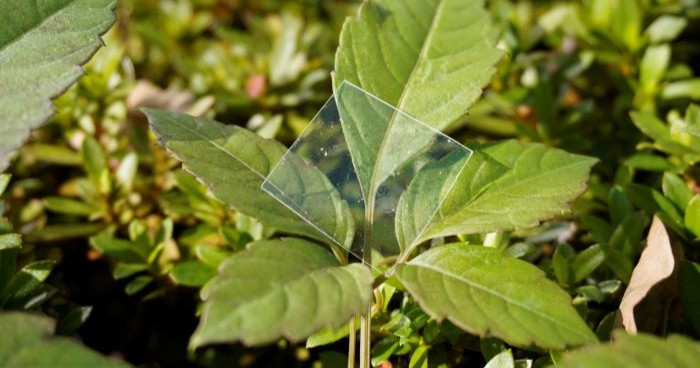
Scientists develop plastic that dissolves in seawater within hours

Alfonso Maruccia

Posts: 2,511   +934
Staff
Forward-looking: Plastic materials have become a cornerstone of modern life, but their widespread use has created a growing environmental challenge. Scientists worldwide are racing to develop sustainable solutions to plastic pollution, and a research team in Japan may have made a significant breakthrough toward that goal.
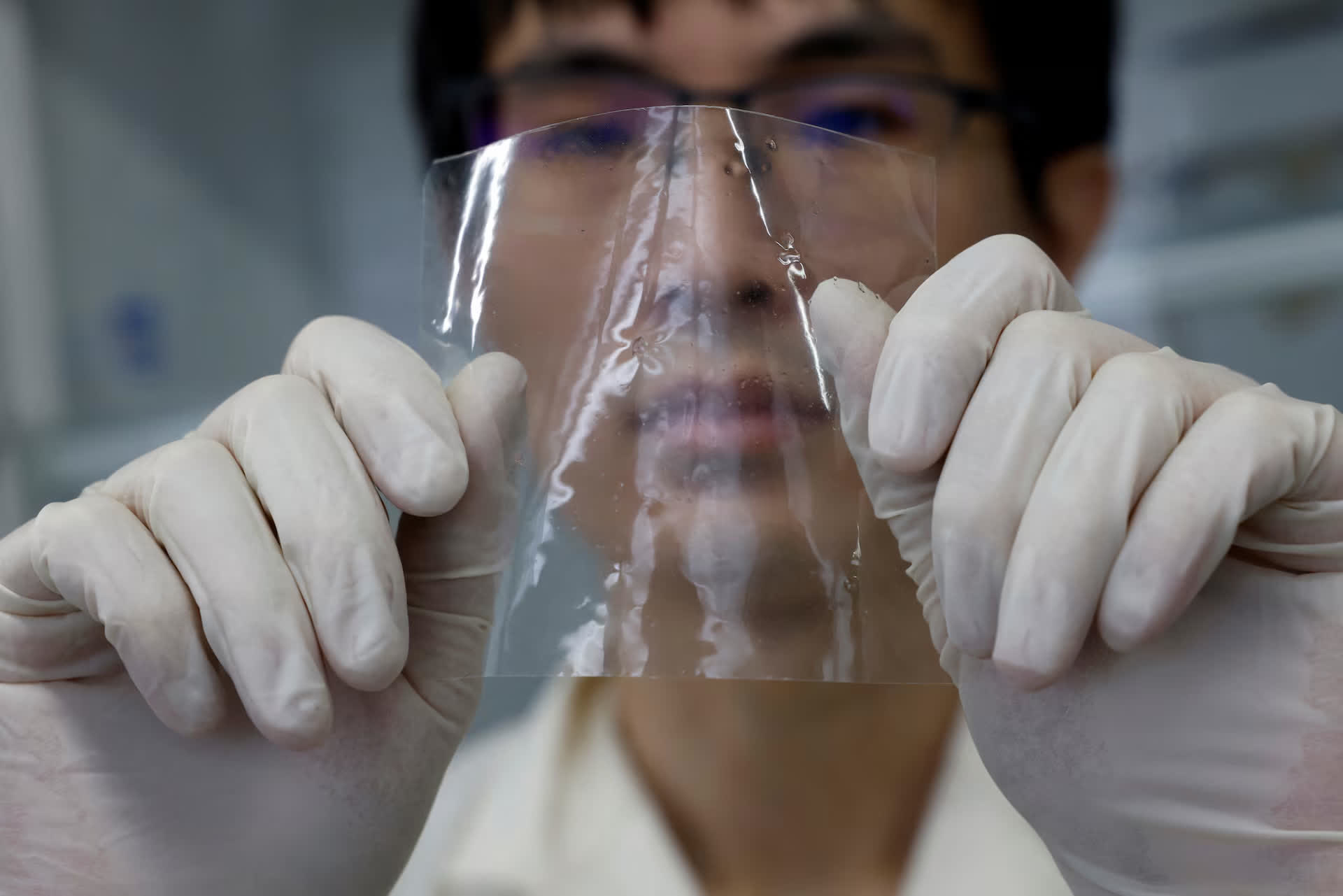
A team of Japanese researchers has developed a plastic material that disappears in seawater within hours, leaving no harmful residues. Designed to be more environmentally friendly than traditional biodegradable plastics, it breaks down without leaving microplastic particles to pollute the world's oceans.

Scientists from the RIKEN Center for Emergent Matter Science and the University of Tokyo developed the new plastic material. It matches the strength of traditional petroleum-based plastics but breaks down into its original components when exposed to salt. Naturally occurring bacteria then process these components, leaving no microplastic or nanoplastic contamination behind.
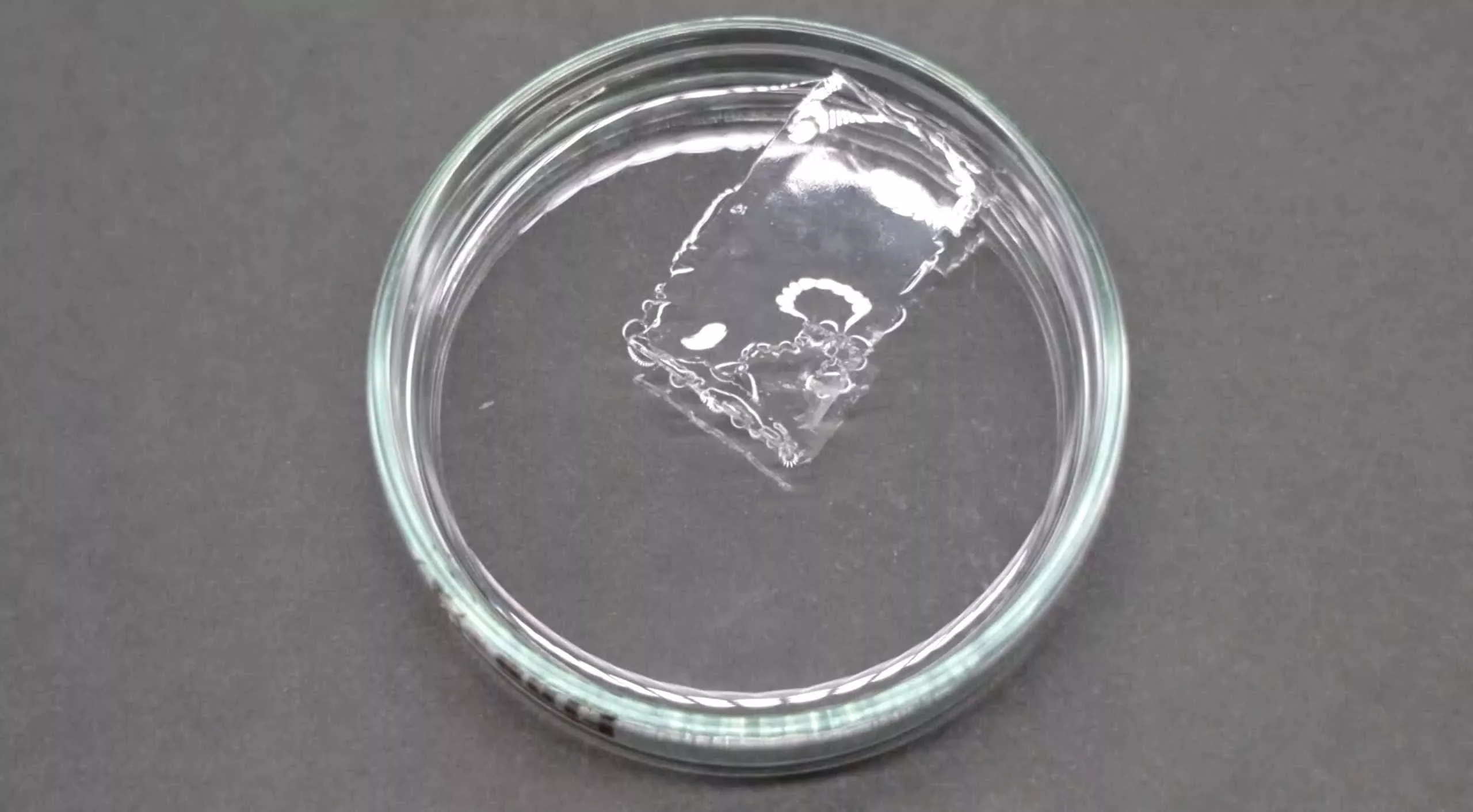
The researchers demonstrated their invention in a Tokyo-area lab, showing how a piece of transparent plastic disappeared in salty water after about an hour. Since salt is also found in soil, two inches of this material should fully break down after 200 hours underground.

Reuters notes that the material is non-toxic to humans, fire-resistant, and does not release carbon dioxide. When coated, it functions like any regular plastic product. The team is now focused on developing an optimal coating method, indicating the material is not yet ready for commercialization.

Project leader Takuzo Aida stated that several major industry players, including packaging companies, have expressed strong interest in the team's research. He also expressed his hope for a world free of harmful polluting materials.
"Children cannot choose the planet they will live on," Aida said. "It is our duty as scientists to ensure that we leave them with best possible environment."

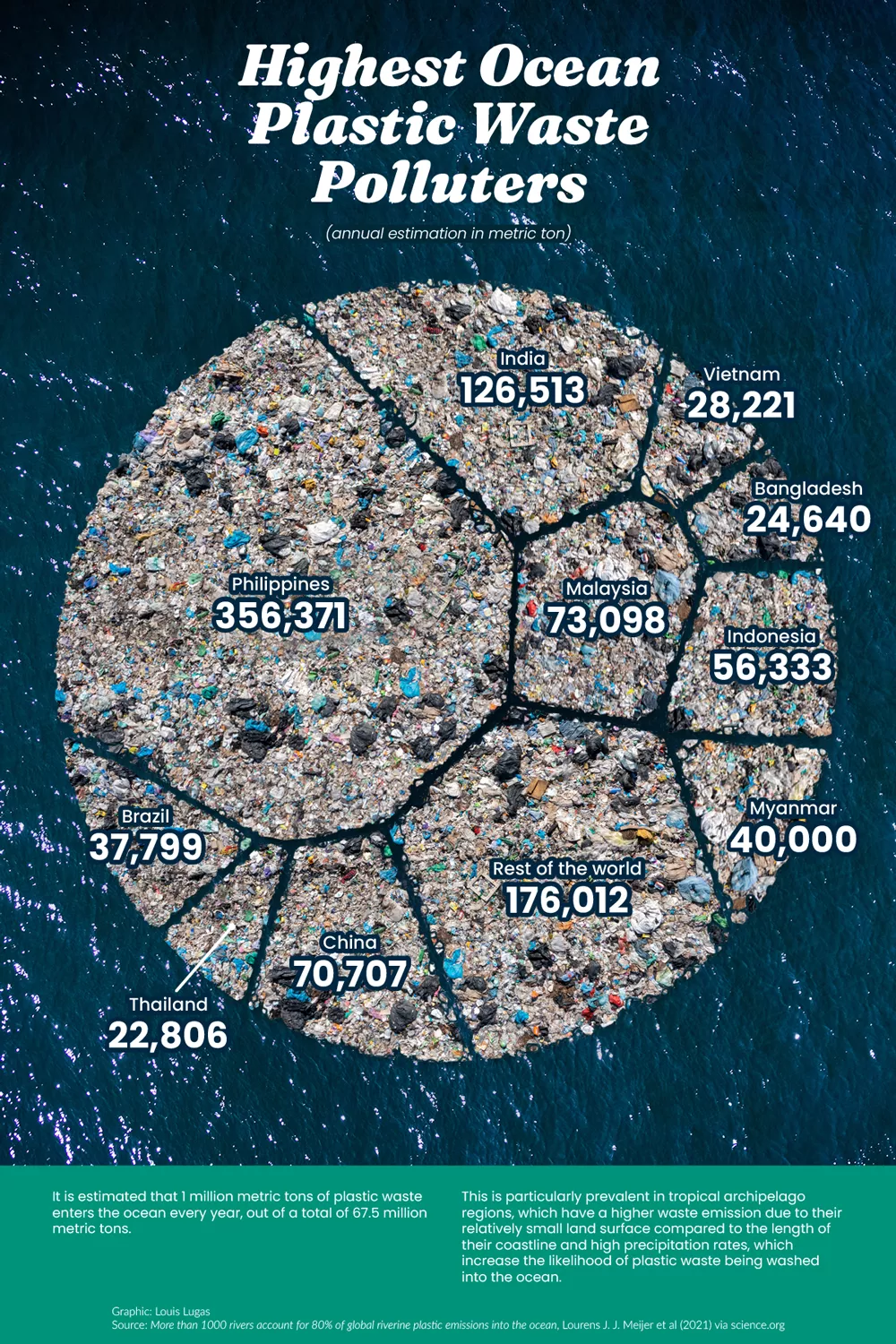
Plastic waste is a major contributor to the growing environmental problems facing our planet. The United Nations Environment Programme predicts plastic pollution will triple within the next 15 years, adding 23 to 37 million metric tons of waste to the oceans annually.

Many supposedly biodegradable plastics have also contributed to the problem, as they don't fully break down and leave behind harmful microplastics. Studies have found microplastic and nanoplastic fragments in the brain and other human organs.

Permalink to story:

 
Dissolving doesn't mean it's good. What is it made of?
They said it wasn’t toxic - but if it’s plastic, it’s still petroleum based…

Thing is, salt is all over the place - and I wouldn’t want my plastic device to dissolve just cause it gets salty… and if they coat it to protect against that, won’t that defeat the whole biodegradable thing in the first place?
 
Dissolving doesn't mean it's good. What is it made of?
This is precisely the case. Just because we don’t see it does not mean it does not pose a risk to us. If anything melted plastic just goes into drinking water that you cannot easily filter out.
 
Dissolving doesn't mean it's good. What is it made of?
The new plastics were made by combining two ionic monomers that form cross-linked salt bridges, which provide strength and flexibility. In the initial tests, one of the monomers was a common food additive called sodium hexametaphosphate and the other was any of several guanidinium ion-based monomers. Both monomers can be metabolized by bacteria, ensuring biodegradability once the plastic is dissolved into its components.
 
Cue the usual hatred of science. No wonder America is so fcuked up.
There is a lack of information on what the constituent materials are. That's important. If it's safe to drink, nice. If not, it may just be a different long term problem, if it becomes widely used.
 
Love that the team thought about soil breakdown too. If it works in marine and terrestrial environments, this could help reduce waste in everything from agriculture to takeout containers.
 
Love that the team thought about soil breakdown too. If it works in marine and terrestrial environments, this could help reduce waste in everything from agriculture to takeout containers.
Well, maybe not takeout containers. The salt in foods would start to breakdown the container and you might end up eating at least a little plastic residue.
 
One minor problem... Salt exists in almost every friggin form of liquid or solid on the planet ..and if not directly....indirectly, you spill something with salt then what? it fkin dissolves?

Points for trying...but I don't see practical real-world applications for this.
 
Dissolving doesn't mean it's good. What is it made of?
my first thought as well. Does not sound like it will solve the issue of microplastic in the oceans and the wildlife. It is just that we wont see a France-sized floating plastic island in the distant future but the problem persists.
 
my first thought as well. Does not sound like it will solve the issue of microplastic in the oceans and the wildlife. It is just that we wont see a France-sized floating plastic island in the distant future but the problem persists.
According to the article, "It matches the strength of traditional petroleum-based plastics but breaks down into its original components when exposed to salt. Naturally occurring bacteria then process these components, leaving no microplastic or nanoplastic contamination behind."
 
One minor problem... Salt exists in almost every friggin form of liquid or solid on the planet ..and if not directly....indirectly, you spill something with salt then what? it fkin dissolves?

Points for trying...but I don't see practical real-world applications for this.
yea, I was thinking about this too. It might depend on the concentration of salt.
 
They said it wasn’t toxic - but if it’s plastic, it’s still petroleum based…

Untrue. Many plastics are made from petroleum, but many are made from non-petroleum materials. As well, and as the article points out, the plastic is digested by microbes/bacteria into a harmless waste. This is not a new development, it's been known for a long time that microbes/bacteria will digest and eliminate oil spills.
 
They want to sell it. Of course it's non-toxic

They're university researchers, not company engineers. It's experimental, and not available on any market, so they aren't trying to sell it. Biodegradability of some petroleum-based products is a long known phenomenon. The claims are referenced to Reuters, which is an independent news organization.

I'm the first to embrace cynicism, but if you read the article carefully, it should allay the paranoia.
 
There is a lack of information on what the constituent materials are. That's important. If it's safe to drink, nice. If not, it may just be a different long term problem, if it becomes widely used.

"Reuters notes that the material is non-toxic to humans, fire-resistant, and does not release carbon dioxide."

So it's safe to 'drink', though it's not likely that it would find its way into our freshwater supply. As to whether it's non-toxic to creatures other than humans isn't stated, so it could possibly become a different long-term problem. However, it's still in experimental stages, so it's premature to come to any conclusions. It may never leave the laboratory.
 
"Reuters notes that the material is non-toxic to humans, fire-resistant, and does not release carbon dioxide."

So it's safe to 'drink', though it's not likely that it would find its way into our freshwater supply. As to whether it's non-toxic to creatures other than humans isn't stated, so it could possibly become a different long-term problem. However, it's still in experimental stages, so it's premature to come to any conclusions. It may never leave the laboratory.
PTFE was announced as non-toxic decades ago. The report had a statement, not verifiable data. Reuters didn't ask enough questions.
 
Untrue. Many plastics are made from petroleum, but many are made from non-petroleum materials. As well, and as the article points out, the plastic is digested by microbes/bacteria into a harmless waste. This is not a new development, it's been known for a long time that microbes/bacteria will digest and eliminate oil spills.
Bio-plastics are not actually plastic. “Real” plastic is made from petroleum-based products.
While this might be a bio-plastic, that wasn’t mentioned anywhere in the article so I’m assuming petroleum until proven otherwise.
 
PTFE was announced as non-toxic decades ago. The report had a statement, not verifiable data. Reuters didn't ask enough questions.


There you go.

PTFE itself is nontoxic. Burning it produces toxic fumes; so does burning wood. Microplastics are clearly problematic both for the environment and in terms of effects on living organisms, but that doesn't rise to inherent toxicity of the substance. e.g., swallow a smal bit of PTFE, you won't experience any symptoms of harm.

Either way, this is an experimental substance, and the research is ongoing.
 
Bio-plastics are not actually plastic. “Real” plastic is made from petroleum-based products.
While this might be a bio-plastic, that wasn’t mentioned anywhere in the article so I’m assuming petroleum until proven otherwise.

Again, wrong. Plastic has a definition.

Here's a link to the originating article from RIKEN:


It's not petroleum-based. It is plastic.
 
The University system is NOT what you think it is.

You're a mind-reader? 😄

Like many university research organizations, RIKEN has government and industries ties. That doesn't make them greedy capitalist pigs, only looking for profit.

Dismissing research that may have significant positive benefit because of who/what/where it's being developed is illogical.
 
You're a mind-reader? 😄
That's funny. On an early "Father Knows Best" episode Bud decides he is going to be a mind reader after meeting one at a carnival. So I told my grandson that when asked what he wants to be when he grows up tell them a mind reader. I gave him another option also - a pickpocket.

No I am not a mind reader but I am versed enough to know my comment is precise and accurate in your case.
 
Back