Editor's take: Technology companies with actual chipmaking capabilities are ramping up investments in new manufacturing plants. SK Hynix, one of the world's largest semiconductor vendors, is planning to build a new facility focused on producing high-bandwidth memory. The move reflects the growing demand for memory chips to support AI development and other high-performance computing applications.
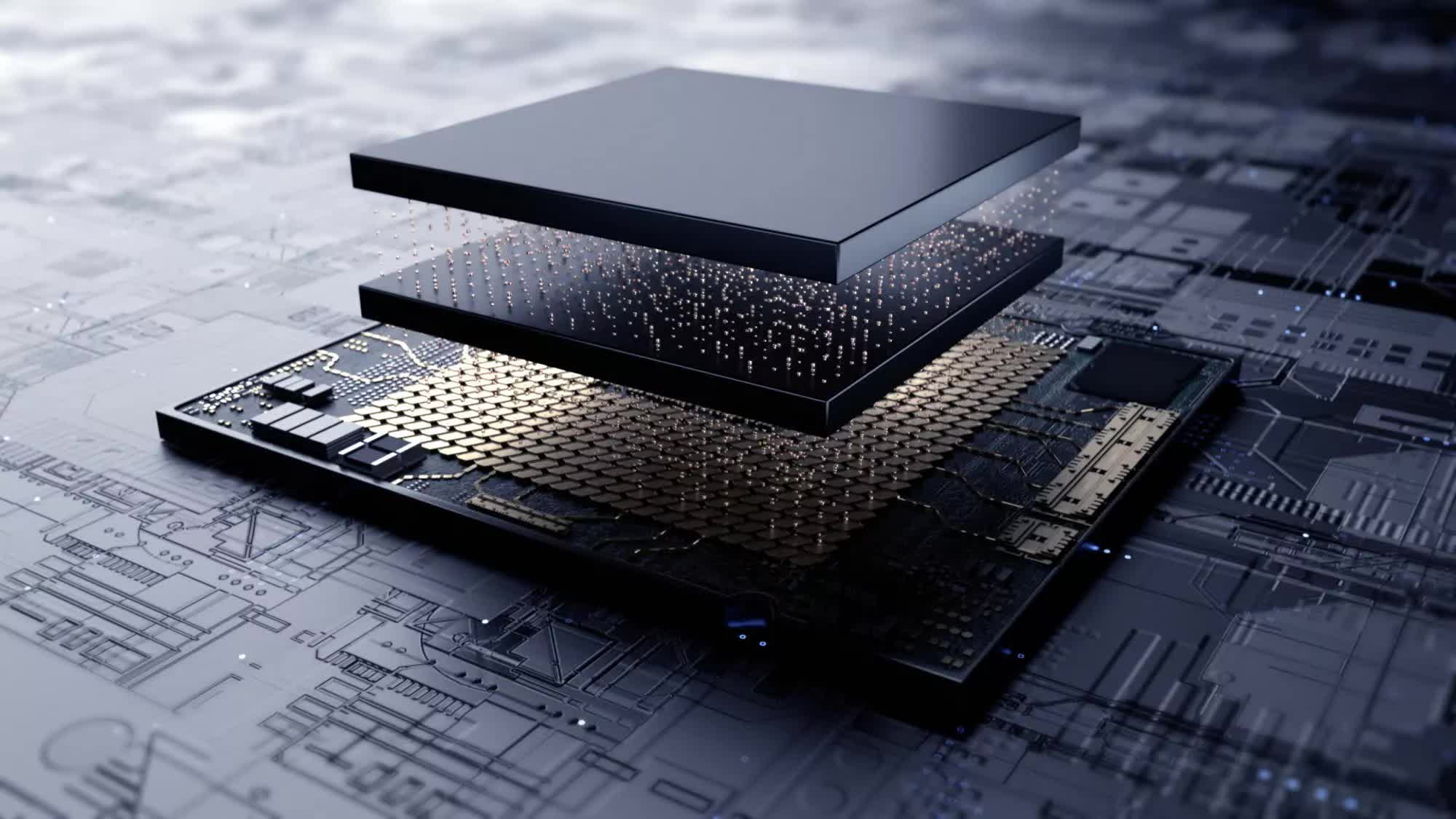
SK Hynix recently announced a major investment in a new South Korean plant. The Icheon-based company will spend $12.9 billion to develop a facility dedicated to advanced chip packaging workloads. The plant will be located in Cheongju, a city that already hosts other SK Hynix facilities.
The new plant, named P&T7, is expected to play a key role in SK Hynix's efforts to meet growing market demand for AI products, including high-bandwidth memory chips. Construction is scheduled to begin in April 2026, with completion targeted by the end of the following year.
Cheongju is already home to the M15 plant, which SK Hynix completed in 2018. Another facility, M15X, is currently under construction in the area to further increase the company's production capacity for new generations of HBM and other DRAM chips. According to SK Hynix, construction on M15X is progressing faster than originally planned.
The Cheongju P&T7 plant is expected to further strengthen South Korea's HBM output, though SK Hynix has said it aims to go beyond short-term efficiency gains. One of the country's crown jewels in chip manufacturing is also considering mid- and long-term investments in Cheongju, bringing new job opportunities and economic growth to the area.
SK Hynix is one of the major partners selected by OpenAI for the Stargate project. Together with Samsung, the company signed an unprecedented agreement to increase production to as many as 900,000 DRAM wafers per month. However, no timeline has yet been announced for achieving this level of output.
As part of the Stargate initiative, SK Hynix is also committed to building a new AI data center in South Korea's southwest region. The increase in manufacturing capacity is expected to help alleviate the current shortage of DRAM chips and other silicon products, while also benefiting SK Hynix financially.
Both Samsung and SK Hynix are now expected to raise DRAM prices by as much as 70 percent. Meanwhile, Big Tech and other major data center customers continue to purchase any chips the two companies can supply over the coming years.
SK Hynix doubles down on high-bandwidth memory with $12.9 billion packaging plant


