Sony and Honda pull the plug on $90,000 Afeela EV as electric dreams stall

Skye Jacobs

Posts: 2,030   +59
Staff
What we know so far: Sony and Honda's partnership to build electric vehicles has been thrown into doubt after the companies halted development of their Afeela model, a move that reflects the growing challenges of transitioning away from gasoline engines. The two companies confirmed they will scrap their joint plan to produce the Afeela electric car, a sleek $90,000 model originally slated for a US debut later this year.
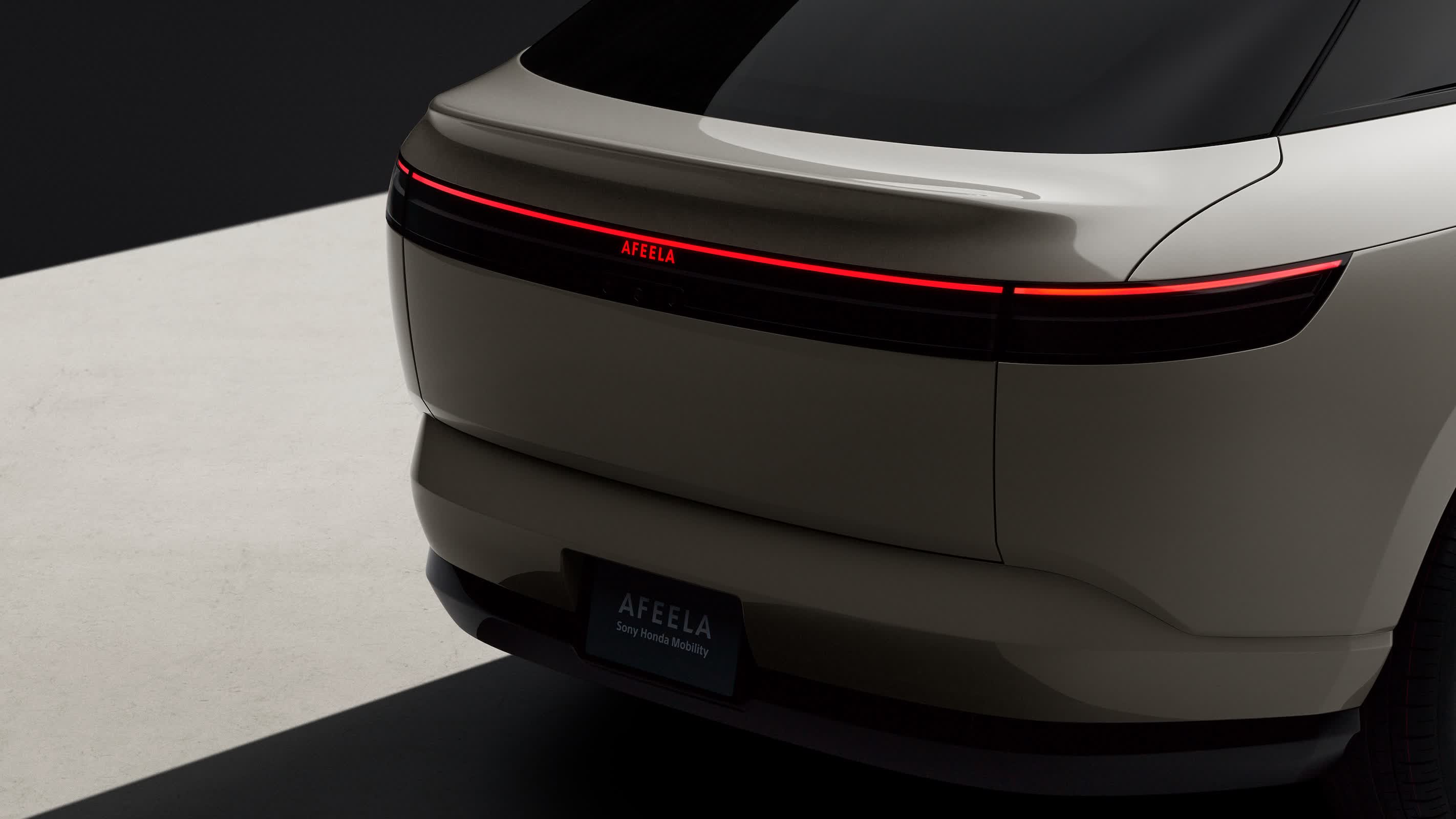
The cancellation marks the latest retreat in a broader industry pullback from electric vehicle programs, as automakers grapple with falling demand, shifting regulations, and rising costs. More than a dozen global carmakers have already delayed or abandoned their all-electric goals, reversing commitments made when government incentives and climate policies favored a faster transition.

Honda, already reeling from its decision earlier this month to abandon its "0" series of electric cars, has warned investors of $16 billion in losses tied to EV development over the next two years. The company also reported its first loss in more than seven decades. "The future of the models under development with Sony had not been resolved," President Toshihiro Mibe said during that announcement.

Mibe, who set a 2021 target for Honda to sell only electric and hydrogen fuel cell vehicles by 2040, has seen that goal come under renewed scrutiny within the company.
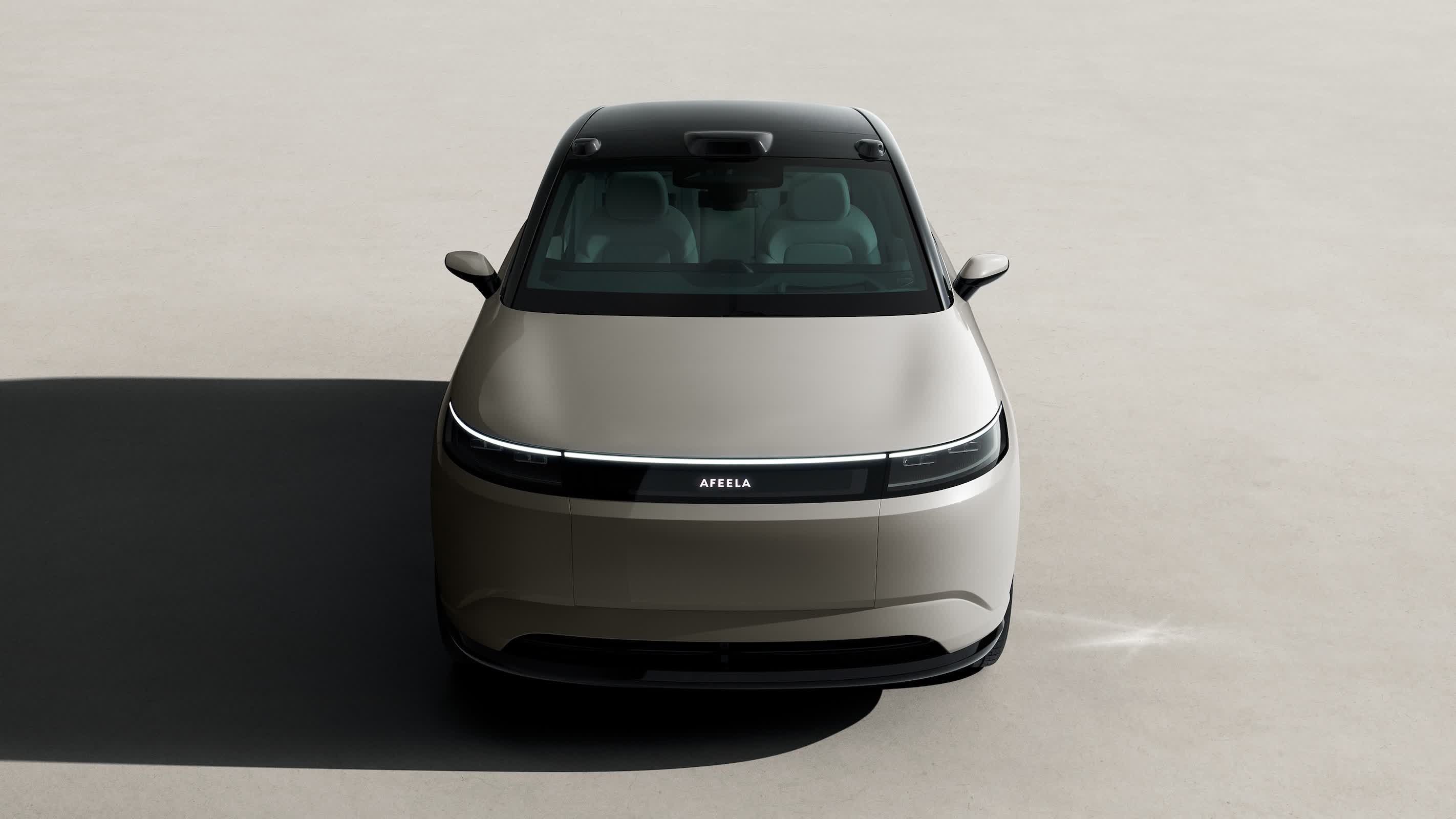
The partnership between Sony and Honda was launched in 2022 as Sony Honda Mobility, with plans to combine Sony's expertise in sensors, software, and entertainment technology with Honda's manufacturing and engineering strengths. The Afeela prototype, which debuted to considerable fanfare at major trade shows, was positioned as a potential challenger to Tesla and China's fast-growing EV brands. Its cancellation leaves both partners without a jointly developed flagship EV on the horizon.

Although global EV demand has cooled, the US market remains critical. However, after Donald Trump rolled back vehicle emissions rules and ended federal tax credits for electric vehicle purchases, sales have declined sharply. This policy reversal removed a key pillar supporting automakers' EV investment plans, particularly for premium-segment models like the Afeela.

Honda's decision will also reshape its broader strategy, which now leans more heavily toward expanding hybrid offerings as the company prepares to unveil its updated roadmap in May. The shift reflects growing pragmatism across the sector. Even luxury brands such as Rolls-Royce, owned by BMW, have confirmed they will continue producing gasoline-powered cars beyond 2030.
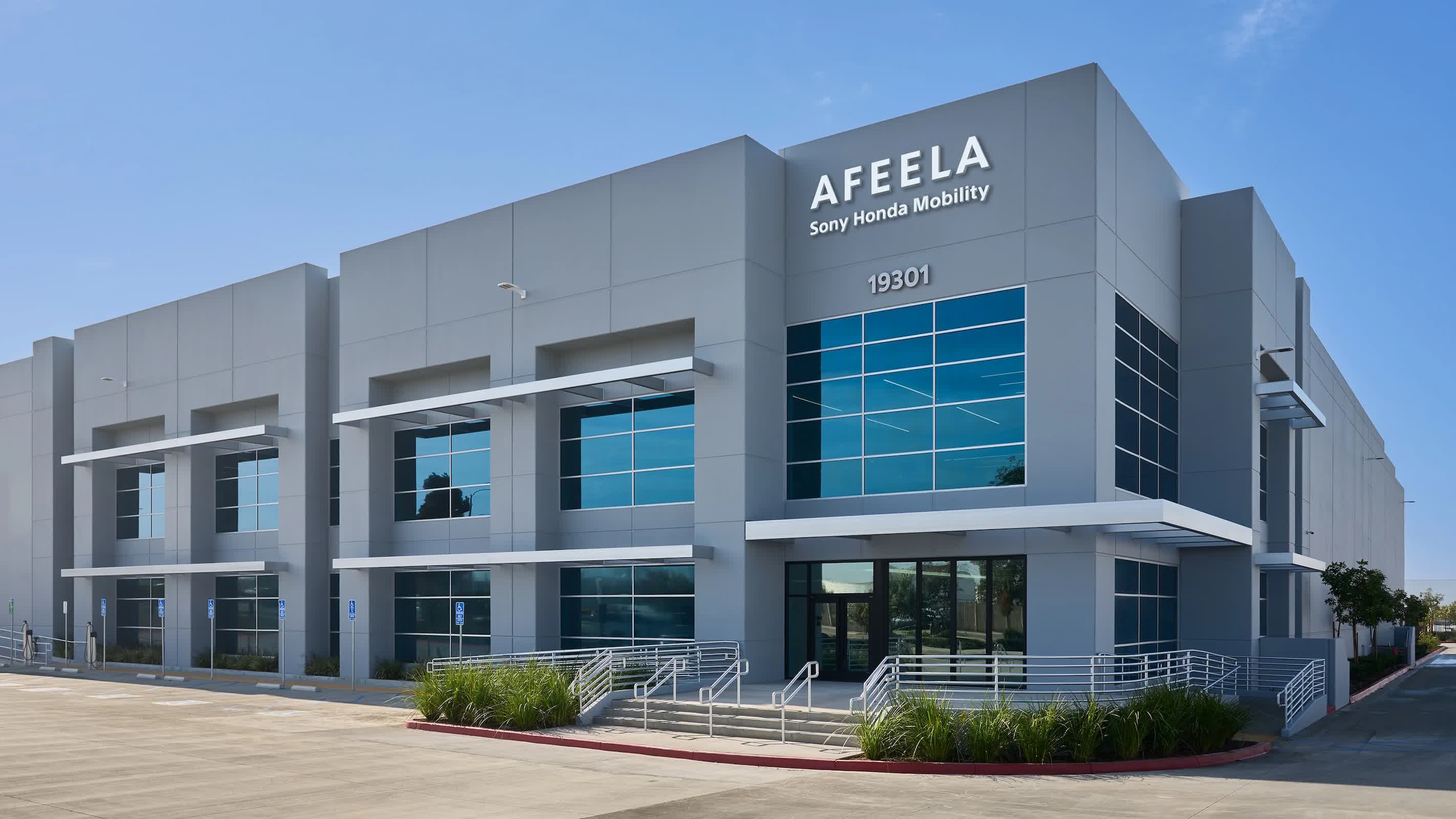
The implications extend beyond a single project for Sony: the end of the Afeela venture disrupts its long-term push to embed entertainment and software ecosystems into vehicles – a potential new frontier for its technology and media divisions.

Globally, automakers are absorbing significant financial losses from the pullback. Ford, Stellantis, and General Motors have collectively written down more than $75 billion over the past year due to delayed or canceled electric vehicle programs and related investments. Against that backdrop, Sony and Honda's formal withdrawal from high-end EV production adds to the growing evidence that the electric future – once seen as inevitable – is undergoing a significant reset.

Permalink to story:

 
Tesla was the most popular EV (before they got political) because they made a car that just happened to be electric. So many EVs want to try to look the the future with niche styling that doesn't appeal to many people and then they ruin the user experience by turning everything into a subscription. I'm not paying $100,000 for a "luxury" car where heated seats, remote start and even surround sound is a subscription. Then they throw microchips and everything and charge you $2000 for a new headlight because only the dealer has access to the software to "program" it for you.

Make a normal looking car that's cheap and easy to maintain at a reasonable price and people will eat it up. It's not that people don't want an EVs. It's that manufacturers don't know how to make an EV with mass market appeal.

They need to make vehicles that people want to buy, not vehicles they want to sell.

The company I work for has a massive fleet of trucks and we swap about at least 10 every year. I see so many base model trucks that would be perfect for work that are like 50-60k but you can't buy them because they only want to sell them with another 50k worth of options. We can order them with no options but they build those last so all of our fleet "work trucks" have high end auto systems, nav screens, leather seats but it might be 2 or 3 years before we get the trucks unless we order all of them with 20k+ worth of options.
 
Last edited:
No-one can compete with the giant Chinese NEV brands it seems...

Well they don't *have* to compete, what with the huge tariff walls around the US and EU... which of course will hasten the legacy, pollution-farting brands descent into obsolescence.
 
The EV market would be a whole lot better if they focused on low cost hybrids and EVs. The more EVs on the road the better the infrastructure would be, which would eventually create a sustainable mid-range and high end market for EVs.
 
No-one can compete with the giant Chinese NEV brands it seems...

Well they don't *have* to compete, what with the huge tariff walls around the US and EU... which of course will hasten the legacy, pollution-farting brands descent into obsolescence.
Chinese companies receive absolutely insane subsidies from their government, along with paying slave wages and not having to bother with all those pesky safety regulations. And dont even ask what happens when these chinese EVs get up to 10 years and 150k+ miles. Good luck finding parts!
The EV market would be a whole lot better if they focused on low cost hybrids and EVs. The more EVs on the road the better the infrastructure would be, which would eventually create a sustainable mid-range and high end market for EVs.
Evs need the infrastructure first. Gas cars predated the fueling stations because you could buy gasoline at hardware stores and refuel by hand. that doesnt work with electricity.

More than half of americans have a 0% chance of ever having at home charging, the rest have to overcome some expensive hurdles. For cheap EVs to sell well those people need to be able to charge them.
Tesla was the most popular EV (before they got political) because they made a car that just happened to be electric. So many EVs want to try to look the the future with niche styling that doesn't appeal to many people and then they ruin the user experience by turning everything into a subscription. I'm not paying $100,000 for a "luxury" car where heated seats, remote start and even surround sound is a subscription. Then they throw microchips and everything and charge you $2000 for a new headlight because only the dealer has access to the software to "program" it for you.

Make a normal looking car that's cheap and easy to maintain at a reasonable price and people will eat it up. It's not that people don't want an EVs. It's that manufacturers don't know how to make an EV with mass market appeal.

They need to make vehicles that people want to buy, not vehicles they want to sell.

The company I work for has a massive fleet of trucks and we swap about at least 10 every year. I see so many base model trucks that would be perfect for work that are like 50-60k but you can't buy them because they only want to sell them with another 50k worth of options. We can order them with no options but they build those last so all of our fleet "work trucks" have high end auto systems, nav screens, leather seats but it might be 2 or 3 years before we get the trucks unless we order all of them with 20k+ worth of options.
Agree. I dont want a rolling ipad with pointless electric door handles bing bing bonging at me constantly. M MK7 VW is pretty much perfect interior wise, just give me that with an electric drivetrain.
 
Tesla was the most popular EV (before they got political) because they made a car that just happened to be electric. So many EVs want to try to look the the future with niche styling that doesn't appeal to many people and then they ruin the user experience by turning everything into a subscription. I'm not paying $100,000 for a "luxury" car where heated seats, remote start and even surround sound is a subscription. Then they throw microchips and everything and charge you $2000 for a new headlight because only the dealer has access to the software to "program" it for you.

Make a normal looking car that's cheap and easy to maintain at a reasonable price and people will eat it up. It's not that people don't want an EVs. It's that manufacturers don't know how to make an EV with mass market appeal.

They need to make vehicles that people want to buy, not vehicles they want to sell.

The company I work for has a massive fleet of trucks and we swap about at least 10 every year. I see so many base model trucks that would be perfect for work that are like 50-60k but you can't buy them because they only want to sell them with another 50k worth of options. We can order them with no options but they build those last so all of our fleet "work trucks" have high end auto systems, nav screens, leather seats but it might be 2 or 3 years before we get the trucks unless we order all of them with 20k+ worth of options.

Tesla was a success because there was a market for the "well to do" to both have a status symbol and virtue signal at the same time. There was no such thing as a cheap Tesla, and most were bought as second cars. Despite the car not changing much, virtue signaling went out since the silly rules about that sport required you drop the car because the man who made them is no longer in agreement with whatever values you have.

Hardly a reason to spend or not spend $60,000 on a vehicle, but then, I don't have that kind of disposable income.
 
Tesla was a success because there was a market for the "well to do" to both have a status symbol and virtue signal at the same time. There was no such thing as a cheap Tesla, and most were bought as second cars. Despite the car not changing much, virtue signaling went out since the silly rules about that sport required you drop the car because the man who made them is no longer in agreement with whatever values you have.

Hardly a reason to spend or not spend $60,000 on a vehicle, but then, I don't have that kind of disposable income.
Their most successful cars have been their cheaper 3 and y, not the expensive halo S and X models.
 
90k for a very plain looking car. What marketing genius EVER thought this would sell. That thing looks like it should be a $20000 car. Not $90k. And just how many did they expect to sell? Most people cannot afford one. Those that can will opt for a better looking car.
 
Back