
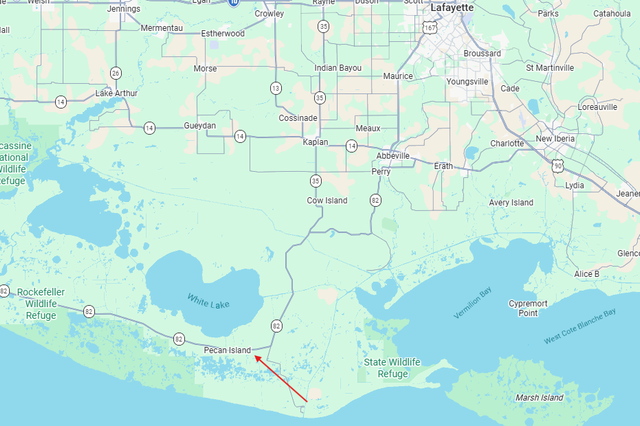
What we know so far: SpaceX has announced that it plans to build a new $100 billion spaceport on the Louisiana Gulf Coast, and to say it will be massive is an understatement. The company plans to construct the facility across 125,000 acres, or 195 square miles, in an area known as Pecan Island.
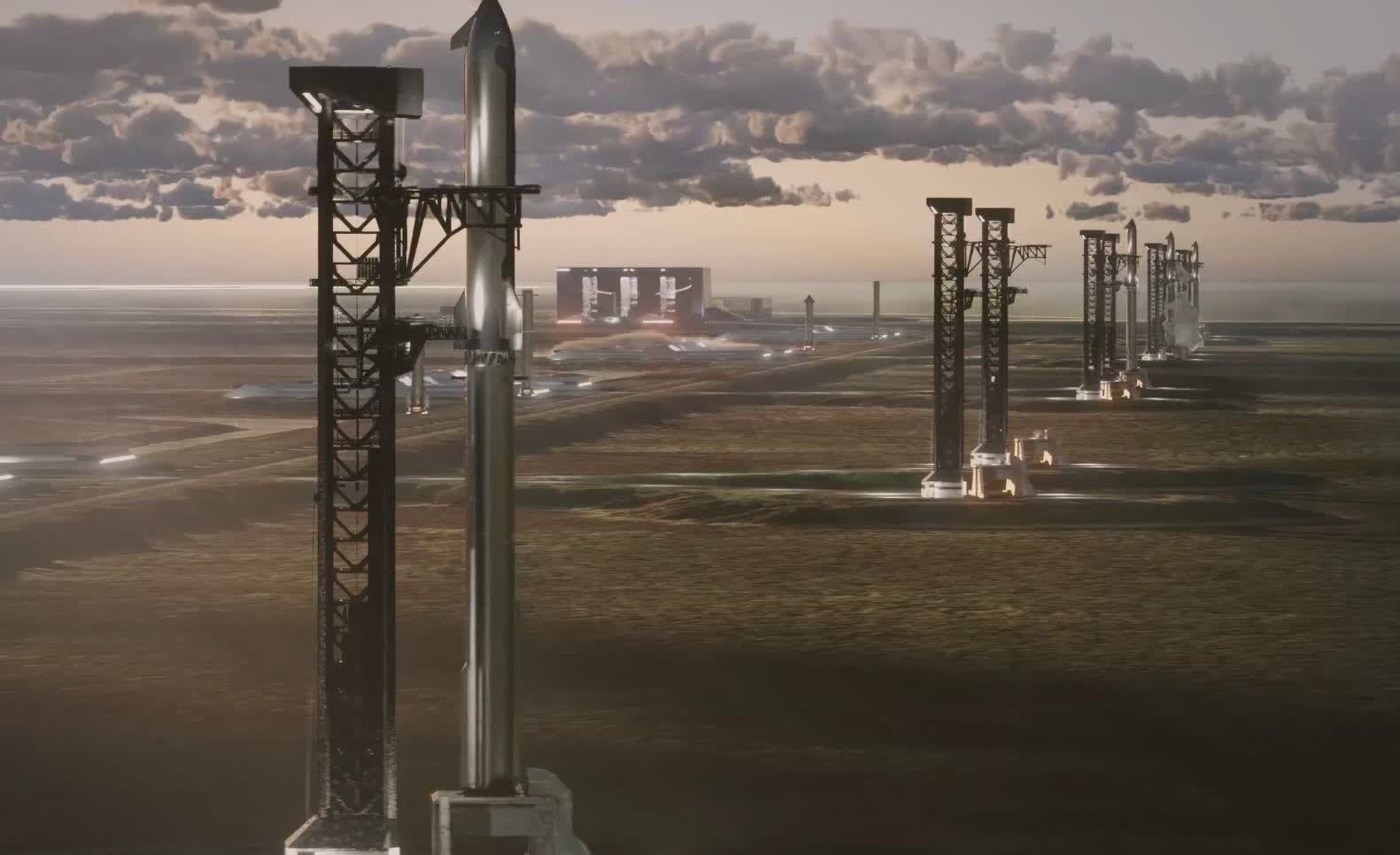
SpaceX president and chief operating officer Gwynne Shotwell said the facility, aptly named Starbase Louisiana, will be a self-sustaining spaceport with propellant production, power generation, deep-water shipping capabilities, vehicle-processing facilities, and even an airport.
The site is expected to house five launch complexes with two pads and a propellant farm apiece. That would make it SpaceX's fourth and largest launch site, with the capacity to support thousands of missions per year. Construction is due to begin in 2027, and the first launch is targeted for 2029, according to Louisiana Economic Development.
SpaceX likely chose the location for several reasons: its vast footprint provides room for expansion, the Gulf offers access to a wide range of launch trajectories, and Louisiana's abundant natural gas can supply both power and the methane used by Starship's Raptor engines. Deep-water access would also allow SpaceX to move the enormous vehicles and other hardware by ship.
– SpaceX (@SpaceX) August 25, 2026
That ambitious launch rate depends on SpaceX making Starship rapidly and fully reusable. It was recently reported that the redesigned Starship V3 completed its first full test flight, while a 2024 milestone saw the company catch a returning Super Heavy booster using the launch tower's giant mechanical arms.
Starbase Louisiana would help launch Starlink satellites, missions to the Moon and Mars, and SpaceX's proposed orbital data centers – a plan that may involve up to one million satellites.
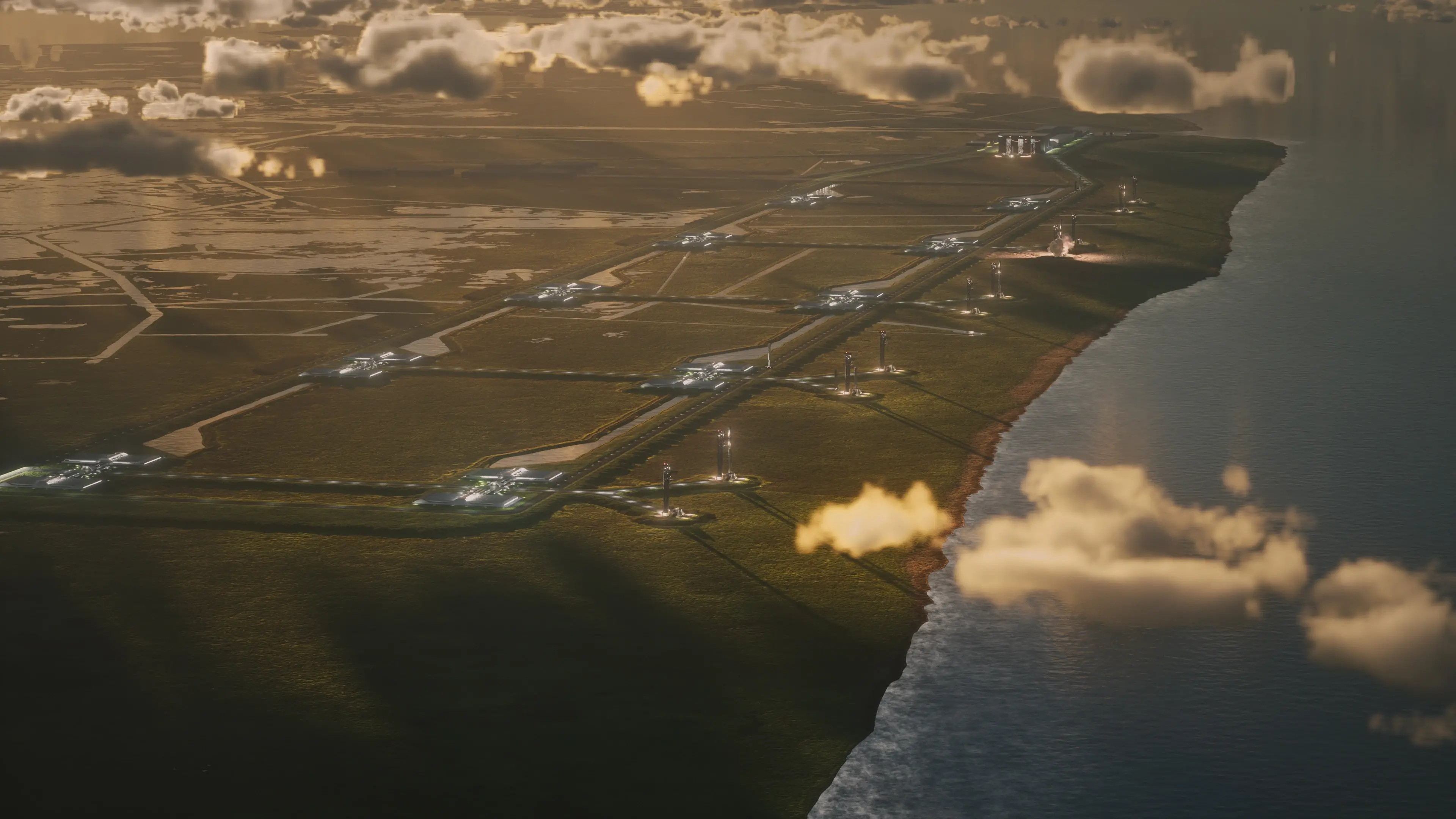
State officials expect the project to create 3,000 direct jobs over a decade with an average salary of $92,600, plus more than 8,100 indirect positions.
Louisiana has offered tax rebates and recruitment assistance, while SpaceX has agreed to make more than $820 million in local payments over 25 years and donate $25 million to a regional community foundation.
Unsurprisingly, the enormous scale of the development has raised plenty of concerns, especially when it comes to environmental implications.
The site occupies fragile coastal marshland close to protected wildlife areas, and residents and conservation groups fear the noise, light, traffic, and construction could harm fisheries, migratory birds, and wetlands that serve as a natural hurricane buffer. Many locals also say they were kept in the dark while officials negotiated the deal.
SpaceX's history suggests that people's concerns could be warranted. The company underestimated the blast effects of Starship's first integrated launch in Texas, which made a crater and scattered debris across the surrounding area. However, the Louisiana project will still face federal licensing and environmental reviews before rockets can fly.
SpaceX says it will develop only a small part of the property, leave large areas untouched, and work with state agencies to restore eroding marshland. It also plans to hold public town halls in the coming months.




 Its long been theorized by Science, no less, that cockroaches would outlive humanity even if some dolt were to start a nuclear holocaust.You cannot eliminate cockroaches. IMO, The better question to ask is what benefits do cockroaches provide?


