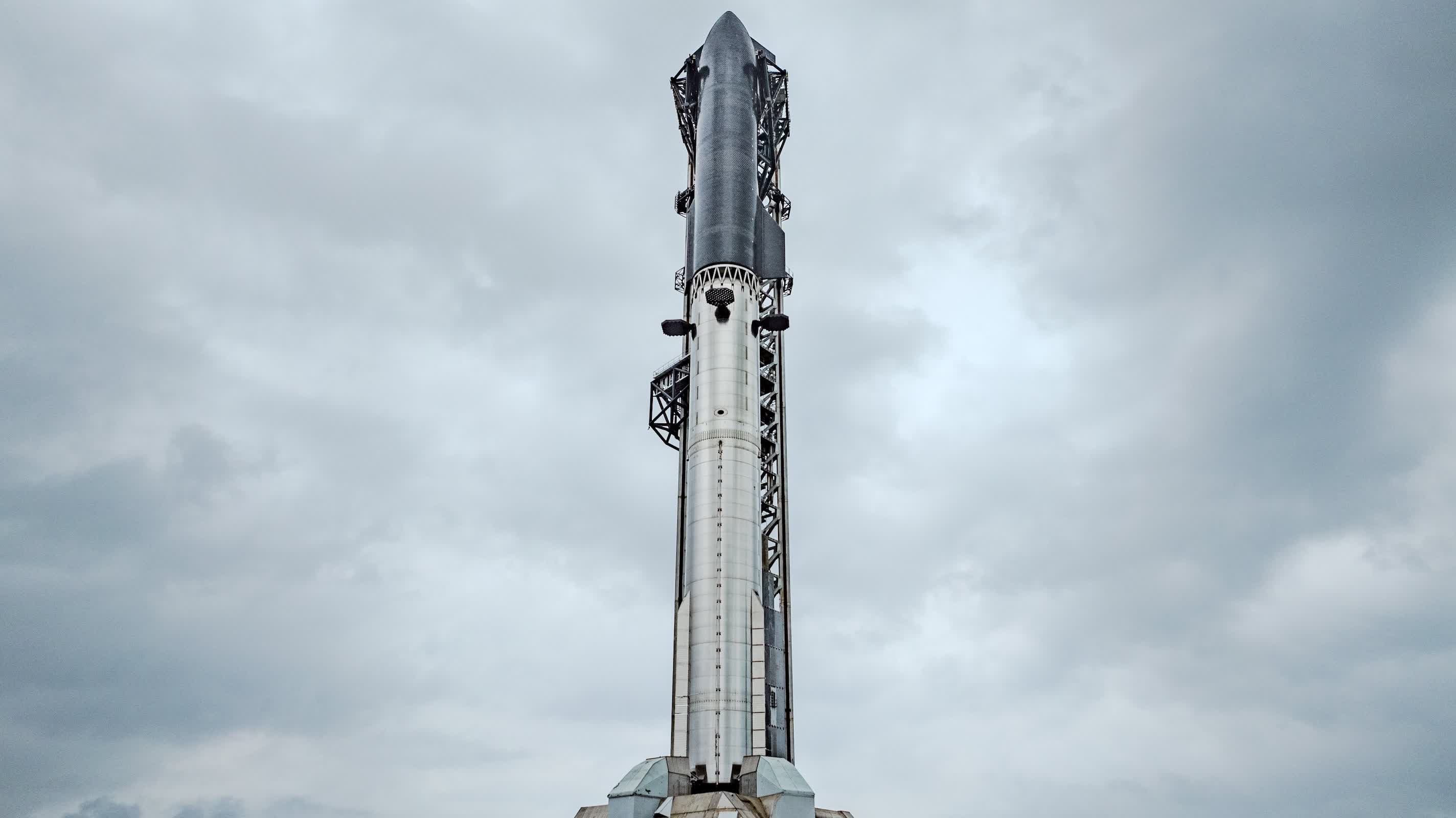
Update (May 23): SpaceX has now successfully launched and recovered the redesigned Starship V3 after scrubbing the previous attempt due to a launch tower issue. During the test flight, the massive rocket reached sub-orbital space, deployed multiple dummy satellites, and completed a controlled descent over the Indian Ocean despite losing one upper-stage engine in flight.
While the ship ultimately broke apart after splashing down as planned, the mission marked a major milestone for SpaceX's next-generation reusable launch system, which is central to the company's upcoming IPO plans, Starlink expansion, and Elon Musk's long-term Mars ambitions.
– SpaceX (@SpaceX) May 23, 2026
SpaceX scrubs Starship V3 test flight after last-minute launch tower issue
SpaceX called off the first launch of its Starship V3 rocket on Thursday evening after a ground equipment issue emerged just before liftoff, delaying a test closely watched by investors. The problem was not with the rocket itself, but with the launch tower. Elon Musk said on X that a hydraulic pin holding the tower's launch arm in place failed to retract. "If that can be fixed tonight, there will be another launch attempt tomorrow," he wrote, suggesting the issue could be resolved quickly.
Even so, the timing of the delay is notable. SpaceX had scheduled the launch just one day after filing paperwork for what could become the largest IPO in history, reportedly valuing the company at $1.75 trillion. "Tying the launch to their IPO timeline is daring," Greg Autry, associate provost at the University of Central Florida, told the Financial Times. "Elon likes creating pressure for his teams and himself. It's one of his marquee operational modes."
At the center of that pressure is Starship itself. The V3 version is a major redesign of the system SpaceX has been developing for years and plays a central role in the company's long-term strategy. Standing 408 feet tall, it is significantly larger than the Falcon 9, which flew 165 missions last year, and is designed for full reusability. Both the booster and upper stage are intended to be recovered and reused, an approach SpaceX sees as essential to lowering launch costs and increasing flight frequency.
– Elon Musk (@elonmusk) May 21, 2026
The planned test flight was intended to demonstrate several of those capabilities at once. The rocket was expected to follow a suborbital trajectory, deploy test payloads, and attempt to land its booster on a drone ship in the Gulf of Mexico. Onboard were two modified Starlink satellites and 20 dummy payloads designed to match the size of the company's next-generation V3 satellites. Eventually, SpaceX expects each Starship launch to carry up to 60 satellites, a substantial increase over current deployment capacity.
That scale matters because Starlink has become the company's primary profit driver. According to its IPO filing, SpaceX generated $11.4 billion in revenue from its connectivity business in 2025, with operating income reaching $4.4 billion. Both figures increased significantly from the previous year. The company told regulators that "Our ability to execute our growth strategy is highly dependent on Starship," and said it plans to begin delivering payloads to orbit with the system in the second half of this year.
Still, the development program has faced setbacks. Starship has completed 11 test flights so far, several of which ended in high-profile failures. A test last June ended in an explosion on the launch pad following what the company described as a "major anomaly."
Another flight in May failed after engineers were unable to deploy a payload and subsequently lost control of the vehicle during re-entry. Two additional test flights ended with the rocket spinning out of control and breaking apart over the Caribbean, incidents that prompted regulators to temporarily ground the program.
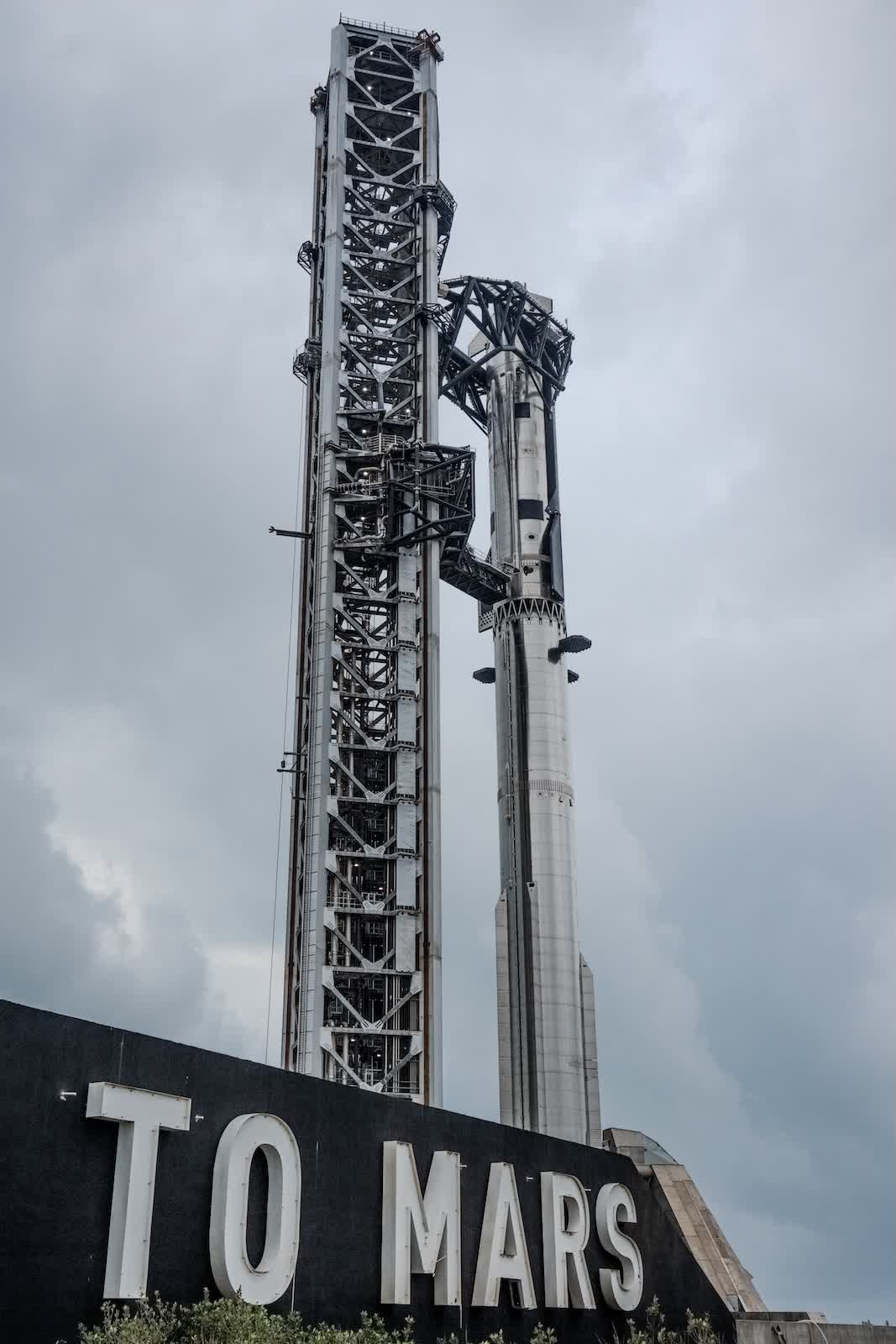
There have also been signs of progress. Starship first reached space in late 2023, and in October 2024, SpaceX successfully demonstrated one of its more unusual recovery techniques by catching the returning Super Heavy booster with the launch tower's "Mechazilla" arms.
The V3 iteration is intended to build on those gains and improve the system's reliability, a persistent weakness throughout the program's development. Musk has downplayed the impact of potential setbacks, saying ahead of the launch that even a failure would likely delay progress by no more than about a month.
Thursday's scrub serves as a reminder that the path to rapid, repeatable launches depends on more than rocket design alone. The issue occurred in the ground system rather than in propulsion or flight software, illustrating how critical launch infrastructure has become as SpaceX pushes toward higher launch cadence. As the company works toward multiple launches per day, those systems will need to operate with the same consistency and reliability as the vehicles they support.