Swedish startup unveils foot-long drone-killing interceptor that can exceed 220 mph

midian182

Posts: 11,850   +181
Staff member
Why it matters: Cheap attack drones have created one of modern warfare's biggest economic problems, with the weapons used to stop them often costing far more than the aircraft they destroy. A Swedish startup believes its foot-long interceptor could make countering drones far more cost-effective, and it has now demonstrated the system taking down targets.
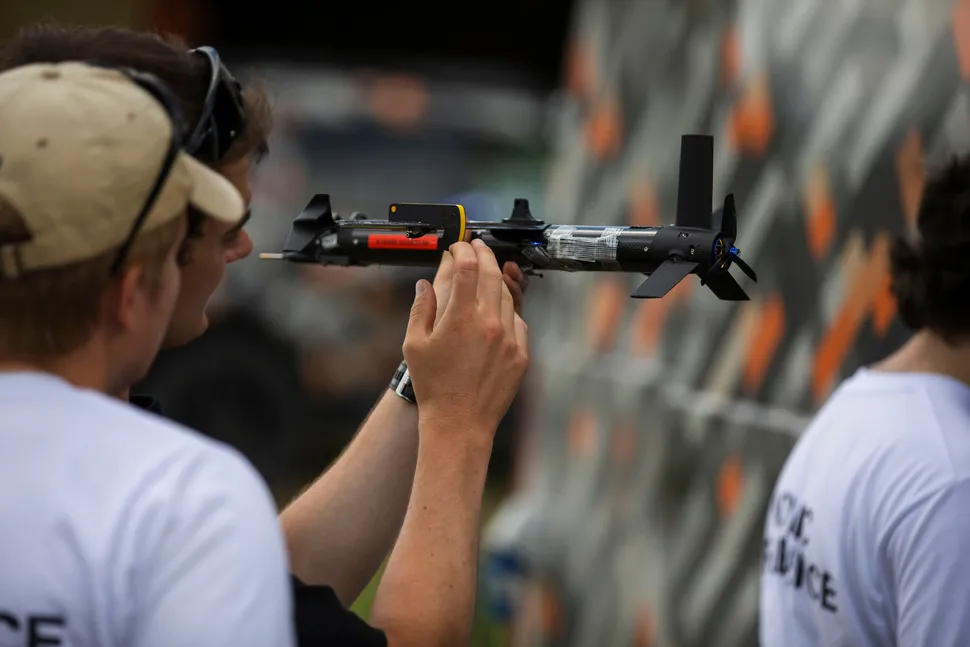
Stockholm-based Nordic Air Defence publicly showed off the K100XR for the first time during a recent Demo Day. Journalists watched the counter-drone system detect, chase, and engage target aircraft in real time.
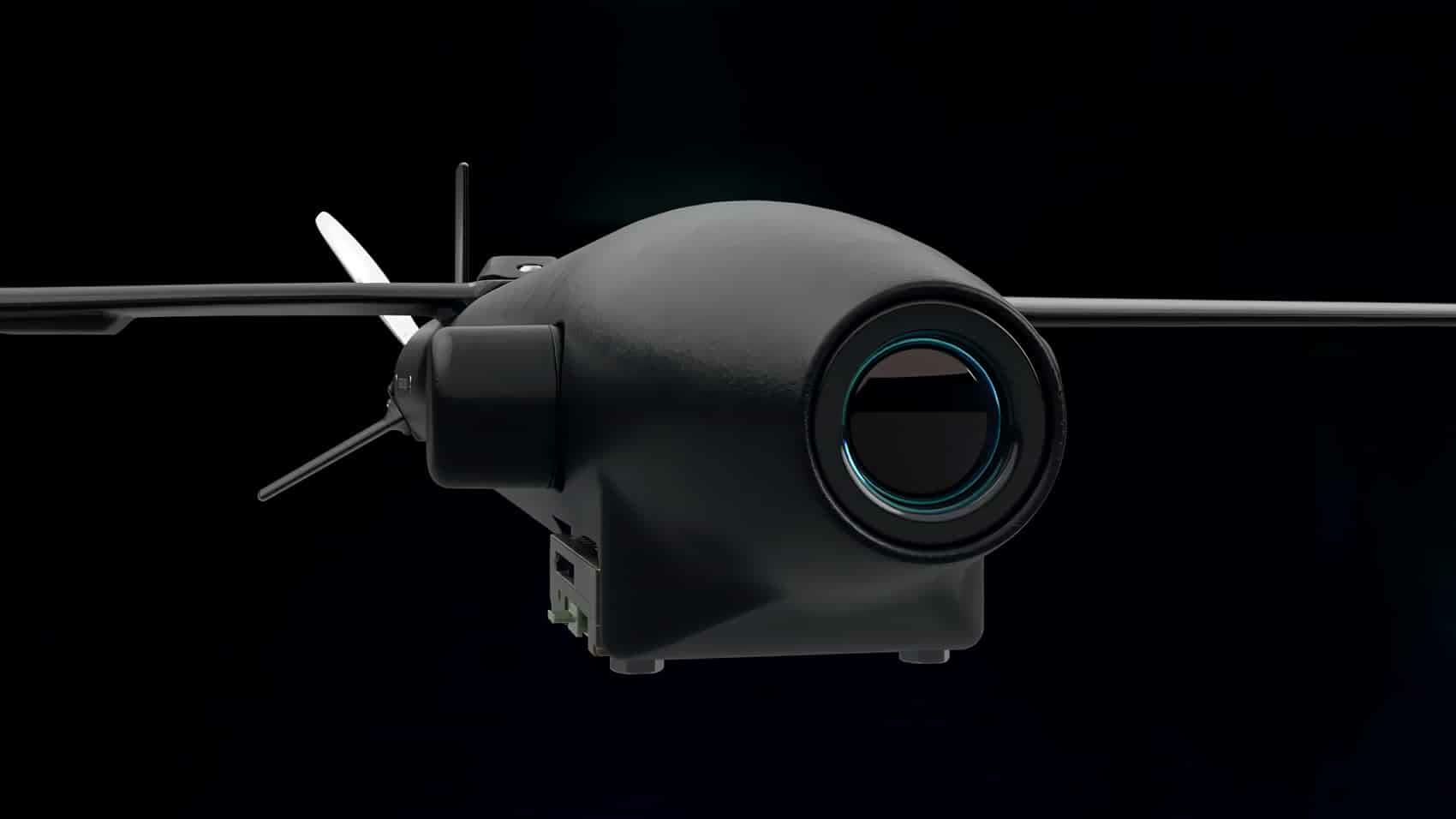
The carbon-fiber interceptor is roughly 12 inches long and weighs about one pound. Despite those dimensions, its propeller-driven design can exceed 220 mph.

The K100XR has a range of more than 1.9 miles, can reach altitudes of around 3,300 feet, and is able to loiter for at least 20 minutes while waiting for a target. Nordic Air Defence says its onboard AI can detect, classify, and track hostile drones without continuous input from an operator.
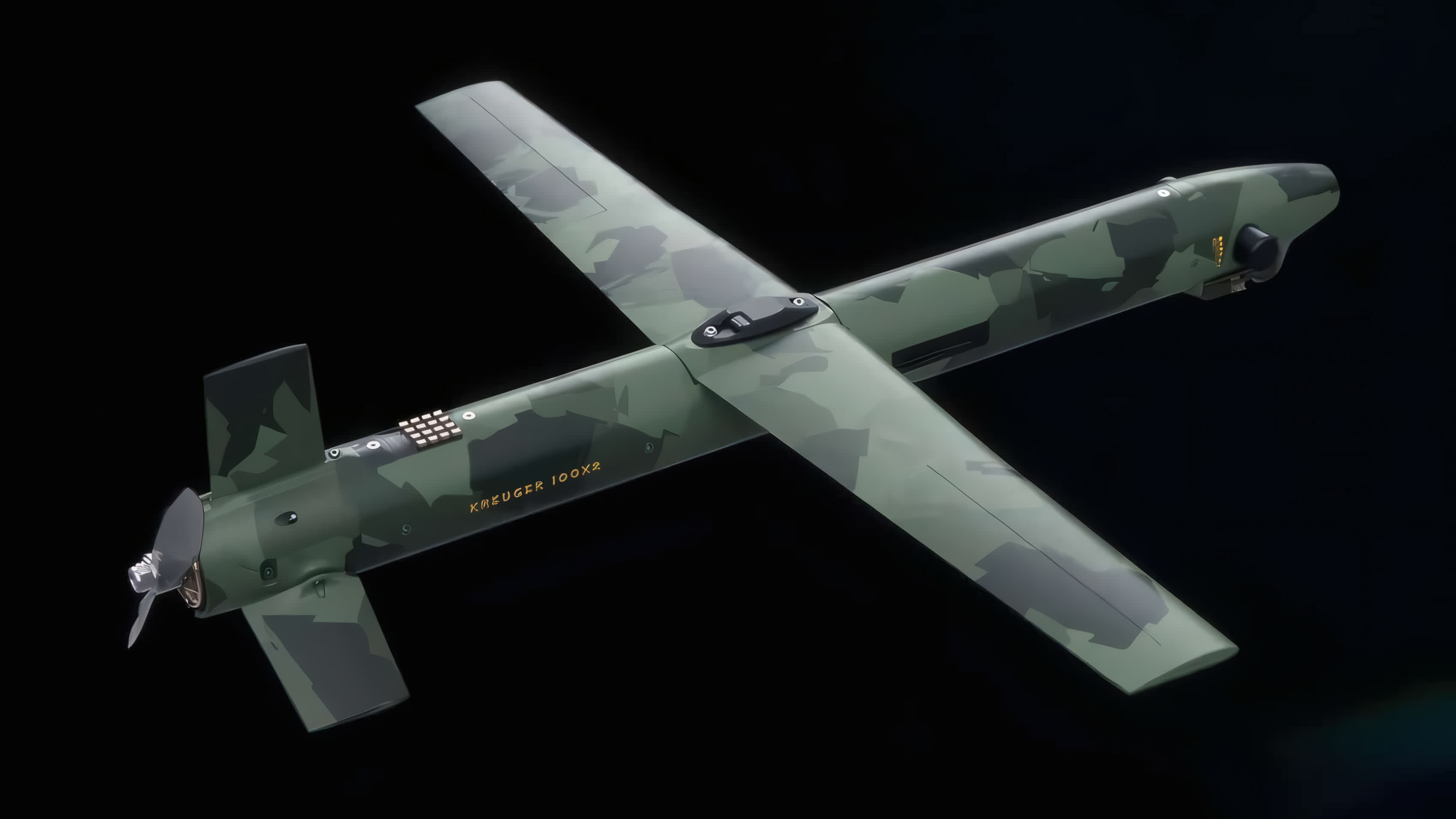
An integrated thermal infrared seeker allows it to operate at night and through cloud cover. It can also enter a fully autonomous, radio-silent mode in environments where electronic warfare makes communication with ground controllers unreliable.
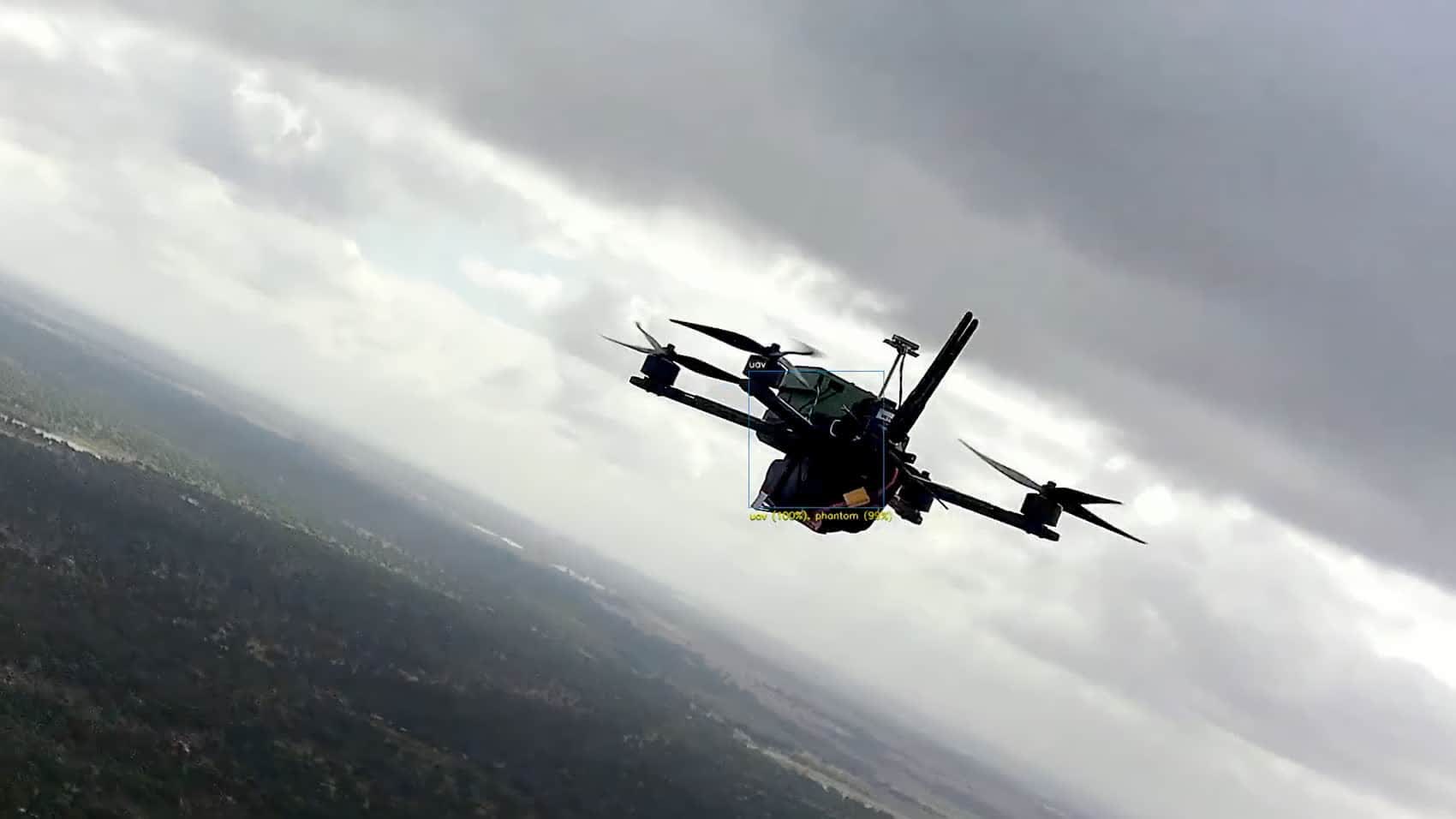
The primary targets are Shahed-type one-way attack drones, along with smaller reconnaissance aircraft. The interceptor can destroy threats kinetically and is available with an optional explosive warhead for taking down larger drones.
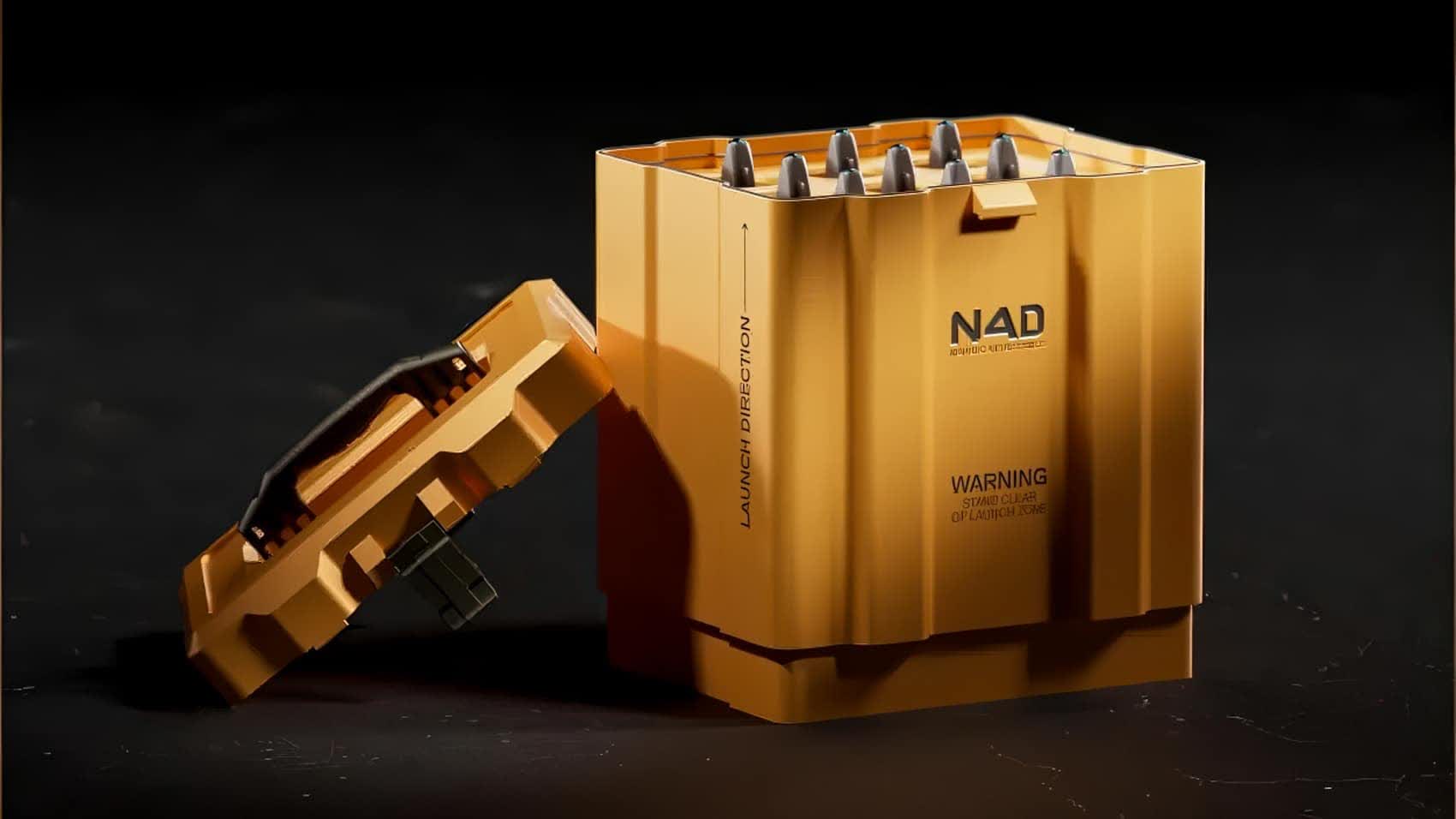
Nordic Air Defence says three K100XR units cost less than a single Stinger missile, which is priced at around $480,000. That makes firing several interceptors at an incoming swarm more financially sustainable than using traditional air-defense missiles.

The financial implications of drone warfare have been making headlines recently. The US military is seeking cost-effective and disposable combat drones after around 30 MQ-9 Reapers were lost during operations against Iran, representing roughly $1 billion in destroyed aircraft. The Pentagon now wants cheaper machines that commanders can afford to lose.

Instead of risking a multimillion-dollar aircraft or firing a missile worth hundreds of thousands of dollars, militaries can deploy K100XR interceptors against equally expendable threats.

Nordic Air Defence is working with Volvo Defense on a vehicle-mounted system and has partnered with Poland's WB Group and Tantalit on integration and potential local assembly. Militaries are now waiting to see if the interceptor can be manufactured at the scale required for drone-heavy conflicts.

Permalink to story:

 
150k per interceptor. Still expensive. I think mobile guns able to fire ammo fast enough and accurately enough with the help of AI could make intercepting drones much more affordable.
You your enemy (China) can scale drone production so greatly that they cost very little money,
the response need to be of the same strength. 5000 drones launched at once would require launching at least 5000 intercepting devices. If it was this type, it would cost 750000000 dollars.
They need to be a lot cheaper. Under 10k each. There is not much room, especially for USA.
 
150k per interceptor. Still expensive. I think mobile guns able to fire ammo fast enough and accurately enough with the help of AI could make intercepting drones much more affordable.
You your enemy (China) can scale drone production so greatly that they cost very little money,
the response need to be of the same strength. 5000 drones launched at once would require launching at least 5000 intercepting devices. If it was this type, it would cost 750000000 dollars.
They need to be a lot cheaper. Under 10k each. There is not much room, especially for USA.

Iran Shahed-136 drones don't cost more than 2k...!
 
Swedish startup unveils foot-long drone-killing interceptor that can exceed 220 mph

The speed of 220 mph is a lie for this one lb drone not to mention a light of wind gust would deviate its course...! Thermal seeking wouldn't work on a regular Shahed as they are equipped with reciprocation engine with little thermal signature...! Shahed would probably find this drone before this drone finds Shahed...!
 
150k per interceptor. Still expensive. I think mobile guns able to fire ammo fast enough and accurately enough with the help of AI could make intercepting drones much more affordable.
You your enemy (China) can scale drone production so greatly that they cost very little money,
the response need to be of the same strength. 5000 drones launched at once would require launching at least 5000 intercepting devices. If it was this type, it would cost 750000000 dollars.
They need to be a lot cheaper. Under 10k each. There is not much room, especially for USA.

"...with the help of AI..." is absolutely hilarious, bro. You actually believe "AI" exists? No, it does not. And no amount of processing power changes the intercept math and ballistics for such a collision, it's got nothing to do with "intelligence", artificial or otherwise.

When did they stop teaching physics in school?
 
"...with the help of AI..." is absolutely hilarious, bro. You actually believe "AI" exists? No, it does not. And no amount of processing power changes the intercept math and ballistics for such a collision, it's got nothing to do with "intelligence", artificial or otherwise.

When did they stop teaching physics in school?
I won't fault your physics, but The AI portion isn't used to calculate intercept vectors, but to determine whether or not the target is actually a drone requiring interception.

And AI does exist ... though it's more properly called machine learning. We can't even define intelligence yet, so its pointless to discuss whether an artificial form exists.

@toooooot 's point is correct. At $150K or so each, these are too expensive to be used against $2K drones.
 
Last edited:
So three of these anti-drone drones cost <$480,000... so only $150,000 each? lol

The military industrial complexes greed and value distortion never ceases to amaze.
 
So three of these anti-drone drones cost <$480,000... so only $150,000 each? lol

The military industrial complexes greed and value distortion never ceases to amaze.
...or you could instead learn the basics of business. Profit margins in the defense industry are rarely higher than other sectors. They must follow additional rules and regulations beyond other firms, and, in most cases, they research, develop, design, and produce products for just one single customer, who may decide not to purchase at all, or buy in very limited quantities. And when products are sold to multiple nations, each individual customer invariably wants the product customized or even partially redesigned to fit their specific needs, making economies of scale difficult to capture. Is it any wonder their costs are so much higher?
 
When I can get a drone for under a $100 (with a 4K camera onbooard) that will easily stay up for two hours, I'll buy one.
 
I won't fault your physics, but The AI portion isn't used to calculate intercept vectors, but to determine whether or not the target is actually a drone requiring interception.

And AI does exist ... though it's more properly called machine learning. We can't even define intelligence yet, so its pointless to discuss whether an artificial form exists.

@toooooot 's point is correct. At $150K or so each, these are too expensive to be used against $2K drones.
When I bought my 1st CD burner, it was $600! Nice that it had a $100 rebate. Now, you can buy Bluray burners for far less. As with most other things, when they 1st become available, they are very expensive; the cost will eventually decrease, perhaps even plummet. After the military buys thousands of them, & the manufacturer's development costs are paid, the price will drop.
 
Back