Winners & losers: Tesla's core auto business is losing momentum in its three biggest markets as CEO Elon Musk devotes more of his attention to robotics and other side bets. The data now points to a company no longer setting the pace in electric vehicles but instead trying to hold ground against cheaper Chinese brands and rejuvenated European incumbents.
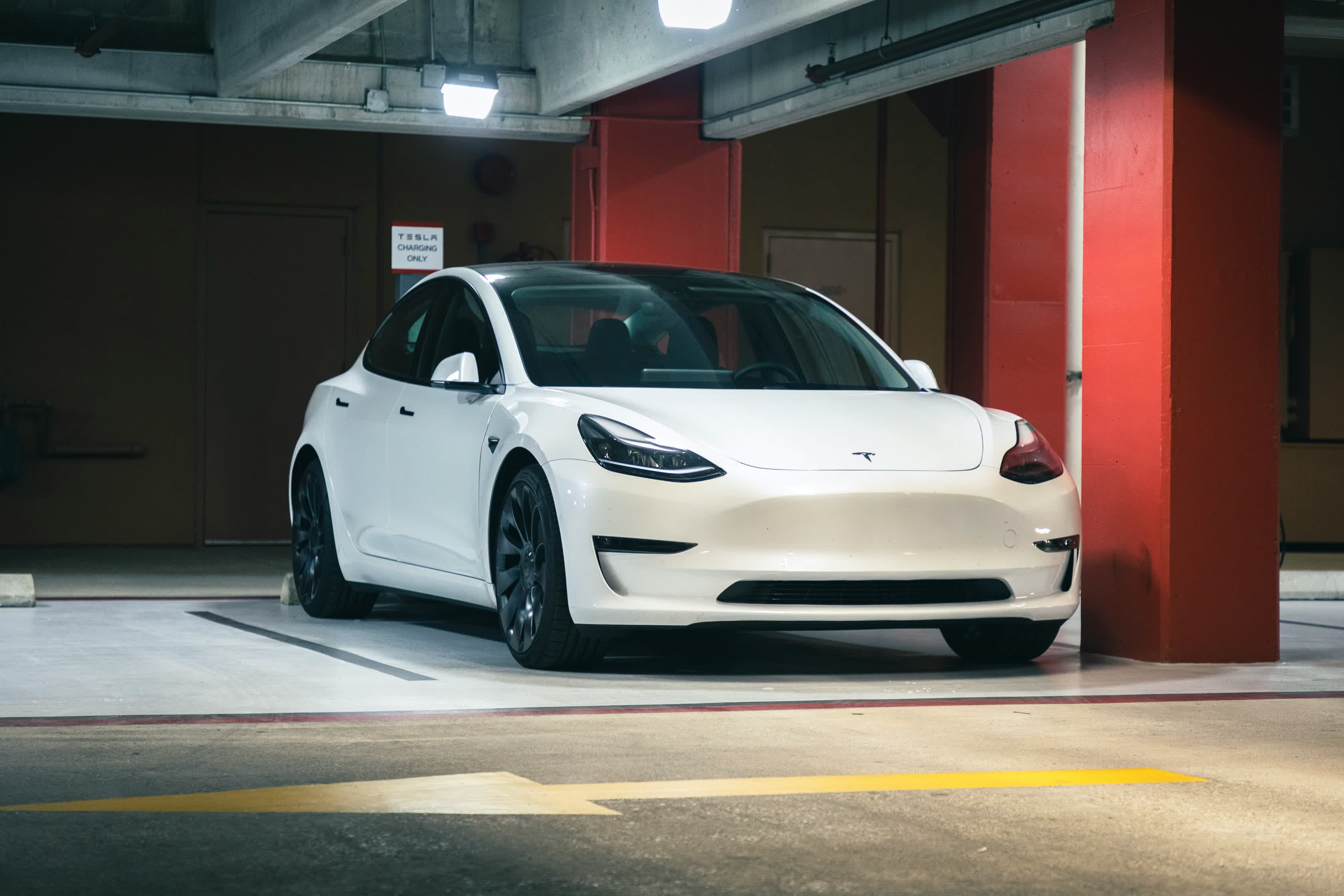
After years of hypergrowth, Tesla's vehicle business is now contracting even as the broader EV market keeps expanding. Global deliveries are projected to fall 7% this year, after slipping 1% in 2024, according to Visible Alpha – two consecutive years of decline despite the company's self-congratulatory description of "record" third-quarter shipments. Those third-quarter numbers were inflated by US buyers rushing to take delivery before a key federal EV tax credit expired on September 30.
The deceleration contrasts sharply with Musk's earlier promises to shareholders. Late last year, he told investors he expected vehicle sales to grow 20% to 30% in 2025, a target that has since vanished from Tesla's formal guidance.
In January, the company spoke vaguely of a return to growth, then withdrew that outlook the following quarter, and now ties any future expansion to macroeconomic conditions, progress in autonomous driving, and how quickly it can ramp factory output.

Europe is showing the sharpest reversal. Tesla's sales there plunged 48.5% year over year in October, according to the European Automobile Manufacturers' Association. For the year to date, Tesla's volume in the region is down about 30% even as industrywide EV sales rose 26%.
The slump follows a turbulent period that began late last year when Musk's public praise of far-right figures triggered protests and boycotts across several European markets. Months of political quiet from Musk haven't translated into a commercial recovery.
Europe's EV showrooms now bear little resemblance to the landscape Tesla helped define a decade ago. More than a dozen electric models are available for under $30,000, with more low-cost options on the way, and Chinese manufacturers are accelerating their push into the region with both EVs and combustion or hybrid models.
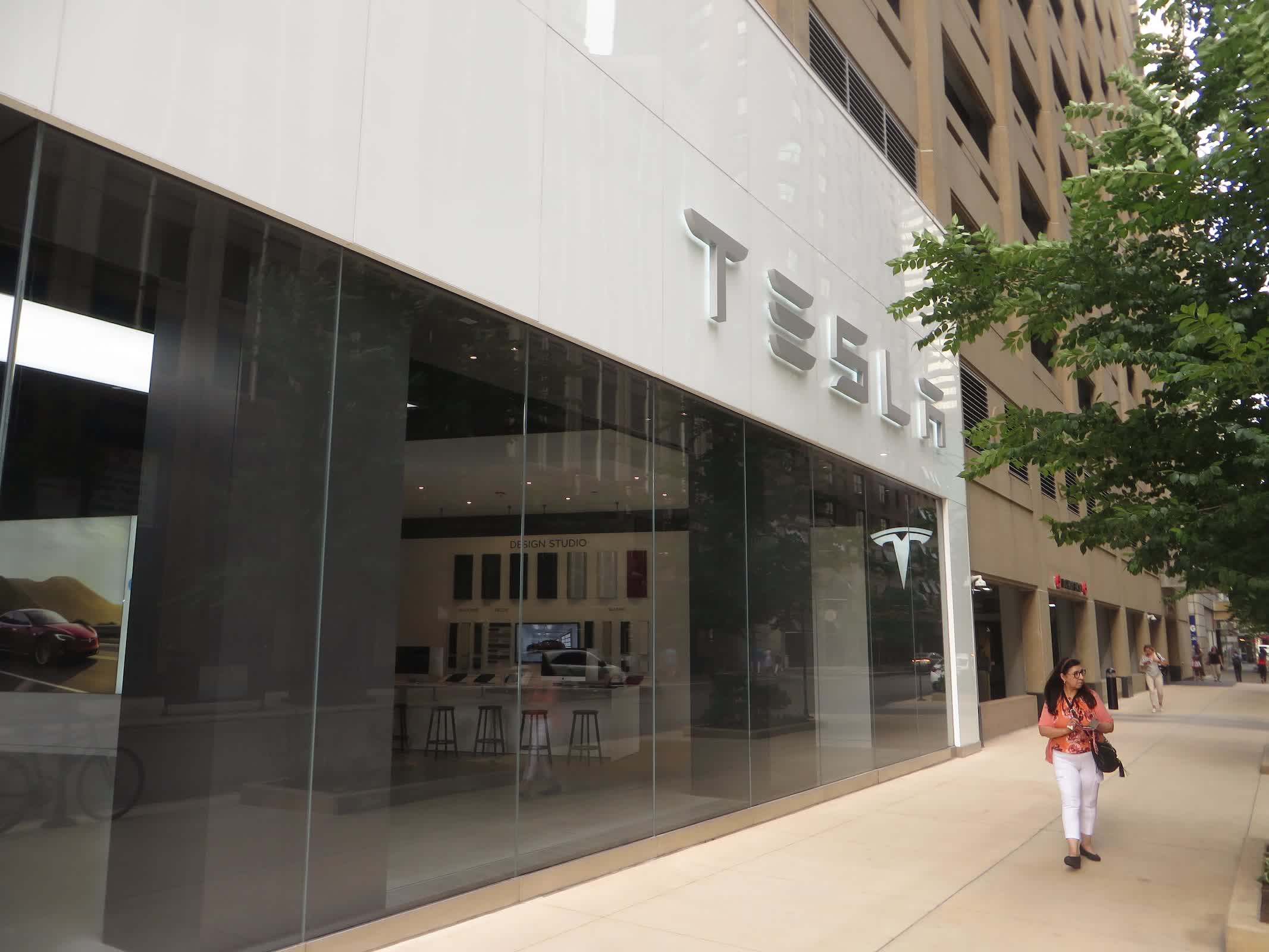
Analysts note that Tesla effectively competes with just two mass-market models in Europe, the Model 3 sedan and Model Y SUV, and only recently rolled out a stripped-down, lower-priced Model Y variant in an effort to reignite demand.
In the United Kingdom alone, more than 150 EV models are on sale from a mix of established and newer brands, including a fast-growing cohort of Chinese manufacturers. EV-buying site Electrifying.com expects at least 50 new electric models to launch next year and says none of them will carry a Tesla badge.
In China, Tesla remains a meaningful player but is losing share in a market that has become the epicenter of global EV competition. The company's deliveries in China fell 35.8% in October, dropping to a three-year low, and are down 8.4% for the year through October. That performance comes against a backdrop of relentless product launches, price cuts, and technology upgrades from domestic manufacturers who have tailored their vehicles to local tastes in cabin design, infotainment, and driver-assistance features, while also moving quickly to reduce battery costs.
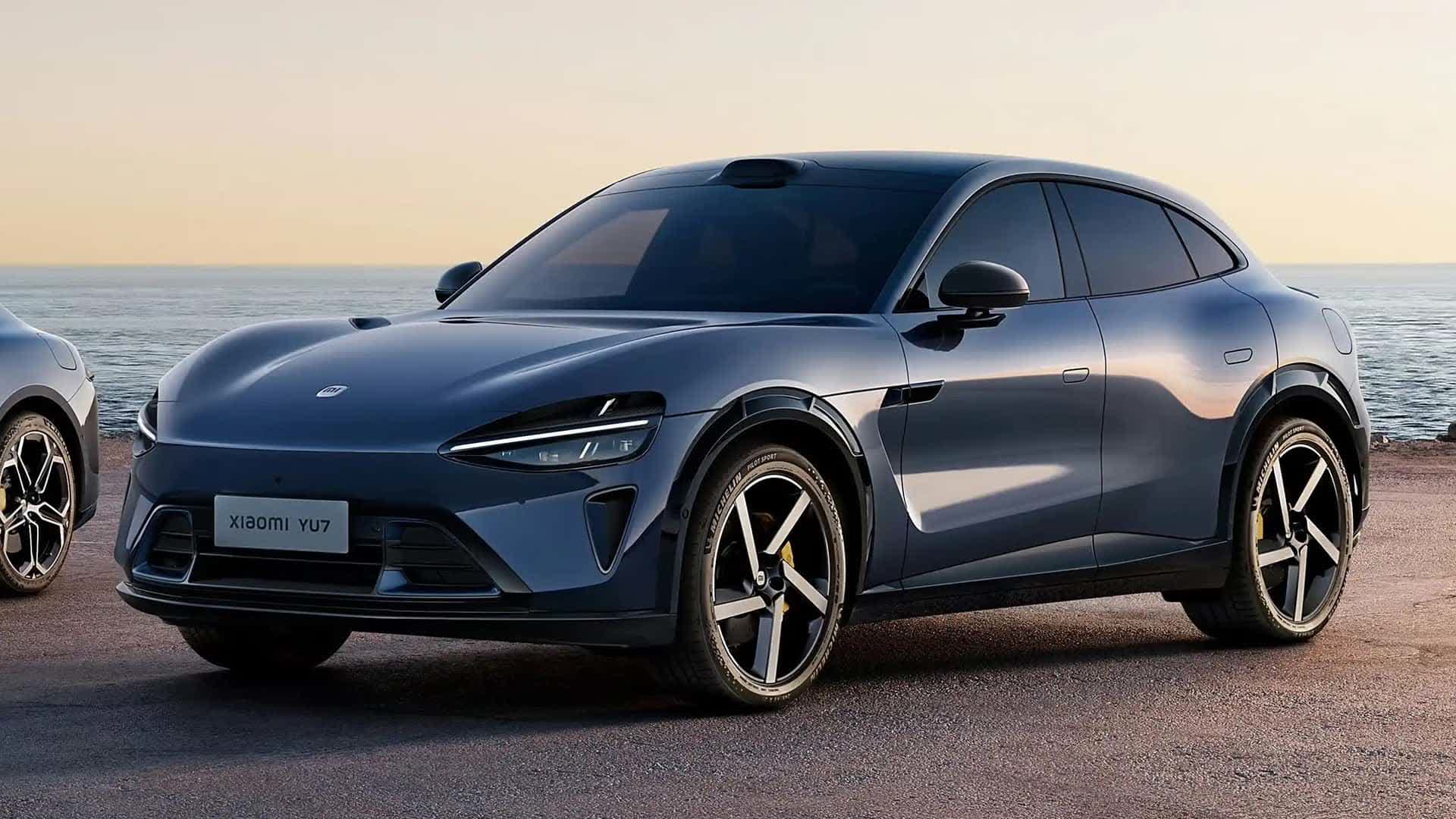
The Xiaomi YU7 is a bold mid-size electric SUV aiming squarely at the heart of the EV market.
Tesla's Model Y faces particular pressure from new entrants such as Xiaomi, whose YU7 crossover has emerged as a direct rival since its June launch. The YU7 targets the same mid-size SUV segment and price bracket. Established Chinese brands such as Chery are also staging comebacks with refreshed EV portfolios.
The United States is also showing signs of strain beneath headline swings. Estimates from research firm Motor Intelligence indicate Tesla's US sales jumped 18% in September as consumers rushed to close purchases before the $7,500 federal EV tax credit expired at the end of the month. A 24% drop immediately followed that spike in October.
Tesla has responded to the slowdown with a series of price moves rather than a major product reset. The company recently introduced cheaper variants of the Model 3 and Model Y, trimming roughly $5,000 from sticker prices in some configurations to make the vehicles more competitive with newer rivals and to compensate for the loss of tax incentives.
Several analysts argue that Tesla needs an all-new vehicle – especially at a lower price point – to re-energize sales and defend share in both Europe and China. So far, there is little concrete evidence that a new mass-market model is close to production.
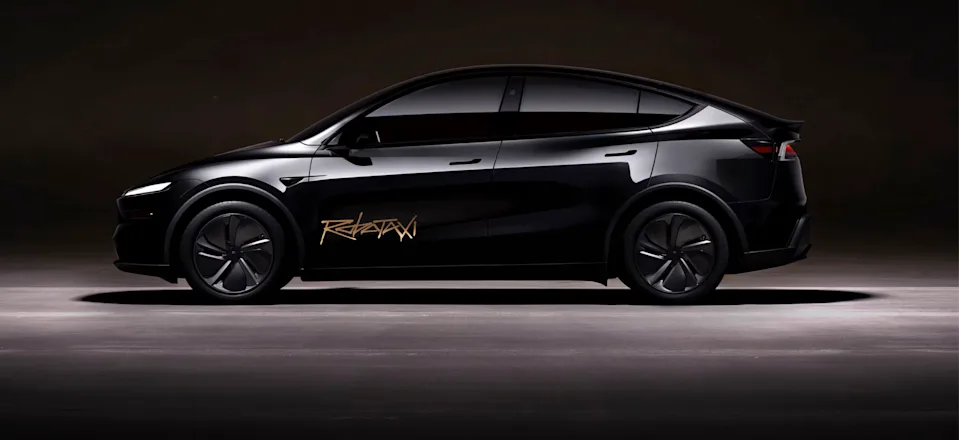
Instead, Musk has repeatedly emphasized a strategic pivot toward autonomous robotaxis and humanoid robots, positioning software and AI-driven services as the company's future growth engines. That focus has raised questions among investors and industry observers about whether Tesla is deprioritizing near-term product cycles in favor of long-horizon bets on full self-driving and robotics.
Tesla did not respond to Reuters' requests for comment on its current sales performance, competitive strategy, or product roadmap. For now, the company that once defined the modern EV category is navigating a market where rivals are cheaper, more numerous, and quicker to refresh their lineups – while Tesla's own future bets on autonomy and robotics have yet to translate into renewed strength on the showroom floor.
Tesla's sales are falling in the US, Europe, and China - and robots won't fix that


