Looking ahead: In a world dominated by glass screens and hard plastic buttons, researchers at the University of Bath are reimagining what it means to touch technology. Their new system, HydroHaptics, lets people physically communicate with soft, flexible materials – like cushions, clothing, or wearable accessories – through presses, squeezes, and twists. In return, these objects respond with lifelike tactile feedback, turning ordinary surfaces into intuitive, responsive interfaces.
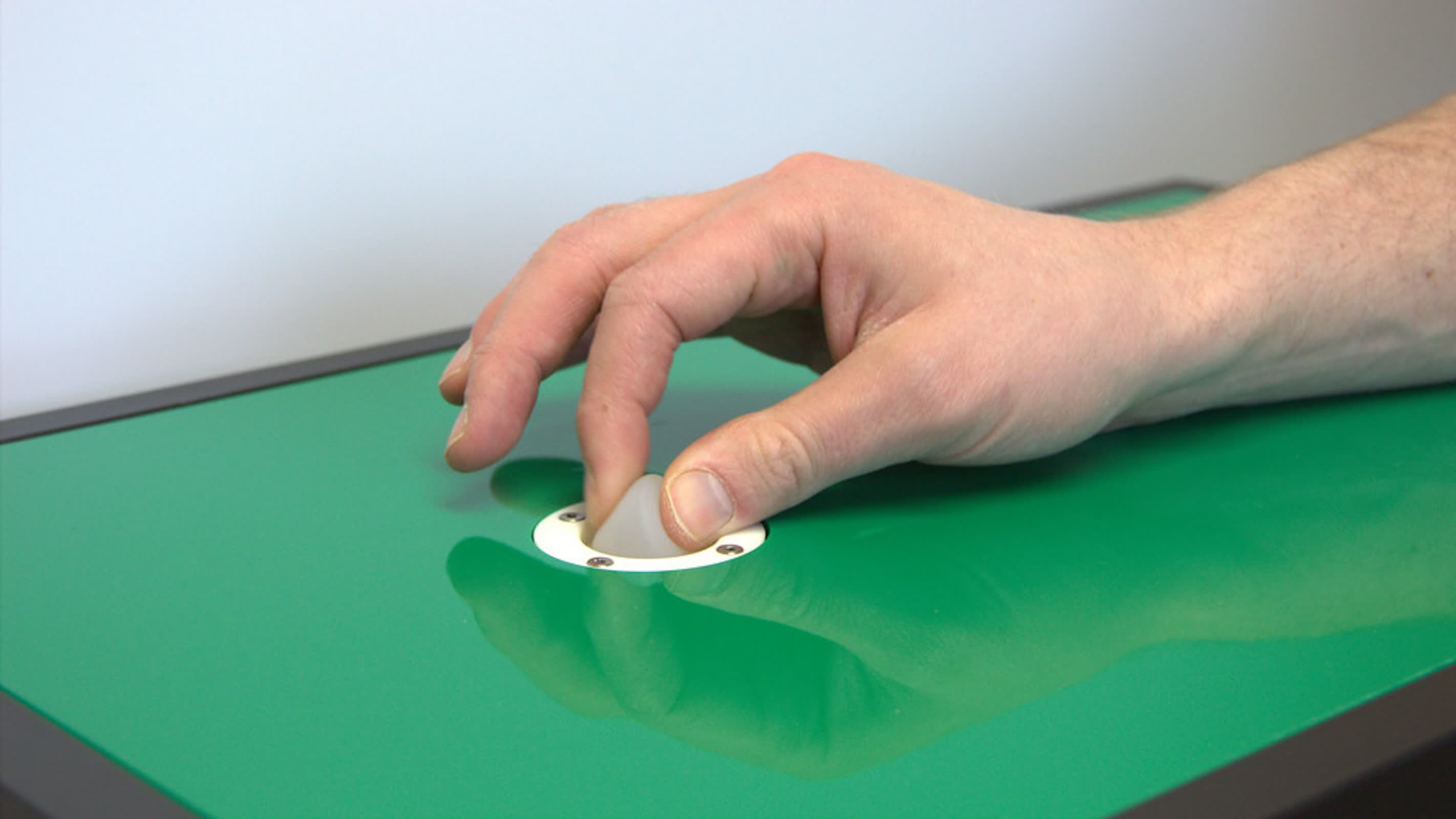
The technology, developed by a team in Bath's Department of Computer Science, was recently presented at the ACM Symposium on User Interface Software and Technology, one of the world's leading conferences for human-computer interaction research. The study, which earned an honorable mention award, demonstrates how digital responsiveness can now coexist with physical softness – a combination that has been difficult to achieve in previous work on haptics.
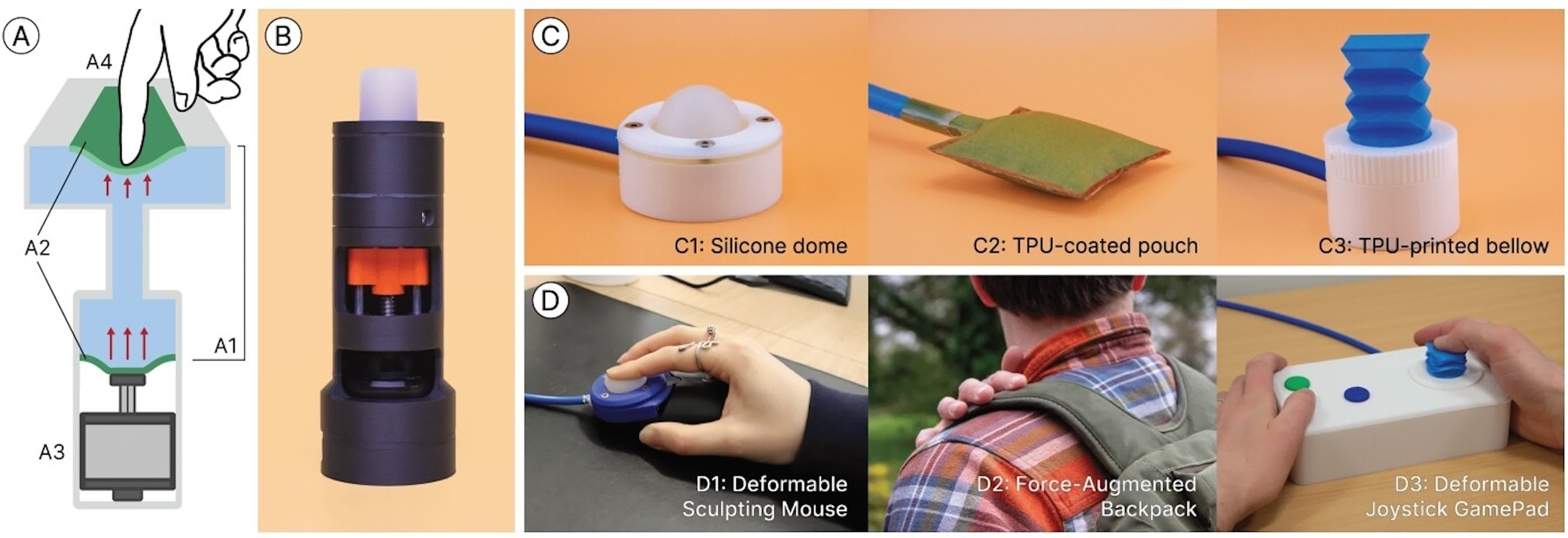
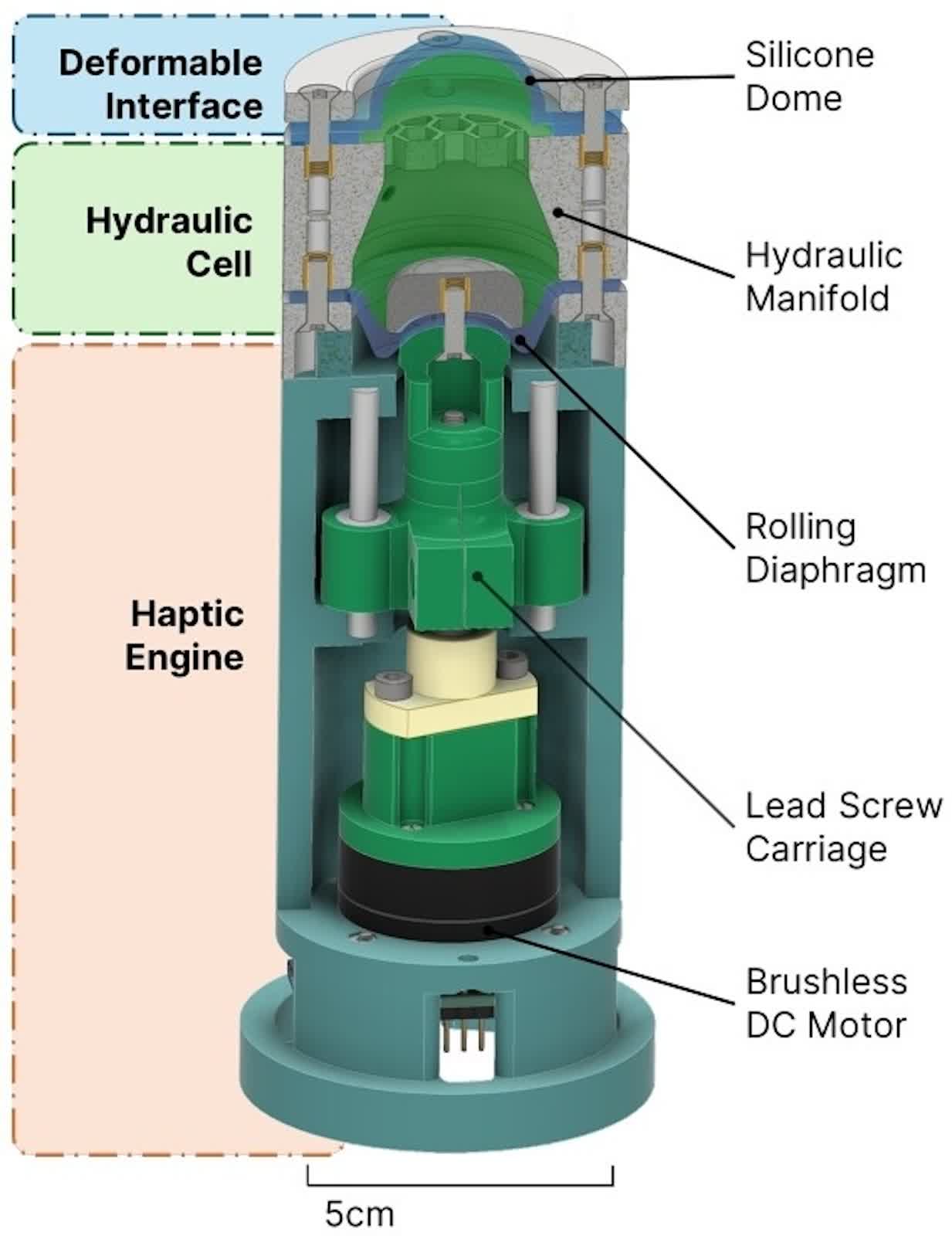
HydroHaptics uses a compact motor linked to a sealed, liquid-filled chamber that transmits tactile sensations through deformable materials. When a user interacts with a HydroHaptic surface, the motor generates vibrations, clicks, or moving resistance that simulate touch feedback.
The liquid chamber transfers these sensations evenly across the surface while preserving its softness and natural shape. This design makes it possible for a flexible object to feel responsive and lifelike without becoming rigid or mechanical in texture.
According to Professor Jason Alexander, who leads the project, the goal was to create a reliable platform for expressive, two-way communication between people and soft materials. Input from the user is detected through the deformation of the object, while the surface itself delivers a haptic response that confirms the action.
"With this system, we can incorporate high-quality haptic feedback in soft deformable interfaces for the first time," Alexander explained. "It opens the door to new forms of interaction that are far more natural than pressing hard buttons or tapping glass screens."
During demonstrations, the researchers embedded HydroHaptics into several common items to illustrate its range of possibilities. A cushion containing a small HydroHaptic pouch could be pressed or squeezed to control smart home devices. A flexible joystick delivered physical feedback that changed dynamically during gaming sessions, creating real sensations of tension or impact.
A backpack integrated with the technology conveyed navigation cues and notifications by applying gentle taps or pressures to the shoulders. A prototype computer mouse with a silicone dome allowed users to sculpt 3D digital objects by manipulating the surface's shape, with its stiffness and resistance changing in real time as the virtual sculpture evolved.
These examples show how HydroHaptics could redefine the role of touch in technology-heavy environments. In wearable computing, for instance, the system could deliver directional signals or alerts discreetly through compressive sensations, reducing reliance on visual or auditory instructions. In design and simulation fields, the high-fidelity feedback could mimic the tactile detail of modeling clay or medical tissue.
Earlier efforts to build deformable interfaces have struggled to balance flexibility with precise feedback. Traditional haptic devices often rely on localized vibration points or stiff mechanical parts that reduce softness and realism. By contrast, the liquid-based transmission developed at Bath enables smooth, distributed sensations across broad surfaces. This gives the system a resolution and scale of response that researchers say surpass what other labs have achieved so far.
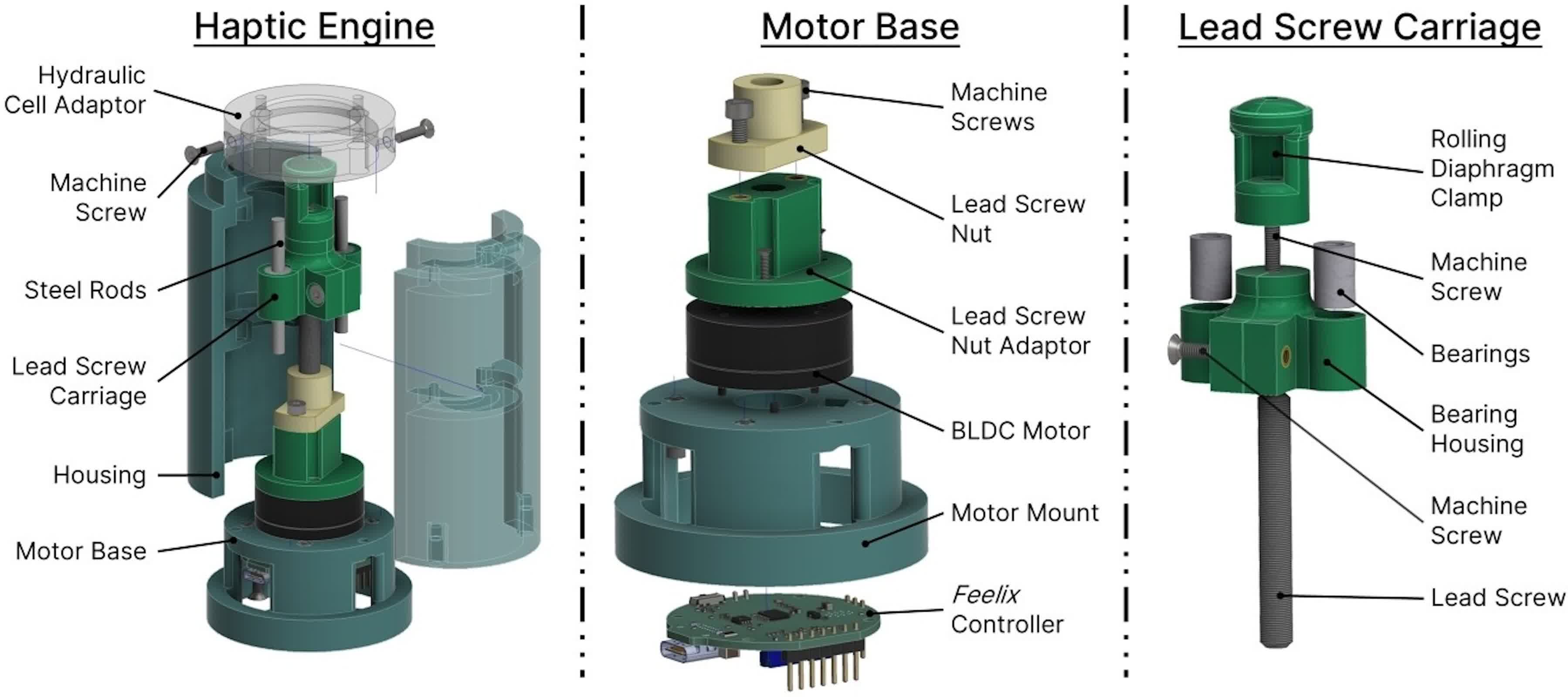
While the concept remains in the research phase, the Bath team sees commercial potential emerging soon. One priority is reducing the size and weight of the haptic engine to make the technology suitable for consumer products. PhD researcher James Nash, a co-lead on the project, noted that the system's responsiveness and tactility make it promising for everyday devices. "The surface remains soft and flexible no matter how you twist or pinch it – that's what sets it apart," he said.
Professor Alexander added that the reception at the UIST conference suggests industry interest is growing. "Given sufficient resources, it wouldn't be unrealistic to see HydroHaptics appear in a product within a couple of years," he said. For now, the work signals a step toward making digital interactions feel more like physical ones – bringing softness, texture and motion into the language of computing.
The future of touch input? HydroHaptics uses fluid-filled chambers for natural, adaptive feedback


