Ripple effect: DRAM prices have surged in recent months, and that spike is set to ripple far beyond memory modules themselves. As the shortage deepens and stretches into 2026, supply chain insiders warn that higher costs will cascade across the PC hardware ecosystem, pushing up prices for graphics cards, high-capacity SSDs, and even traditional hard drives, and ultimately making upgrades and new builds far more expensive for consumers.
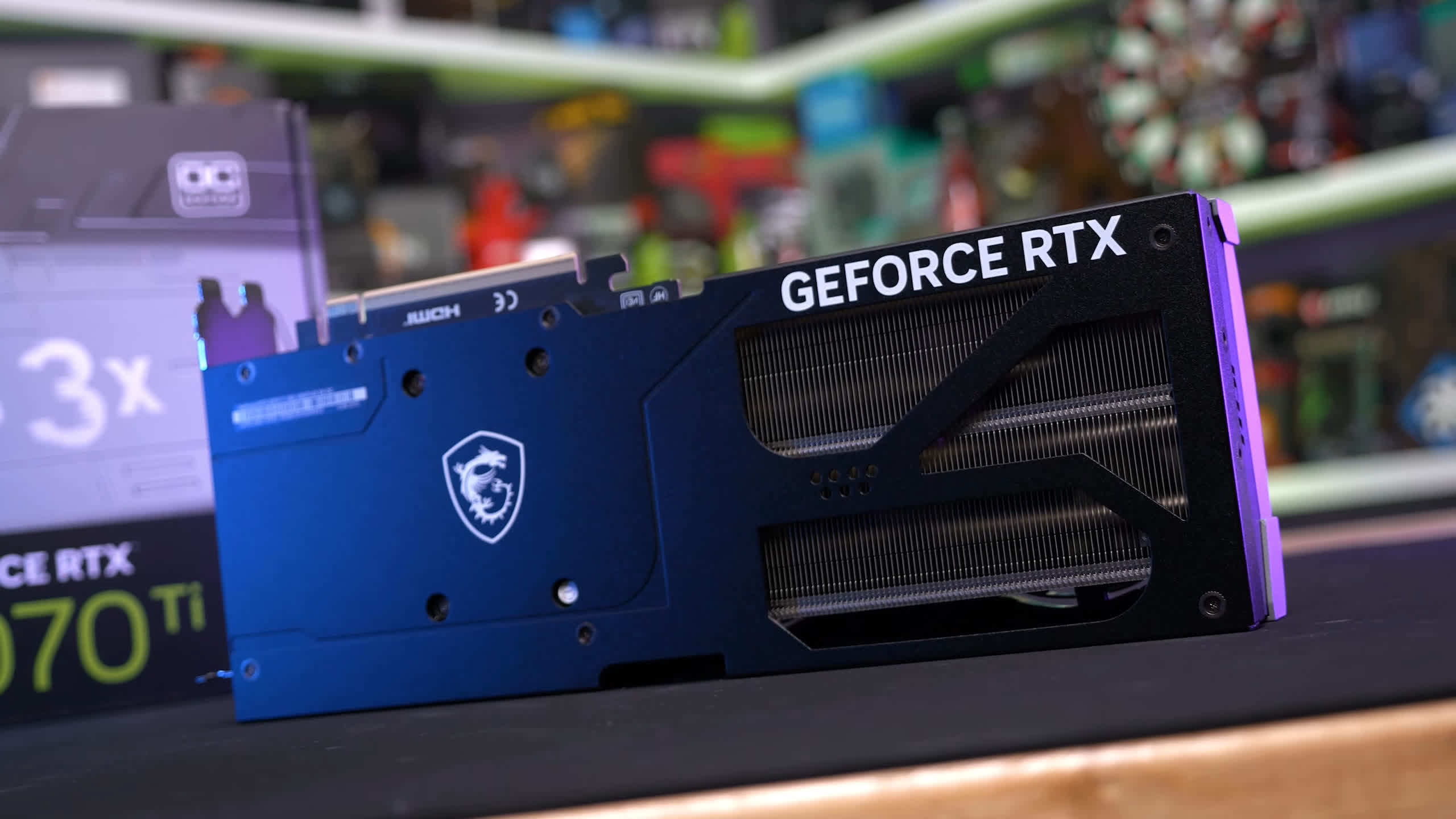
With the DRAM shortage already making memory upgrades prohibitively expensive, high-end SSD prices have also spiked in recent weeks. This surge is being driven by the same market dynamics behind the memory crunch: soaring demand from AI data centers and ongoing global supply chain constraints.
Over the past few weeks, high-capacity M.2 NVMe SSDs have become significantly more expensive, with 500GB, 1TB, and 2TB models among the worst affected. While 2TB WD drives were available for around $230 last year, they are now listed at $370 in retailers like Best Buy – a 60% increase in just a few weeks.
New 2TB Samsung 990 Evo Plus drives, which were selling for around $170 just last month, are currently priced at $440. Some 4TB drives from Silicon Power and Crucial (while they last) are still available for around $350 at Amazon and Best Buy, but given the market trends, they are unlikely to retain those prices for long.
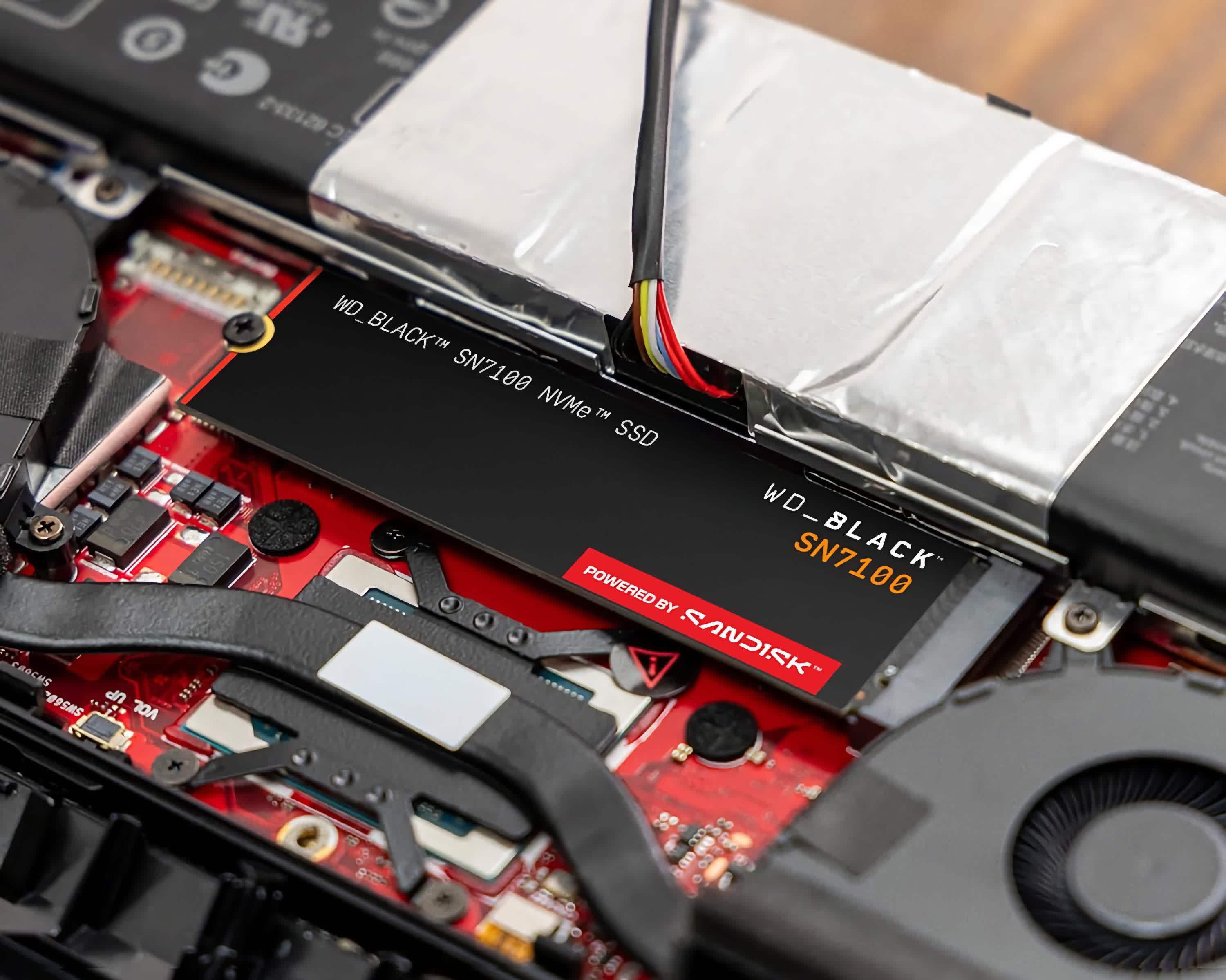
Skyrocketing DRAM and NAND prices are also spilling over into the consumer GPU market. Asus last week indicated it was discontinuing the RTX 5070 Ti, before issuing a half-hearted retraction following a public outcry. The RTX 5070 Ti is currently available from other vendors for around $1,100 – a massive 50% markup over its official $749 MSRP.
Mid-range graphics cards from AMD are also selling well above their MSRPs, with the Radeon RX 9070 XT among the worst affected. The GPU is currently priced at around $750 despite its $599 MSRP. Cheaper models, such as the standard RX 9070, are selling at more reasonable prices, but still above their official MSRP.
The mayhem is also beginning to affect hard drives, especially premium high-capacity models.
A 6TB WD Red NAS drive that sold for around $80 last year is now retailing for $160, while a 12TB IronWolf drive has climbed from $240 to $270 over the same period. Meanwhile, 16TB IronWolf drives have jumped by a more modest 10% in recent weeks, rising from $240 to $260.
Skyrocketing component prices are also affecting the broader consumer electronics market, with smartphones tipped to become more expensive this year. According to Chinese media outlet Jiemian, vendors Xiaomi, Oppo, and Transsion are cutting their output forecasts by around 20% amid reports that global smartphone shipments could decline by 2% this year.