Editor's take: The Recon's impact may be measured less by volume and more by reputation. It marks Jeep's most direct attempt yet to reconcile its off-road heritage with the realities of an electrified future. However, whether enough buyers share that vision remains uncertain.
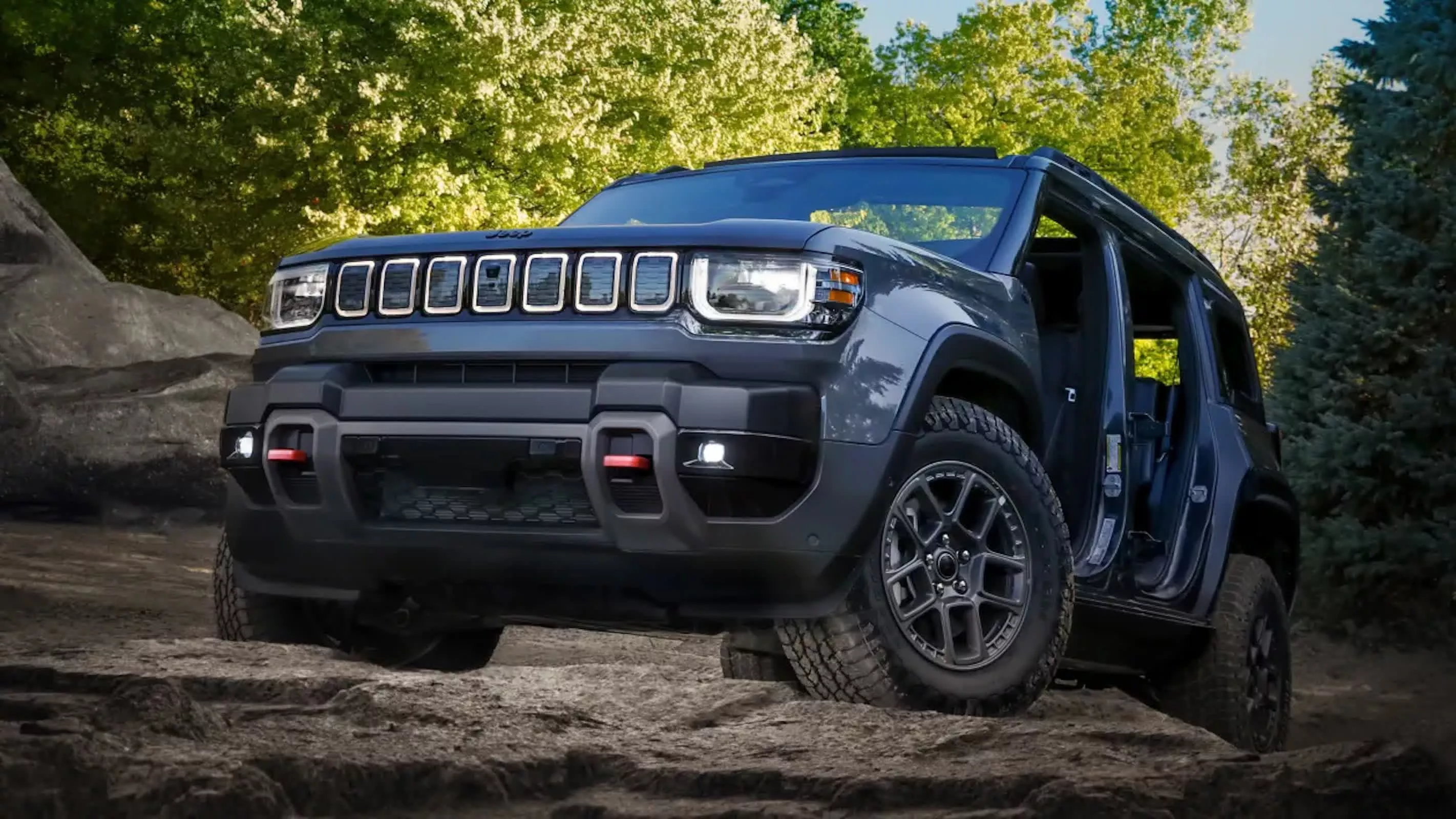
Jeep is pressing ahead with electrification, even as its parent company Stellantis scales back broader EV ambitions. The automaker has officially introduced the 2026 Jeep Recon, an all-electric mid-size SUV inspired by the brand's traditional off-road lineup.
Priced from $65,000 before destination charges, the Recon will enter production next year at Stellantis' Toluca Assembly Plant in Mexico, where it will share space with the Compass, Wagoneer S, and the new hybrid-only Cherokee. Production flexibility at the Toluca plant will allow Stellantis to shift between EVs and higher-volume gasoline or hybrid models depending on demand.
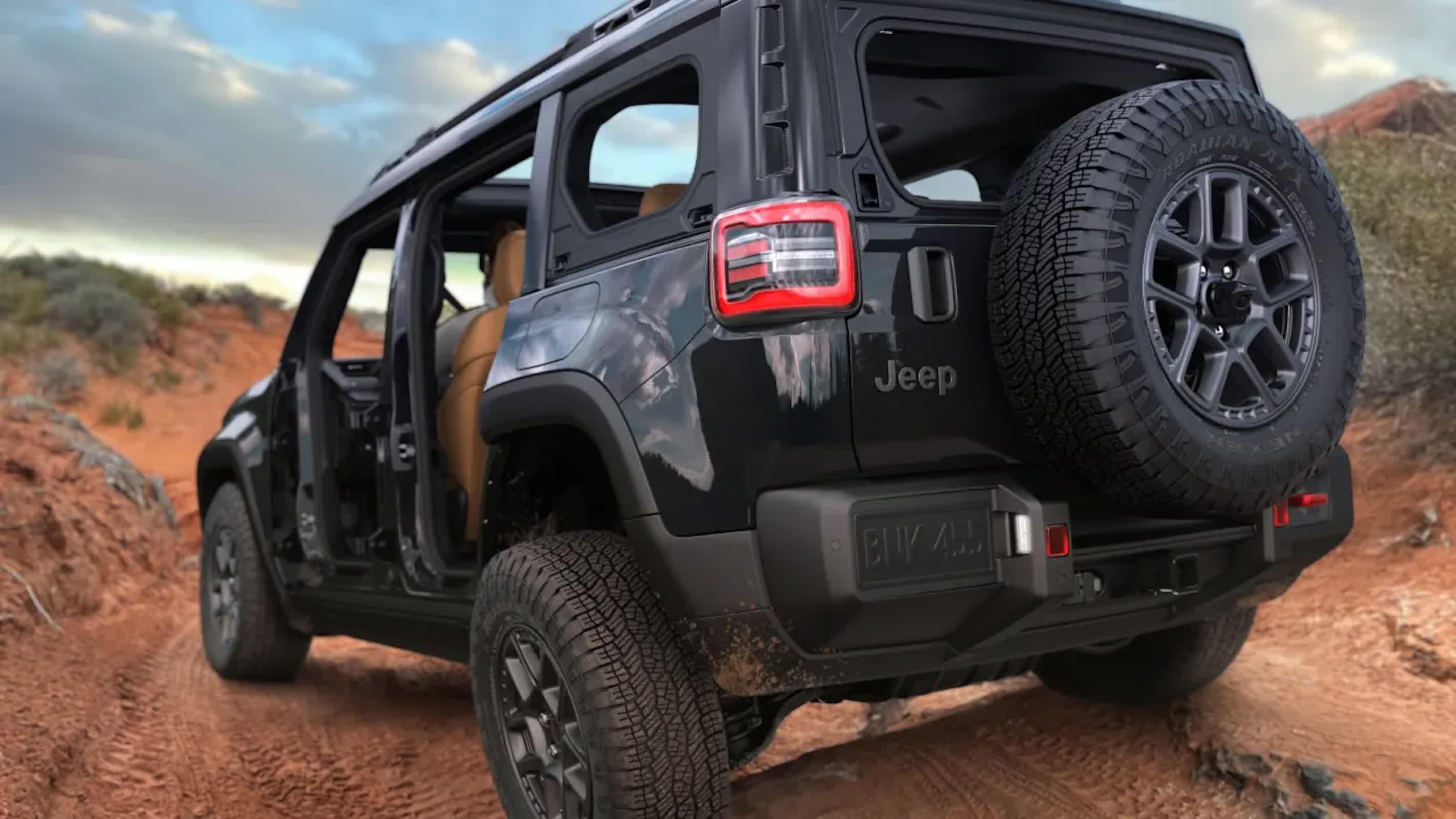
The Recon represents the final piece in Jeep's short-term turnaround strategy – four new vehicles in four months following the latest versions of the Grand Cherokee, Grand Wagoneer, and a hybrid Cherokee. The new SUV revives the rugged, open-air spirit of the Wrangler, with removable doors, a rear-mounted spare tire, and a simple box frame.
Brand CEO Bob Broderdorf described it as an attempt to merge Jeep's off-road hardware with the precision and instant torque of an electric drivetrain.
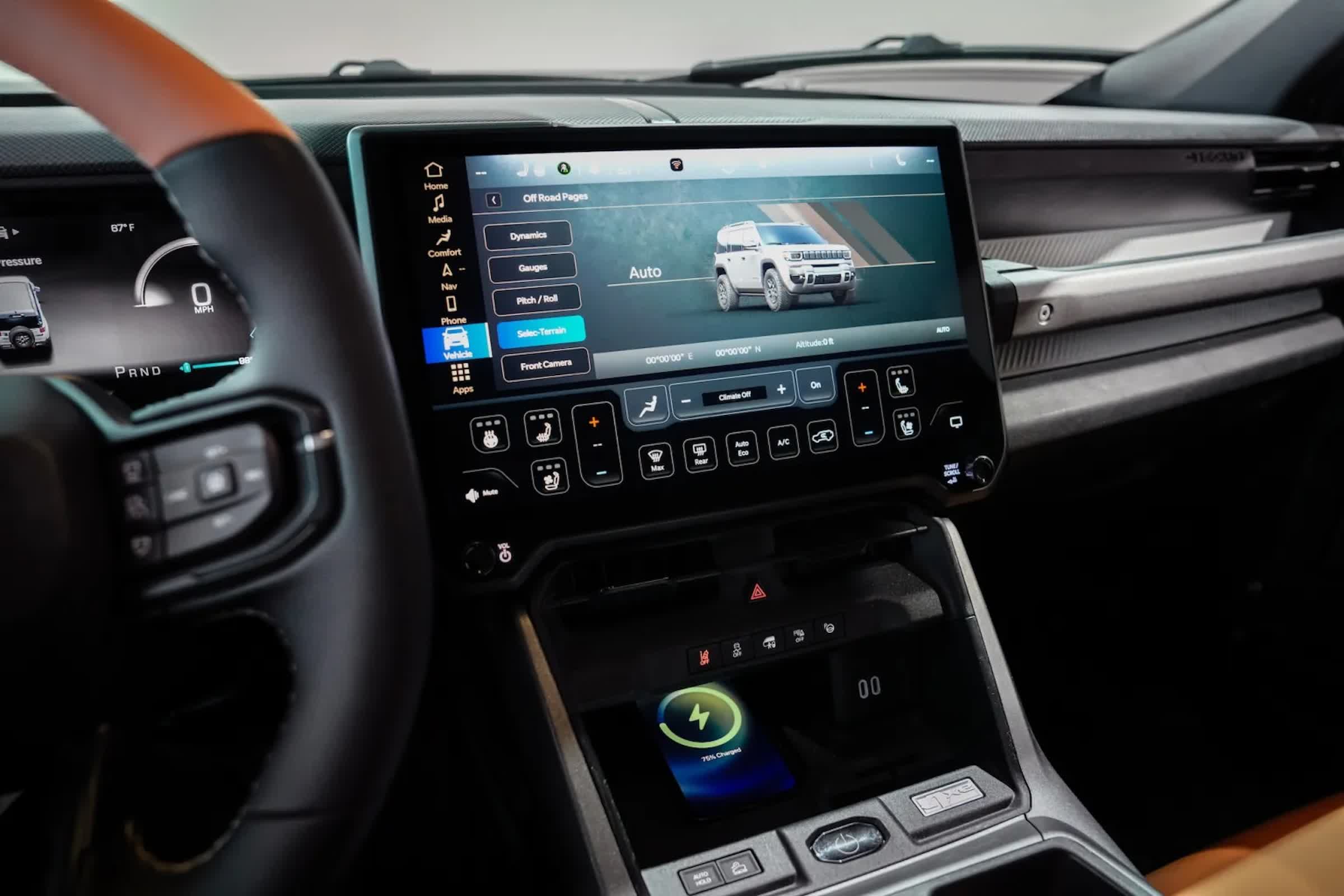
The SUV's electric platform features a dual-motor setup generating 650 horsepower and 620 pound-feet of torque, figures more common in high-end sports cars than in traditional utility vehicles. Powered by a 100-kilowatt-hour battery, the Recon accelerates from zero to 60 miles per hour in 3.6 seconds and offers roughly 250 miles of driving range per charge. That figure falls short of competitors in the same price tier but aligns with Jeep's position that capability, not range, defines its EV path.
Consistent with that mission, the Recon retains the "Trail Rated" credentials associated with the brand's most capable models. Standard equipment includes Jeep's Selec-Terrain traction management system, underbody protection, tow hooks, off-road tires, and an electronic locking differential that evenly distributes torque to both rear wheels for improved traction.
Broderdorf said electrification contributes to off-road control by providing instantaneous torque delivery and improved modulation on uneven terrain.
The Recon's debut comes at a volatile time for the EV market. After several years of aggressive expansion, demand has cooled sharply, particularly in North America, where the expiration of federal tax credits in September contributed to a steep decline in electric vehicle sales.
Stellantis has responded by prioritizing profitability and flexibility over its prior all-electric targets. In October, the company pledged $13 billion in US manufacturing investment over four years but did not center that effort on EV production.
For Jeep, the decision to move ahead with Recon despite those headwinds signals confidence in niche consumer appetite for off-road EVs. Broderdorf emphasized that the Recon is designed as a complement to the battery-electric Wagoneer S, which recently reached dealerships, rather than as a mass-market entry. "I'm not going to chase volume just to chase volume," he said during a media call. "Everybody who wants a battery-electric vehicle – Recon – I want to make sure that we're there for them."
The Recon will initially launch in the US and Canada before expanding to other markets. While Jeep has announced it will adopt the North American Charging Standard across select EVs, the Recon will require an adapter to use Tesla's Supercharger network.
Jeep is under pressure to stabilize its sales following a years-long decline. From its 2018 peak of roughly 973,000 units in the US, the brand's volume has dropped nearly 40%, and its market share has fallen from 5.4% in 2019 to just under 4% last year. Through the third quarter of 2025, sales were up less than one percent year-over-year – a faint improvement after several years of contraction.
The new Jeep Recon EV places off-road capability ahead of range