Thief: The Dark Project remaster brings 1998 stealth classic to modern hardware

Alfonso Maruccia

Posts: 2,610   +978
Staff
Sneaky: Initially released in 1998, Thief is considered a landmark video game, particularly for the PC gaming industry. The Windows-exclusive title was groundbreaking in many ways and is now set to introduce a whole new generation of players to its pioneering first-person stealth gameplay.
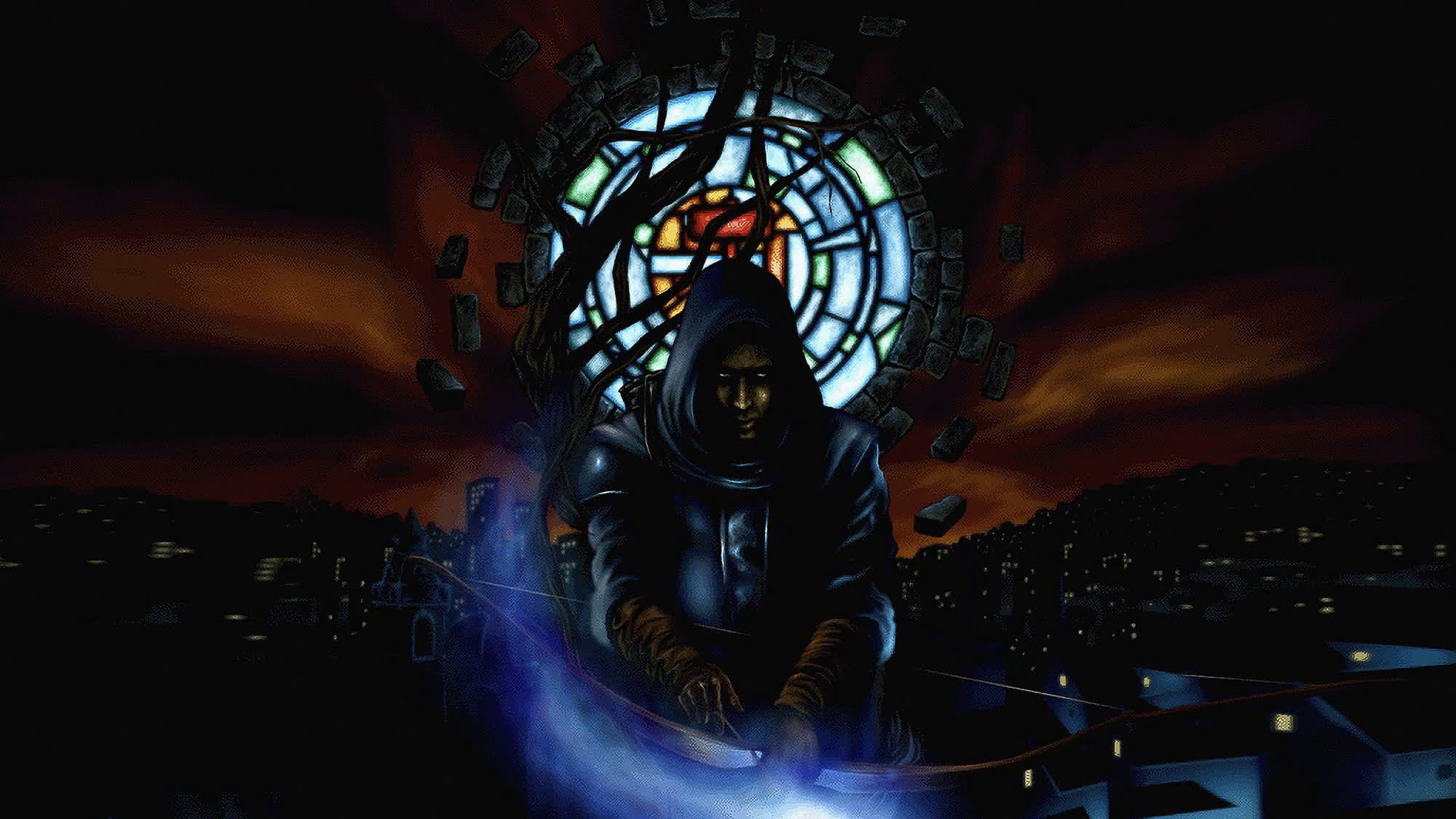
Remake specialists at Nightdive Studios are working on yet another classic PC title. Thief: The Dark Project Remastered is a modern take on the groundbreaking 1998 stealth classic developed by Looking Glass Studios. The remaster is designed to preserve the original experience while updating the visuals for modern players.

Nightdive unveiled the project during the recent PC Gaming Show digital showcase. The studio highlighted the innovative gameplay that made Thief stand out in the late 90s, when most first-person games focused on shooting and direct combat. Instead, Thief challenged players to navigate carefully crafted environments, relying on stealth, timing, and observation rather than brute force to complete missions.

Thief played a pivotal role in popularizing the stealth genre and cast a long shadow over immersive sims and later stealth franchises such as Tom Clancy's Splinter Cell and Hitman. It was also the first game to successfully make environmental lighting and sound central gameplay mechanics, using sophisticated AI systems to create dynamic, emergent gameplay.

Like previous Nightdive remasters, Thief: The Dark Project Remastered will use the company's KEX Engine to faithfully recreate the game's stealth gameplay. The remaster will include the original missions, along with the additional content released in the 1999 Thief Gold edition.

According to the game's Steam page, Thief Remastered should not require particularly modern hardware to run. As with System Shock 2 and other restored classics, Nightdive appears to be taking a conservative approach to updating the Looking Glass Studios original.

At the same time, the remaster is expected to include features modern players now take for granted. These include support for 4K resolution and high frame rates (up to 120 FPS), controller support, and improved textures, 3D models, and animations.

While the original Thief was released exclusively on PC, added controller support should also make it more accessible on modern consoles. The series continued with two sequels – Thief II: The Metal Age in 2000 and Thief: Deadly Shadows in 2004 – while Eidos-Montréal attempted a reboot in 2014 with Thief, which received mixed reviews.

Permalink to story:

 
Well I'm looking forward to this. I'm being sentimental I know but I'd really love to revisit this old classic.
 
What's the point of these "remasters" that look almost identical to to the original? That's not "conservative", that's "lazy".

- Remaster: Original game graphics/mechanics but cleaned up code for compatibility with modern systems and screen resolutions/inputs/etc. (Thief, System Shock 2, etc)

Remake: Brand new game on brand new engine with brand new graphics and heavily modified gameplay that retells the same story told in the original. (Black Flag, Oblivion, RE2/3/4 etc).

Know the difference.
 
What's the point of these "remasters" that look almost identical to to the original? That's not "conservative", that's "lazy".

I won't call them "almost identical". They look close to what the game was, but more the way you remember the game than the actual way it looked. They clean up things, add detail, add lighting, ... The game is immediately recognisable to fans who enjoyed it back in the day, yet a step up from what it was.

The point is of course to provide a way for fans of the original to play the game again on modern systems, while providing some quality of life. Preserving the nostalgia without all the technical limitations of the original.
 
What's the point of these "remasters" that look almost identical to to the original? That's not "conservative", that's "lazy".
The point is it working properly on my ultrawide monitor - which were invented after this game was created.

The point is making the game run on modern hardware while staying true to the original. Remakes are what you are thinking of.
 
I've got my original copy of the game that I got running some time ago. It was one of my favorite games when it came out, I played through it multiple times. To be honest, the original game looks just awful today which makes it hard to play because of the aged graphics that haven't aged well.

Nostalgia is a *****, isn't it? I remember the game looking slick as hell back then, using the shadows to hide, sneak up on guards hoping they don't spot you or turn around, learning to be patient and actually scouting the area before making your next big move and trying to decide where your various arrows can be used the most efficiently since they're limited. But when I try to play the game today, it's an eye sore - that's being generous - and I just can't get myself to play it.

This remaster keeps the look, but has updated meshes and improved lighting. I may have to get this a try if it shows up on GoG and isn't horribly priced.
 
I like the premise and mechanics, but I'm no fan of zombies. Putting zombies in the games distracted my experience of actual thievery with humans in the games.
 
- Remaster: Original game graphics/mechanics but cleaned up code for compatibility with modern systems and screen resolutions/inputs/etc. (Thief, System Shock 2, etc)

Remake: Brand new game on brand new engine with brand new graphics and heavily modified gameplay that retells the same story told in the original. (Black Flag, Oblivion, RE2/3/4 etc).

Know the difference.

A Remaster can have improved graphics/textures, code, QoL improvements, too.

There is good and lazy Remasters.

This looks mostly like a quick cash grab.
 
The original Thief runs fine on modern hardware with a basic mod to allow widescreen and high resolutions. The core gameplay doesn't require any of the new features being offered so this is basically just an asset pack that nobody really asked for. After the dubious 2014 effort, a full remake/reimagining of the first two games would be very welcome indeed, but this is an answer to a question nobody asked. This is Nightdive just working through their wishlist of things to tinker with for fun and maybe snag a few bucks for.
 
Looks like a cheap cash grab, the original definitive edition is absolutely inexpensive at GoG (no drm), and plays just fine, and for those that want some more there is The Dark Mod.

I've been messing around with The Dark Mod for a while now. Makes a nice change to play summat where you're not constantly blasting away at anything that appears anywhere near you...

Works fine under Linux. I've turned the entire thing into a "portable" app for the 'Puppy' Linux community.

Miq.
 
- Remaster: Original game graphics/mechanics but cleaned up code for compatibility with modern systems and screen resolutions/inputs/etc. (Thief, System Shock 2, etc)

Remake: Brand new game on brand new engine with brand new graphics and heavily modified gameplay that retells the same story told in the original. (Black Flag, Oblivion, RE2/3/4 etc).

Know the difference.

Nope, you're using a made-up definition you just pulled out of your arse, and also exaggerating the difference.

A remaster is a change in the sound or image quality of previously created forms of media, whether audiophonic, cinematic, or videographic.

Remastering a video game is more difficult than remastering a film or music recording because the video game's graphics show their age, even when the source code is used. This can be due to a number of factors, notably lower resolutions and less complicated rendering engines at the time of release. A video game remaster typically has ambience and design updated to the capabilities of a more powerful console, while a video game remake is also updated but with recreated models.

Modern computer monitors and high-definition televisions tend to have higher display resolutions and different aspect ratios than the monitors/televisions available when the video game was released. Because of this, classic games that are remastered typically have their graphics re-rendered at higher resolutions.

Code clean up has literally nothing to do with a remaster being a remaster or not. It may be a side effect at best. Often they don't even use the original code, mostly because it's been lost for decades. Code clean up is never the *goal* of a remaster, that's as ridiculous of a statement as it gets. You're just trying to come up with random unrelated stuff to pretend a remaster isn't about visuals. But it really is, anything else is just a nice bonus.

Take a look at the Halo MCC. Or CTR NF. Or D2R. Now THAT is a remaster. This... is just a bunch of lazy sprite upscales.
 
Nah, hard pass. I loved like OG Thief games but these Nightdive remasters are just not for me. I would be interested in remakes but I just don't pine over old hardware or software.
 
Nope, you're using a made-up definition you just pulled out of your arse, and also exaggerating the difference.

- You'll find you're the odd man out on this argument, but you do you.

Musicians have been "remastering" their albums for ages as new sound tech became available, and it always meant taking the source music (the master) and running it through updated equipment for a new sound. It has never meant get the whole band back in the studio and play/re-record the song from scratch.
 
What's the point of these "remasters" that look almost identical to to the original? That's not "conservative", that's "lazy".
At what point would said remaster not look lazy? Still same game? Looking Glass Studios games were never about looks (game engine cutscenes exception), but instead about patience and sounds. Never about DOOM-style run&gun but limits; most famous player Lytha, she would complete on hardest setting using no items & zero kills/knockouts. If you don’t like, don’t play or pay.
 
Back