In a nutshell: For the growing community of at-home hardware tinkerers, a new project offers a striking example of how low-cost components and open-source collaboration are closing the gap between consumer-grade and experimental VR technology. A YouTuber known as CNCDan has built a fully functional VR headset for under $150, using off-the-shelf parts, a 3D printer, and open-source software, showcasing just how far do-it-yourself hardware design has come.
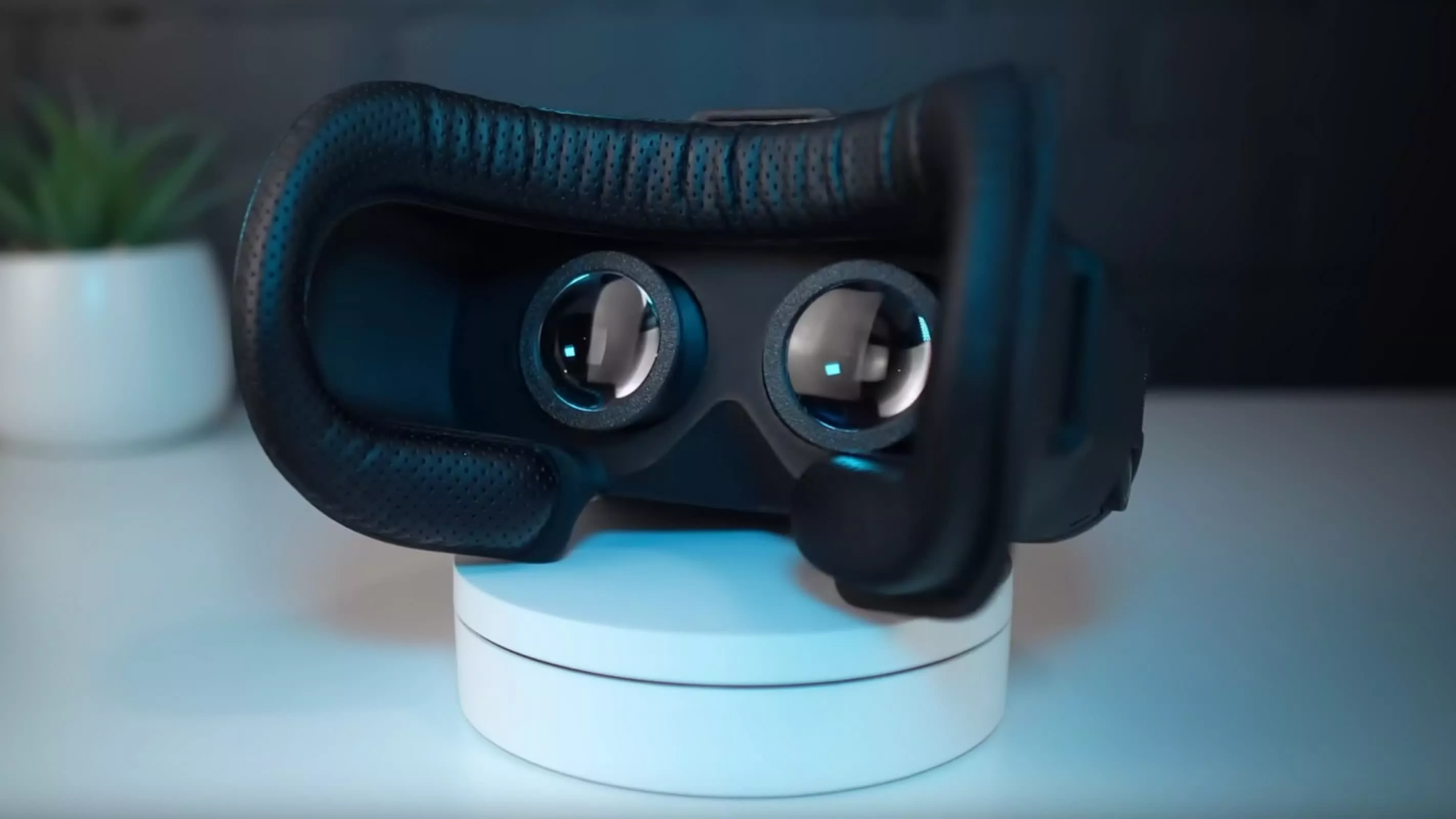
Unlike consumer headsets from major companies such as Meta or HTC, CNCDan's project relies on inexpensive components sourced primarily from online marketplaces like AliExpress. The frame and internal mountings are 3D-printed with design tweaks aimed at minimizing internal reflections, a common issue that can blur or distort VR imagery.
Inside the casing, two 2.9-inch displays deliver a combined resolution of 2,880 × 1,440 pixels. Each screen can be independently adjusted for interpupillary distance, improving visual alignment and reducing eye strain. The lenses, repurposed from the Google Cardboard platform, maintain a short 4.5-millimeter focal distance, helping keep the overall form factor compact.
The system uses a GY-9250 sensor to track motion, capturing orientation data such as roll, pitch, and tilt. This data is processed by an Arduino Pro Micro, a lightweight microcontroller that manages communication between the sensors and the computer. To simplify assembly, CNCDan designed a custom circuit board to organize wiring and ensure stable connections.
For software, the headset interfaces with Relativity VR, a free platform that enables compatibility with SteamVR. Through this integration, users can run racing simulations or other immersive experiences designed for virtual reality systems.
According to CNCDan, the displays can refresh at 90 hertz, though this drops to 60 hertz when operating at full resolution via SteamVR, resulting in slightly less fluid visuals. Even with this limitation, the frame rate remains sufficient for most racing or simulation titles.
What this open-source project lacks in premium features, such as precise hand tracking or integrated eye movement detection, it makes up for in accessibility and customizability. CNCDan expects DIY developers to adapt the design for specific use cases, experimenting with different sensors, optics, or display panels to create tailored VR hardware.
All files, circuit diagrams, and 3D printing models are available on GitHub.
This $150 homemade VR headset shows how far open-source hardware has come


