
What just happened? Mark Zuckerberg unveiled a range of new tech at Meta Connect this year, including the $300 Quest 3S VR headset. However, the real highlight was arguably Project Orion – a pair of AR smart glasses capable of projecting holograms directly into your field of vision using advanced display technology.

Many companies have attempted to create AR glasses, but the results have often been either tethered by cables or awkwardly designed. Meta's approach with Project Orion stands out because it avoids both of these issues.
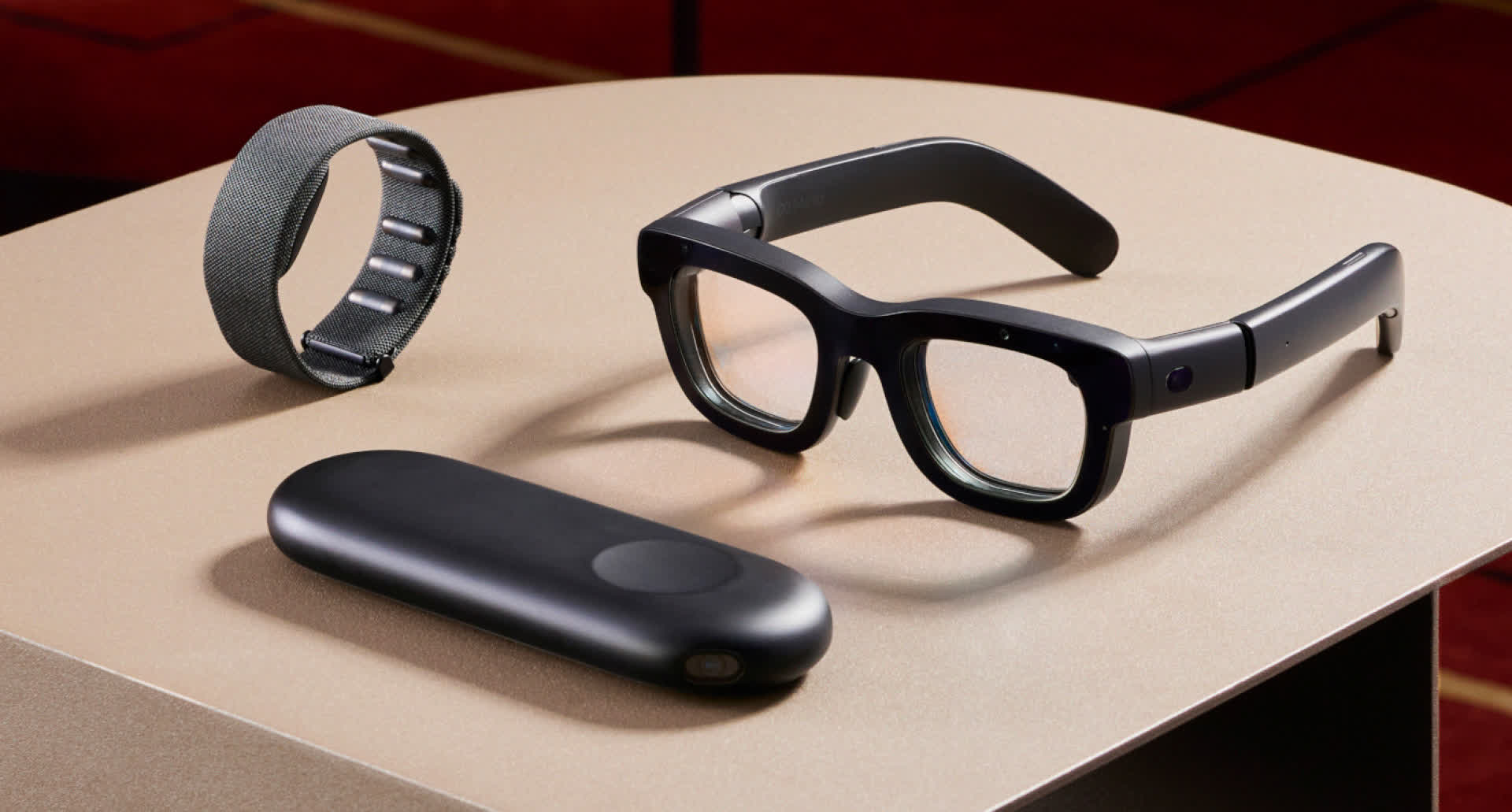
Despite all the cutting-edge technology packed into the frame, these hologram-generating glasses almost resemble regular eyewear, bearing a striking similarity to Meta's Ray-Bans.
Speaking of tech, the Orion glasses pack a host of features like eye-tracking, hand-tracking, voice controls, and even a neural interface – although it reads signals from your wrist rather than your brain. The glasses also come with a wireless compute puck that resembles a sleek power bank. While they don't require a laptop or phone to operate, the puck must be within a few feet for them to function, meaning you'll likely need to carry it in your pocket.
In terms of functionality, the glasses use silicon carbide – an expensive refractive material – rather than standard glass or plastic for the lenses. Tiny projectors embedded in the arms of the glasses beam light into the lenses, allowing for crisp 3D visuals overlaid onto the real world.
Several publications tested the advanced hardware at the event. CNBC said the holograms "felt totally normal and very natural," thanks to the high-quality displays. The reporter was able to control apps and scroll through content by simply moving her wrist, thanks to the neural interface wristband.
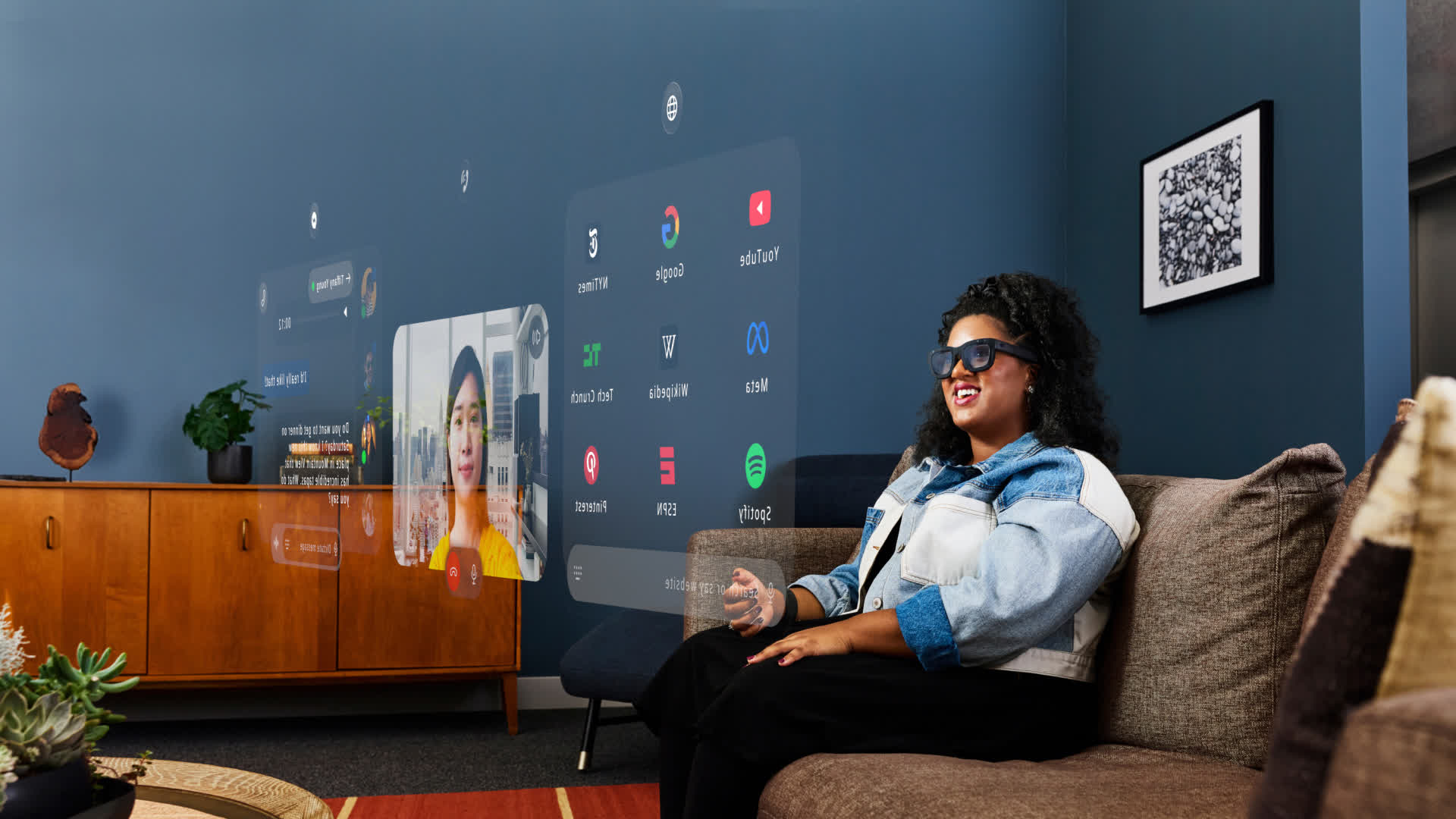
The Verge's hands-on review also praised Orion's surprisingly high image quality for such compact AR glasses, noting that video calls appeared "crisp enough to feel engaging."
Even Nvidia CEO Jensen Huang, renowned for his AI advocacy, got a chance to try Orion, enthusiastically stating, "This is a big deal... The head tracking is good, the brightness is good, the color contrast is good, field of view is excellent."

ð¨NVIDIA'S JENSEN HUANG TESTS AND APPROVES META ORION GLASSES
– Mario Nawfal (@MarioNawfal) September 25, 2024
Meta Platforms unveiled its Orion holographic glasses at the Connect event, offering features like browsing and messaging with a sleek, less bulky design compared to Apple's Vision Pro.
NVIDIA's CEO, Jensen Huang,… pic.twitter.com/qdYsoCIPA0
With a wide 70-degree field of view that surpasses many other similar glasses on the market, approximately two hours of battery life, and a plethora of features, these glasses could be a game-changer for augmented reality – if Meta can pull it off.
However, as impressive as Orion may appear and sound, Meta has admitted that this specific model will never reach the consumer market. It is an internal R&D device intended to inform the design of the company's future commercial augmented reality glasses.
Nonetheless, Meta asserts that Orion is "one of the most polished product prototypes" it has ever developed and is "truly representative of something that could ship to consumers."
"This is a big deal": Jensen Huang tries out Meta's new Orion AR glasses


