Those cheap Windows and Office keys might come from a federal crime

midian182

Posts: 11,718   +177
Staff member
In brief: If you've ever stumbled across "legit" Windows and Office keys being sold in bulk for suspiciously low prices, federal prosecutors just provided a pretty good look at how that gray-market pipeline works. They've also shown why those cheap listings on marketplaces and key sites can come with real legal and practical consequences.
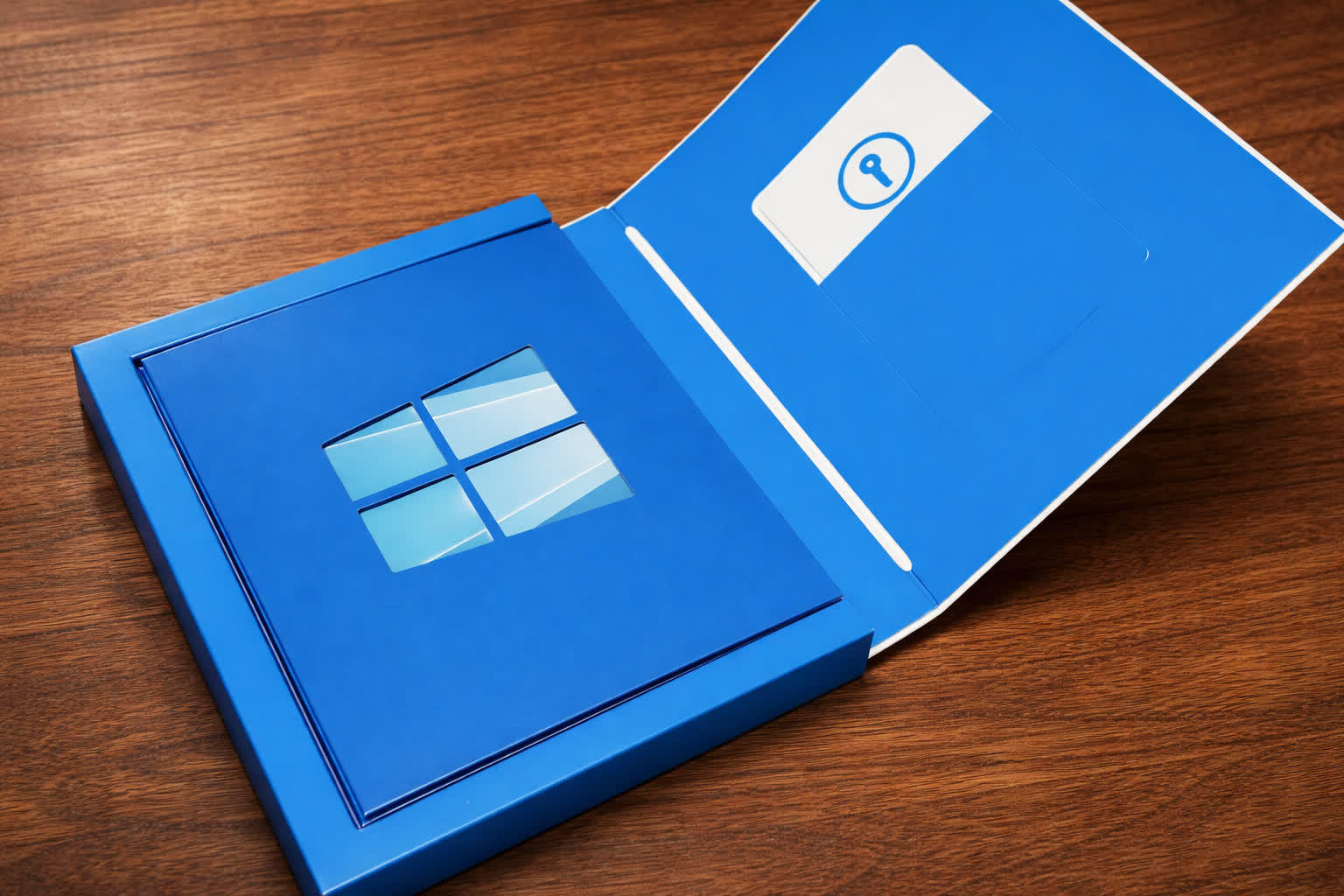
The US Department of Justice says 52-year-old Heidi Richards of Brandon, Florida, who ran Trinity Software Distribution, has been sentenced to 22 months in federal prison after a jury found her guilty of conspiring to traffic in illicit Microsoft Certificates of Authenticity (COA) labels. The court also ordered a $50,000 fine.

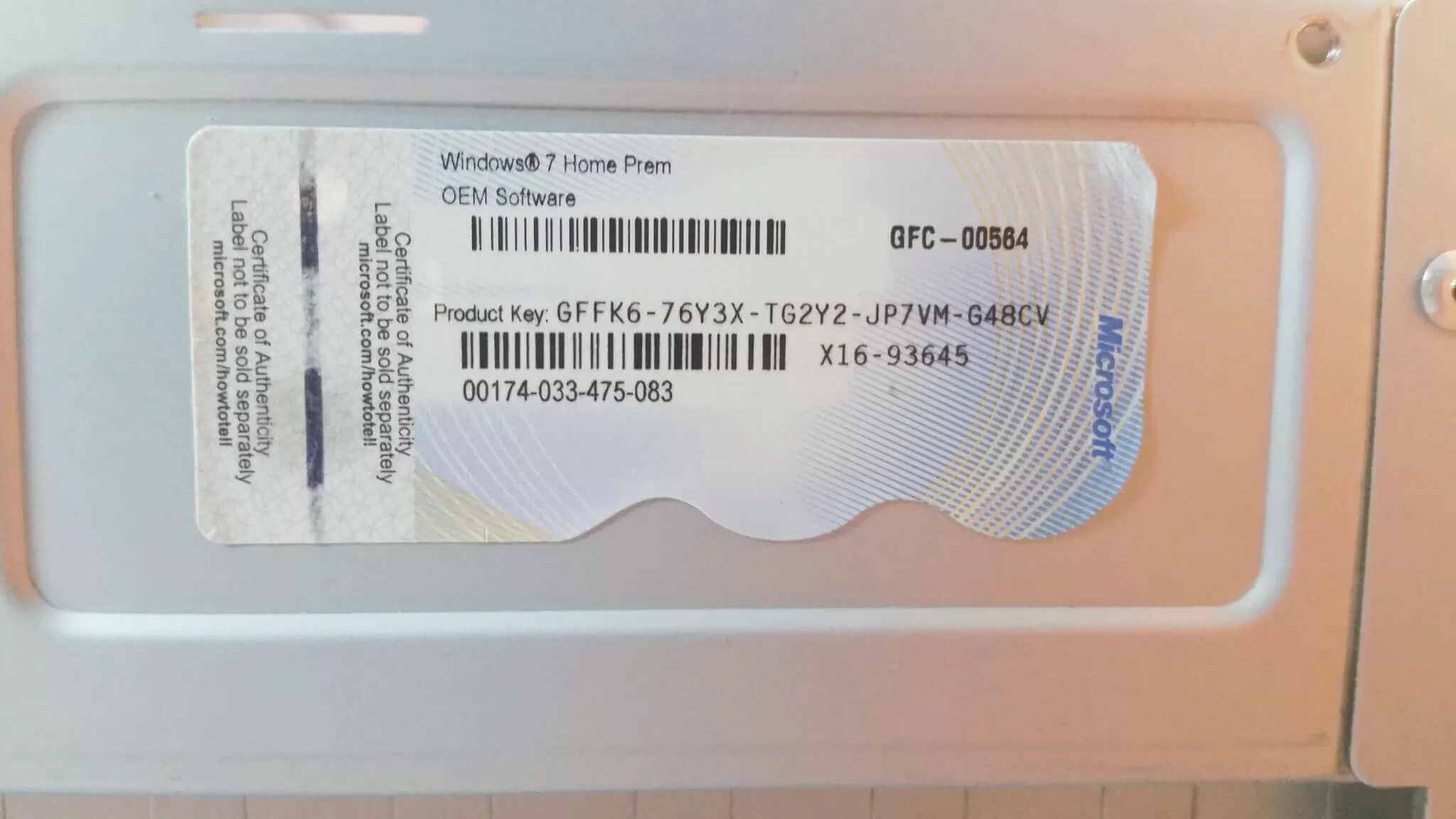
COA labels are those small "genuine" stickers meant to accompany licensed software and, in many cases, the hardware it ships with.

The DOJ notes they're not supposed to be sold as standalone items; federal law prohibits trafficking COAs separated from the software programs they were intended to accompany, and the labels "hold no independent commercial value."

The black market doesn't care about that sort of thing, of course, because COAs still carry product key codes that can activate Windows or Office.
Richards and accomplices paid $5 million to purchase tens of thousands of genuine Windows 10 and Microsoft Office COA labels from a Texas-based supplier between July 2018 and January 2023.

Rather than distributing them as required, prosecutors said Richards had employees manually harvest the activation codes and transcribe them into Excel spreadsheets. Those keys were then sold in bulk to customers worldwide. The haul included keys for Windows 10 Home/Pro and multiple Office editions, including 2019, 2021, Home, and Student.

While COAs aren't meant to be separated, they're attractive targets because they can be monetized even without the original package.

The Register notes that since 2016, product keys on COAs have been concealed under scratch-off material to make casual key harvesting harder. And as software distribution keeps shifting online, Office activation has increasingly moved to digital flows tied to a Microsoft account, reducing the value of physical stickers – at least in theory.

The case is a reminder that a "genuine" sticker isn't the same thing as a legitimate license – especially when it's been peeled off the thing it was supposed to certify.

Editor's note: As mentioned in the comments, the TechSpot Store offers discounted licenses for both Windows and Microsoft Office. Our offerings are Microsoft sanctioned and go through an official distributor.

Permalink to story:

 
No sh*t, that's what I've been saying for a decade. Has anyone ever heard of anyone that knows anyone that ever sold their legit key to a web shop, because they didn't need it anymore? Let alone en masse? Seriously?

And if it's not resold, then what do you think allows these sellers to sell the keys at 1-10% of the MSRP? For the record, the Windows 11 Pro MSRP is $199 currently. And it's not rare that I see these "deals" at $2 or so.

It doesn't take a genius to connect the dots. Yet people keep giving money to these scams. Heck, they even write articles about these "great deals", they even use affiliate links and all. Like Neowin, they do this like every week. Mind blowing, really.

Just use an activator. It's just as "legit" as these (as in, absolutely not), but at least you're not giving money to a thief.
 
Just don't activate, doing a home build and the money ran out. Windows still runs and updates, while Microsoft makes money on ads being shown on the PC.

It's their OS. They win. Or, use Linux and don't worry about the PC cops busting your door down.
 
If you've hoisted the black flag this far, why even transact and leave paper trails? Is the answer money? It's probably money.
 
So for home use it is safer to use the Github MAS windows activation tool.

Indeed, for older versions of Windows, activation might not be available with a legitimate key. Last week, sorting out my grandfather's older laptop, I was forced to format and reinstall Windows 7, for which he has a proper key. Both phone and online activation did not work; MAS did the job in about 30 seconds.
 
Indeed, for older versions of Windows, activation might not be available with a legitimate key. Last week, sorting out my grandfather's older laptop, I was forced to format and reinstall Windows 7, for which he has a proper key. Both phone and online activation did not work; MAS did the job in about 30 seconds.
Most here could tell you that when it comes to tech, my knowledge is enthusiast at best.
But if you ever come across that situation again you can reset it. I did it on and old desktop I found in my warehouse a few years ago. No ideas why it was there.

Anyway, cant remember some details but I rebooted and pressed keys that brought up
a repair menu. Just chose recovery from the menu. From there activation went smooth.

EDIT: I forgot to mention Im told it has to have the recovery partition from the
original factory drive on it or there could be problems like you saw.
 
Last edited:
Who TF buys windows keys for home use anymore?

Lots of dimwits do. Especially the updooters.

I once said in some Reddit thread that these super cheap Windows licenses keys from third-party resellers aren't legal, and received a flurry of downvotes, which means lots of people are using them. These keys are technically legit and safe of course, but they aren't legal. Legally speaking, they're no different than using MAS.

For home users, the only way to have a 100% legal Windows license is to purchase a prebuilt PC that's sold with Windows preinstalled, or to purchase an overpriced retail license directly from Microsoft.
 
Last edited:
AI: "No federal statute literally says “Microsoft COA labels can’t be sold standalone.” The DOJ’s language about COAs not being sold as standalone items is how prosecutors are applying general anti‑counterfeiting and fraud statutes to Microsoft’s licensing model, not wording copied from a statute."

Techspot wording just seemed bizarre to me.
 
Most here could tell you that when it comes to tech, my knowledge is enthusiast at best.
But if you ever come across that situation again you can reset it. I did it on and old desktop I found in my warehouse a few years ago. No ideas why it was there.

Anyway, cant remember some details but I rebooted and pressed keys that brought up
a repair menu. Just chose recovery from the menu. From there activation went smooth.

EDIT: I forgot to mention Im told it has to have the recovery partition from the
original factory drive on it or there could be problems like you saw.

Thanks. I called the phone activation line, but the recording said that it wasn't available any more through that channel, and gave me a link. That took me to a page where I had to sign in to an MS account. I also found a link in Windows but it was broken. I said that's that, and ran MAS.
 
Thanks. I called the phone activation line, but the recording said that it wasn't available any more through that channel, and gave me a link. That took me to a page where I had to sign in to an MS account.
Microsoft would no longer activate my separately purchased retail license unless I logged into a Microsoft account. I just use whatever current activation tool exits on the web. My primary desktop is now opensuse Linux and I always feel a bit nauseous when I have to periodically use a Windows PC.
 
Microsoft would no longer activate my separately purchased retail license unless I logged into a Microsoft account. I just use whatever current activation tool exits on the web. My primary desktop is now opensuse Linux and I always feel a bit nauseous when I have to periodically use a Windows PC.

I refuse to log in to a Microsoft account on Windows to do anything.
 
Back